Woven Knowledge is a dedicated online space designed to support and extend your learning from Walking Together: Embedding First Nations Perspectives with Integrity. This evolving hub offers resources including readings, videos, planning tools, and reflective prompts to help you deepen your understanding and take practical, respectful steps toward embedding First Nations perspectives in your practice.
Just as weaving brings together different threads to create something strong and connected, this space honours the interweaving of stories, relationships, histories, and ways of knowing. It is not a collection of tick boxes or shortcuts - it is a space for inquiry, reflection, and relational practice.
Woven Knowledge exists to walk beside you - not as a map with all the answers, but as a companion on your journey toward cultural responsiveness, reconciliation, and integrity in all early childhood education contexts.
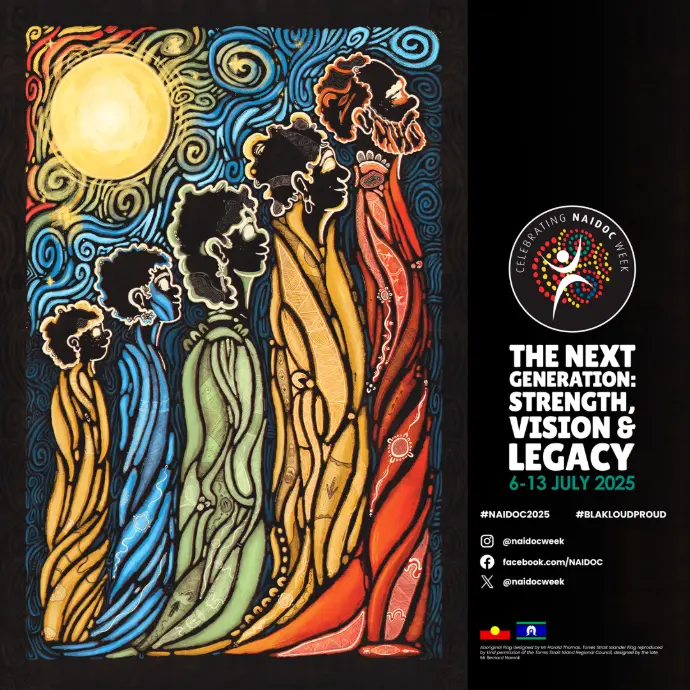
2025 NAIDOC Week Theme: The next generation: Strength, Vision & Legacy
This year marks 50 years of NAIDOC Week celebrations, and the 2025 theme The Next Generation: Strength, Vision & Legacy invites us to honour the past while nurturing a future led by empowered, culturally connected young people.
For educators, this is a powerful opportunity to engage children in inclusive learning experiences, build respectful relationships with local Aboriginal and Torres Strait Islander communities, and critically reflect on our role in shaping a more just and equitable future.
To support this work, our Practice Advisor Tara Hill has researched and compiled a thoughtful collection of NAIDOC Week resources. These have been gathered to help educators create meaningful, contextually relevant learning opportunities aligned with the National Quality Framework’s focus on cultural responsiveness and inclusion.
You can explore the full list of resources, ideas for learning experiences, and linked references in our latest blog:
👉 Read the blog: NAIDOC Week 2025 - Strength, Vision & Legacy
These resources also complement our Embedding First Nations Perspectives online course, providing a practical extension for educators committed to deepening their reflective practice and cultural responsibility year-round.
Who Are Aboriginal and Torres Strait Islander Peoples? | Historical Context | Cultural Awareness | How and Why to do an Acknowledgement of Country
Building respectful and reciprocal relationships with Indigenous Families and Communities | Embedding Aboriginal and Torres Strait Islander Perspectives in Practice
Reflective Practice and Your Role as an Educator, including Program and Curriculum Support
Who are Aboriginal and Torres Strait Islander Peoples?
Who are Aboriginal and Torres Strait Islanders?
Created by SBS Inclusion Program (2023), this short explainer offers a respectful and accessible introduction to the rich diversity of Aboriginal and Torres Strait Islander peoples, cultures, and histories. A helpful starting point for educators reflecting on their role in embedding First Nations perspectives with integrity.
🖤💛❤️ 💚🤍💙
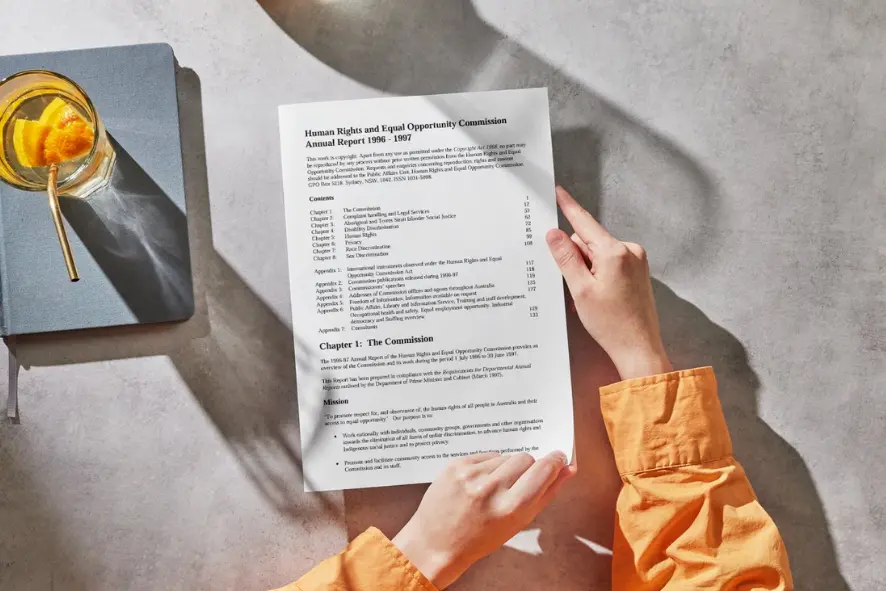
Human Rights and Equal Opportunity Commission Annual Report 1996 - 1997
This landmark report by the Australian Human Rights Commission documents the stories and experiences of the Stolen Generations - Aboriginal and Torres Strait Islander children forcibly removed from their families. It provides essential historical context for understanding intergenerational trauma and the importance of truth-telling in reconciliation.
🖤💛❤️ 💚🤍💙
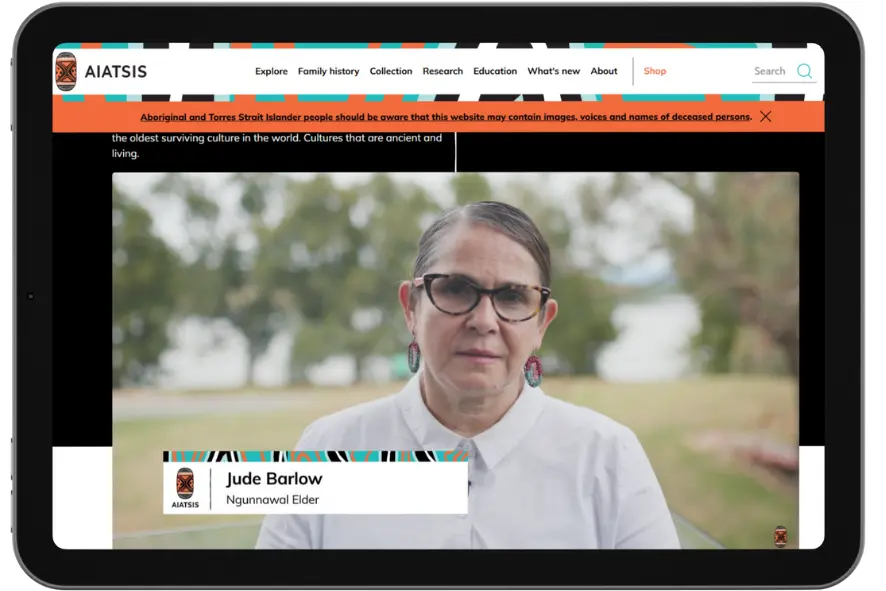
Explore Aboriginal and Torres Strait Islander Australia.
The Australian Institute of Aboriginal and Torres Strait Islander Studies (AIATSIS) offers this online gateway to explore the richness, diversity, and depth of First Nations cultures, languages, histories, and lived experiences. A trusted and culturally safe starting point for educators seeking to embed First Nations perspectives with respect and authenticity.
🖤💛❤️ 💚🤍💙
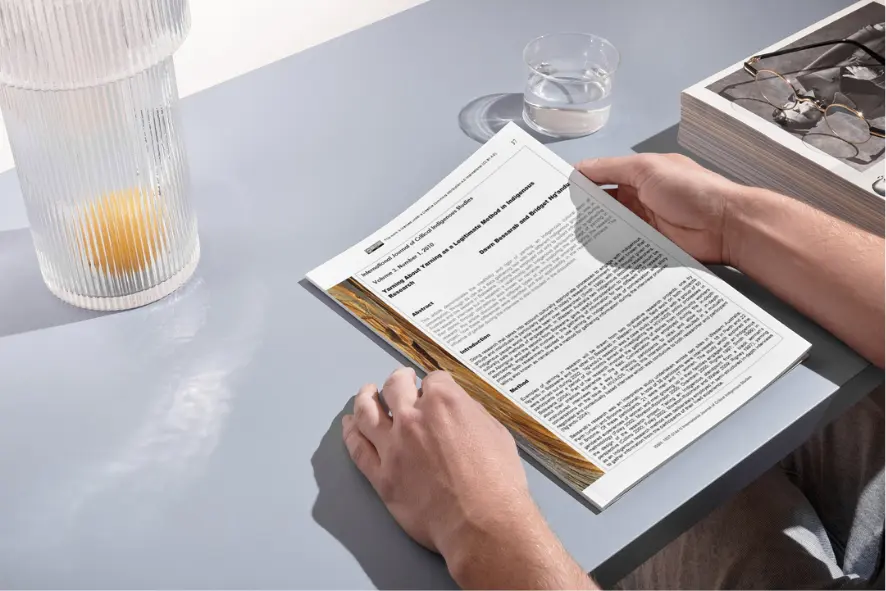
Yarning About Yarning
This article explores yarning as an Indigenous research method - centred on relationality, deep listening, and cultural protocol. It positions yarning not just as a conversational tool, but as a legitimate and rigorous methodology grounded in Aboriginal and Torres Strait Islander ways of knowing.
🖤💛❤️ 💚🤍💙
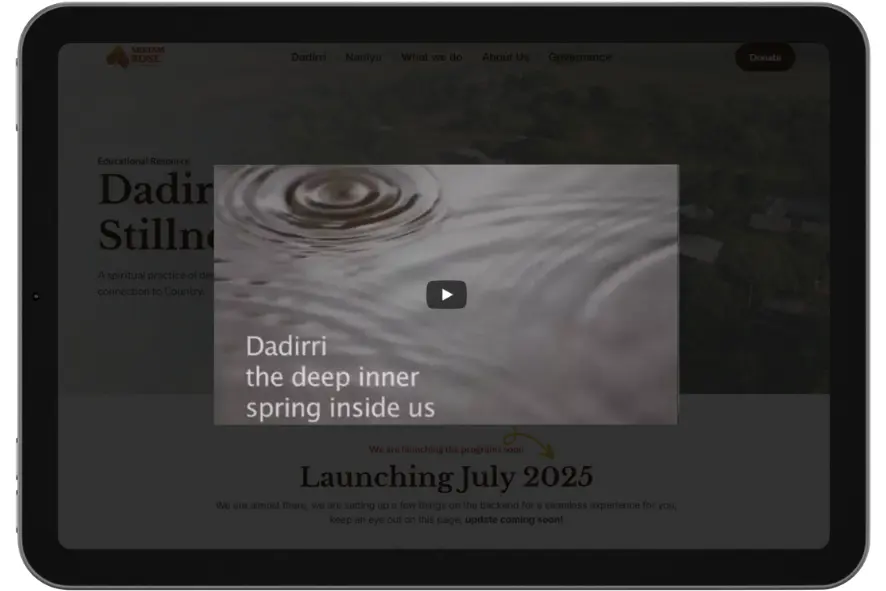
Dadirri: The Quiet Stillness Inside Us
Dadirri, a concept shared by Dr Miriam-Rose Ungunmerr, is a Ngan’gikurunggurr word that expresses the practice of deep inner listening, quiet still awareness, and respectful waiting. It invites us to be present, to truly listen - not just with our ears, but with our hearts.
🖤💛❤️
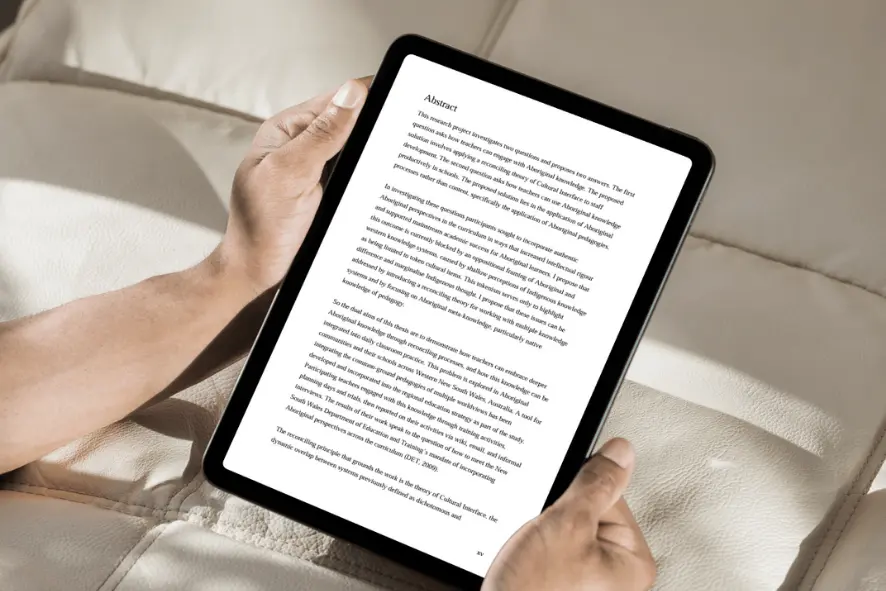
Aboriginal Pedagogies at the Cultural Interface
This influential thesis explores eight Aboriginal pedagogical practices and how they can be meaningfully integrated within mainstream education. Tyson Yunkaporta shares a framework grounded in Country, kinship, narrative, and deep listening - challenging educators to reflect on their own practice at the cultural interface.
🖤💛❤️
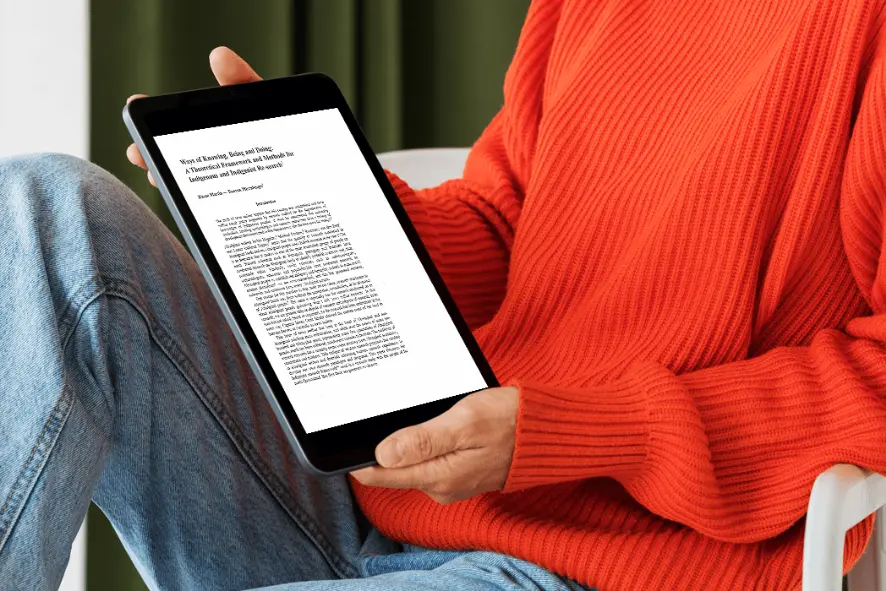
Ways of knowing, being and doing:
In this seminal paper, Dr Karen Martin presents a theoretical framework for Indigenous and Indigenist research based on relationality and respect. Drawing from her own Quandamooka worldview, Martin explores what it means to centre Aboriginal epistemologies, ontologies, and axiologies in research and teaching.
🖤💛❤️
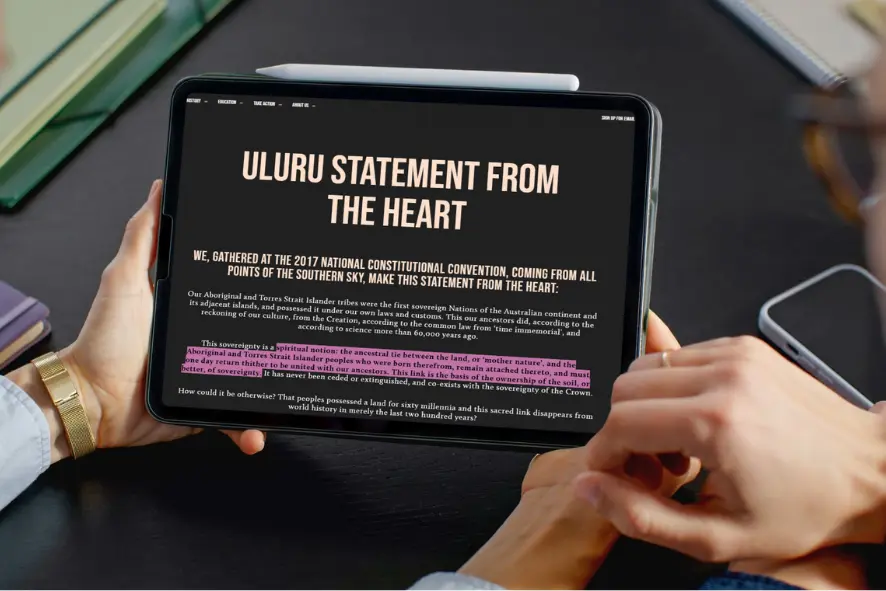
Uluru Statement of the Heart
The Uluru Statement from the Heart is an invitation to all Australians to walk together toward a better future. It calls for Voice, Treaty, and Truth as the foundation for a more just and united nation. Grounded in thousands of years of continuous culture, this statement is a powerful expression of First Nations sovereignty, dignity, and hope.
🖤💛❤️ 💚🤍💙
IndigenousX
IndigenousX is an independent Indigenous-owned and -operated media platform that amplifies diverse First Nations voices, stories, and perspectives. Founded by Luke Pearson, it offers articles, interviews, and commentary that challenge mainstream narratives and centre lived experience, truth-telling, and self-determination.
🖤💛❤️ 💚🤍💙
UN Declaration on the Rights of Indigenous Peoples
Adopted by the UN in 2007, this declaration affirms the individual and collective rights of Indigenous peoples globally - including rights to culture, identity, language, education, and self-determination. It provides a vital human rights framework that underpins respectful and inclusive practice.
🖤💛❤️ 💚🤍💙
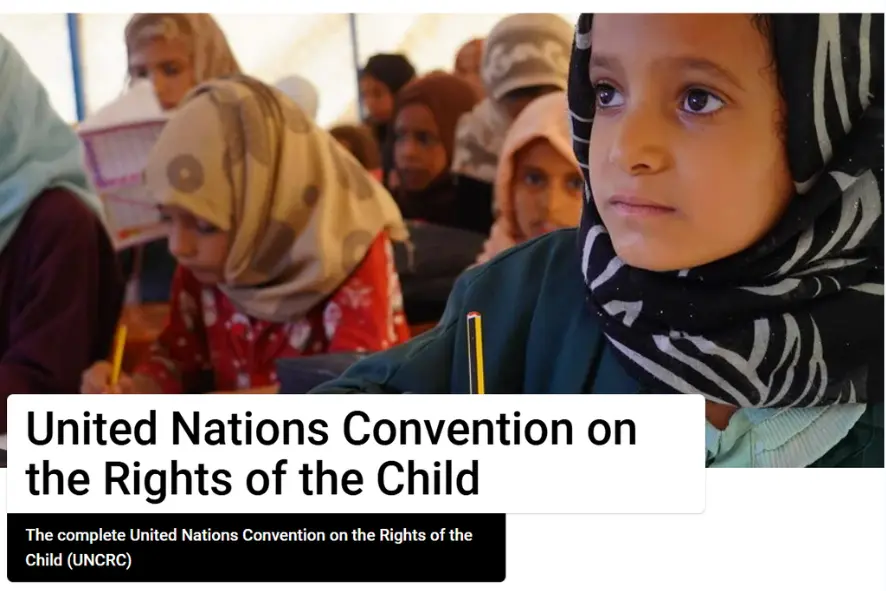
United Nations Convention on the Rights of the Child
The UNCRC outlines the civil, political, economic, social, and cultural rights of every child - everywhere. It recognises children as active participants in their lives, learning, and communities, and underpins rights-based education approaches. This UNICEF resource offers an accessible overview of the convention and its relevance to practice.
🖤💛❤️ 💚🤍💙
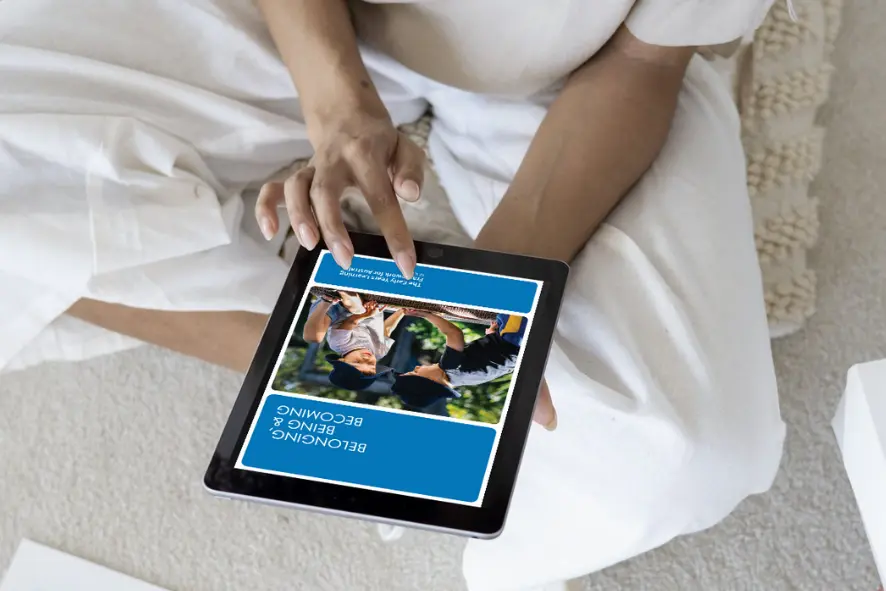
Early Years Learning Framework V2.0
This foundational document guides early childhood education in Australia. EYLF V2.0 strengthens commitments to Aboriginal and Torres Strait Islander perspectives, children’s rights, and inclusive, holistic learning. It promotes pedagogical practices grounded in relationships, cultural responsiveness, and equity.
🖤💛❤️ 💚🤍💙

My Time, Our Place Framework for School Aged Care V2.0
The updated national framework for school age care in Australia builds on core principles of wellbeing, learning through play, and relational pedagogy. MTOP V2.0 emphasises cultural responsiveness, child agency, and the ongoing commitment to embedding Aboriginal and Torres Strait Islander perspectives.
🖤💛❤️ 💚🤍💙
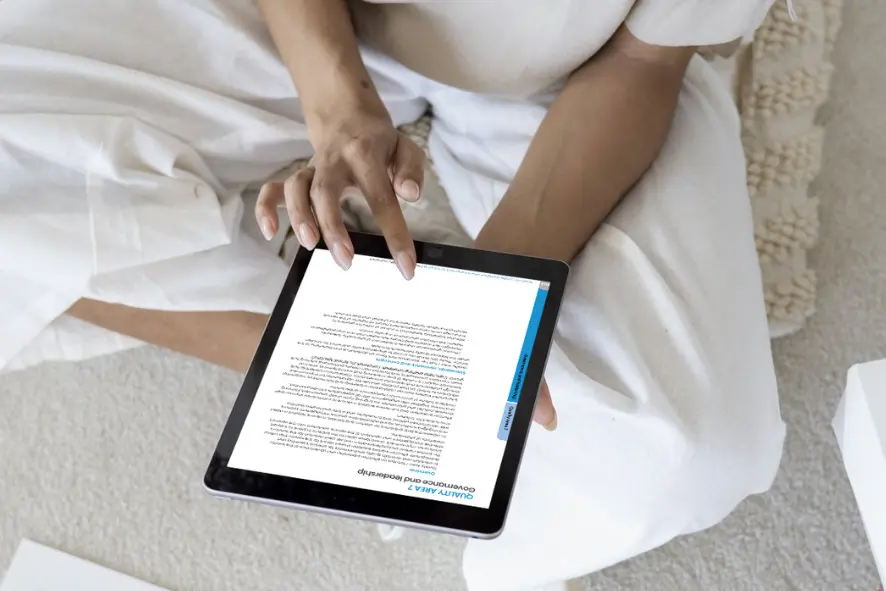
Quality Area 7: Governance and Leadership
Quality Area 7 of the National Quality Standard highlights the role of strong leadership, ethical governance, and continuous improvement in early childhood education and care. This section guides educators and leaders to reflect on how service philosophy, inclusive leadership, and collaborative decision-making contribute to a culturally safe and high-quality environment.
🖤💛❤️ 💚🤍💙

Victorian Early Years Learning and Development Framework (VEYLDF)
This foundational framework supports early years professionals across Victoria, guiding practice from birth to eight years. The VEYLDF affirms a strong commitment to children’s rights, Aboriginal and Torres Strait Islander perspectives, and inclusive, culturally responsive learning. It promotes pedagogy grounded in relationships, equity, and respect.
🖤💛❤️ 💚🤍💙
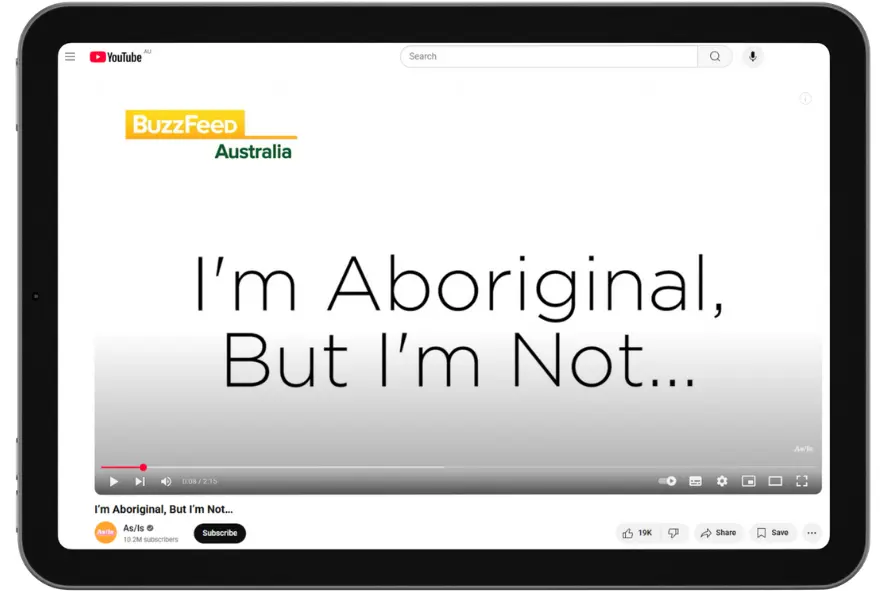
I'm Aboriginal. But I'm Not.
In this short but powerful video, young Aboriginal people share what culture, identity, and pride mean to them. It’s a celebration of strength, survival, and connection to the world’s oldest continuous culture. A moving resource that reminds educators of the power of voice, representation, and self-determination.
🖤💛❤️
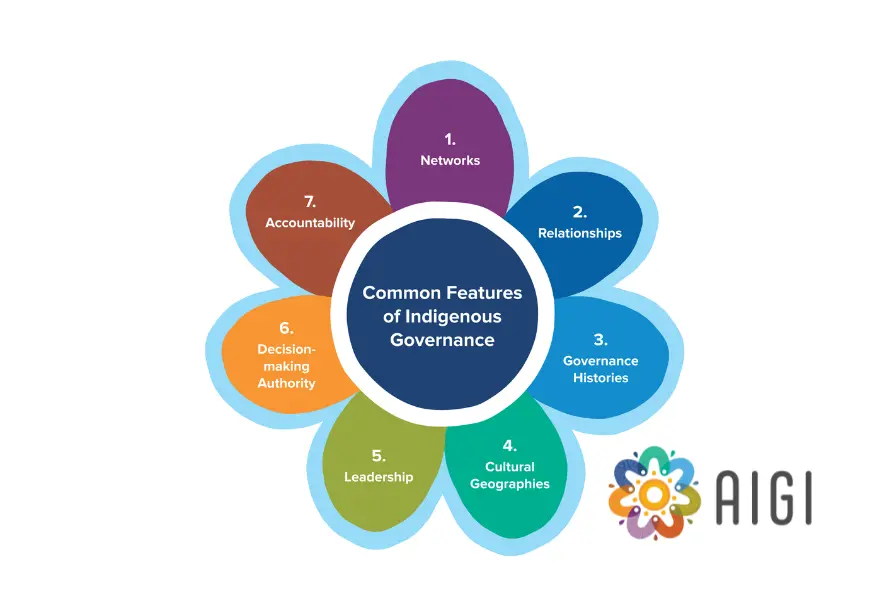
Indigenous Governance Toolkit
Developed by the Australian Indigenous Governance Institute, this toolkit supports communities and organisations to strengthen their own models of governance grounded in culture, Country, and community. It offers practical tools, videos, and case studies that honour First Nations leadership and decision-making practices.
🖤💛❤️ 💚🤍💙
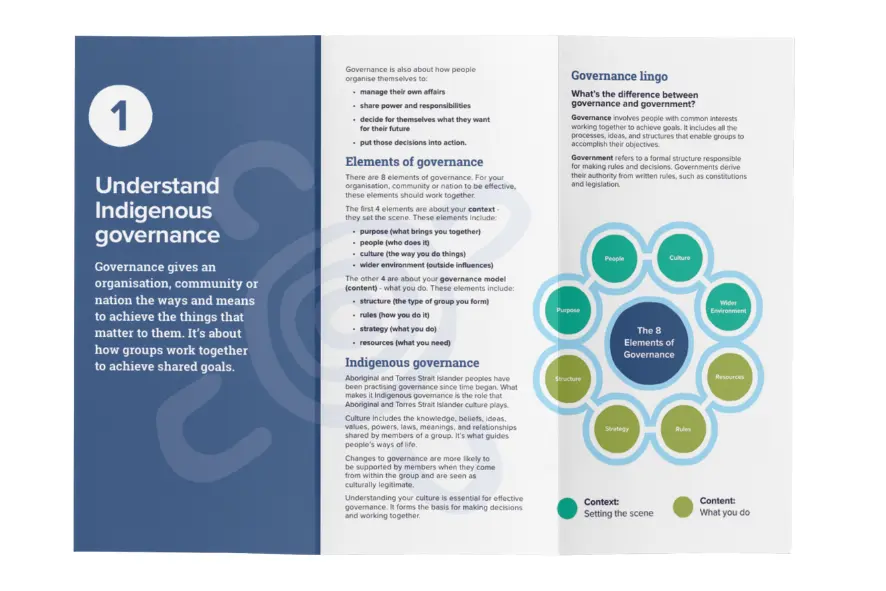
Understand Indigenous governance
This section introduces the foundations of Indigenous governance - centred on relationships, cultural legitimacy, collective decision-making, and connection to Country. It challenges Western assumptions and highlights the strengths of First Nations systems of governance, both past and present.
🖤💛❤️ 💚🤍💙
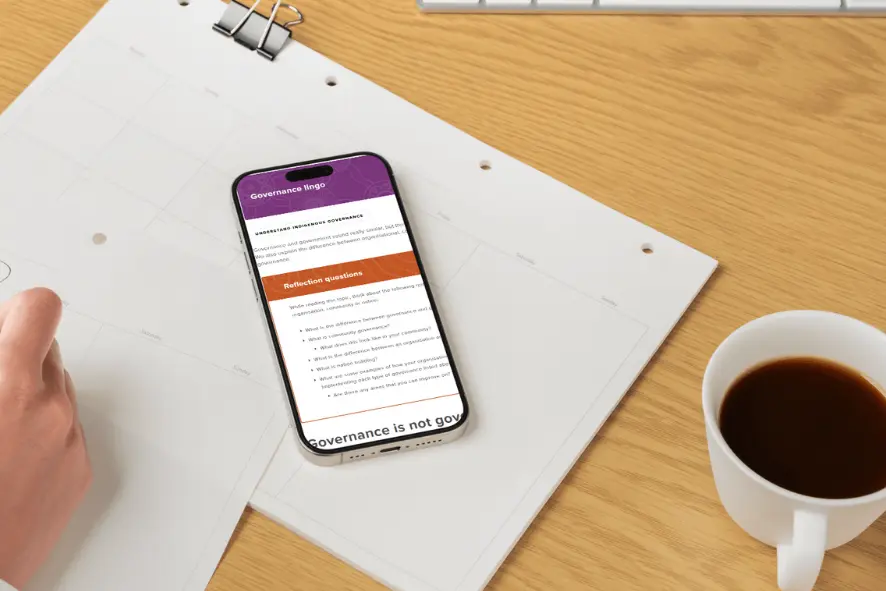
Governance lingo
This glossary breaks down commonly used terms in Indigenous governance, offering clear, culturally grounded definitions from a First Nations perspective. It’s a helpful tool for building shared understanding and respectful dialogue across communities, services, and leadership teams.
🖤💛❤️ 💚🤍💙
Indigenous Australians: Aboriginal and Torres Strait Islander peoples
This page offers a foundational overview of the diverse nations, cultures, and histories of Aboriginal and Torres Strait Islander peoples. It highlights the richness and complexity of First Nations identities, languages, and connections to Country.
🖤💛❤️ 💚🤍💙
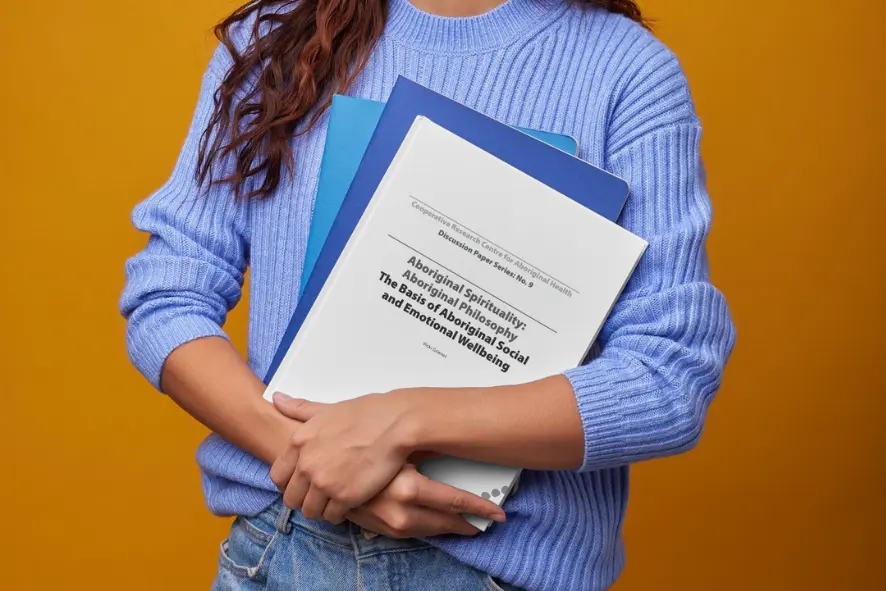
Aboriginal Spirituality: Aboriginal Philosophy The Basis of Aboriginal Social and Emotional Wellbeing
This discussion paper explores the spiritual and philosophical foundations of Aboriginal worldviews and their central role in social and emotional wellbeing. It challenges Western constructs of mental health and presents Indigenous perspectives grounded in interconnectedness, relationality, and holistic care.
🖤💛❤️
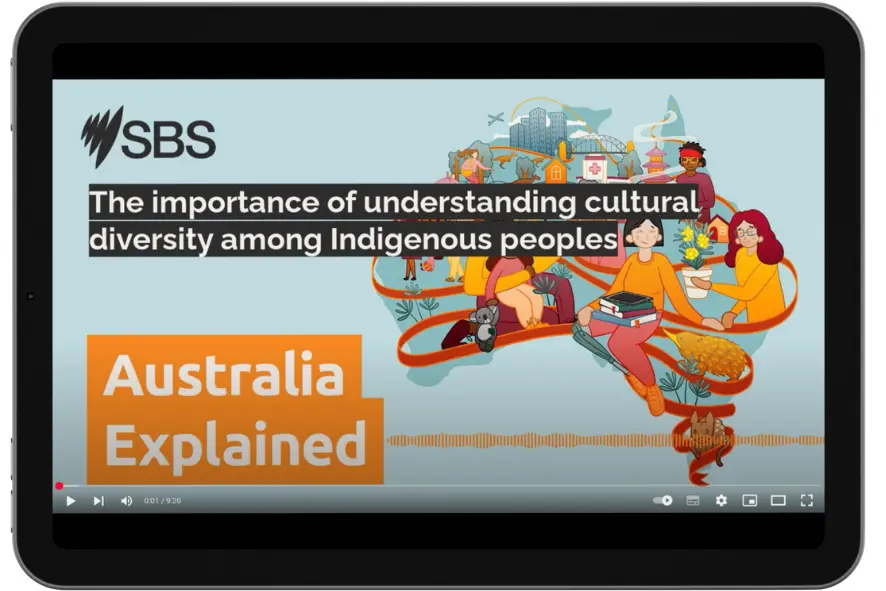
The importance of understanding cultural diversity among Indigenous Peoples
This video unpacks the vast cultural diversity that exists among Aboriginal and Torres Strait Islander peoples, highlighting the differences in language, Country, kinship systems, and cultural practices across over 250 First Nations.
🖤💛❤️ 💚🤍💙
NITV
NITV is a dedicated media platform that celebrates and amplifies Aboriginal and Torres Strait Islander voices through news, documentaries, storytelling, and cultural programming. It offers rich insights into contemporary and historical First Nations experiences, perspectives, and achievements.
🖤💛❤️ 💚🤍💙
NIT - National Indigenous Times
NIT is an independent news platform providing in-depth coverage of issues affecting Aboriginal and Torres Strait Islander peoples. From politics and land rights to community achievements and cultural events, it centres First Nations voices and perspectives often overlooked in mainstream media.
🖤💛❤️ 💚🤍💙
Koori Mail - The Voice of Indigenous Australia
100% Aboriginal-owned and proudly independent, Koori Mail is Australia’s national Indigenous newspaper. It shares stories by and for Aboriginal and Torres Strait Islander peoples, covering culture, achievements, community news, and current affairs.
🖤💛❤️ 💚🤍💙
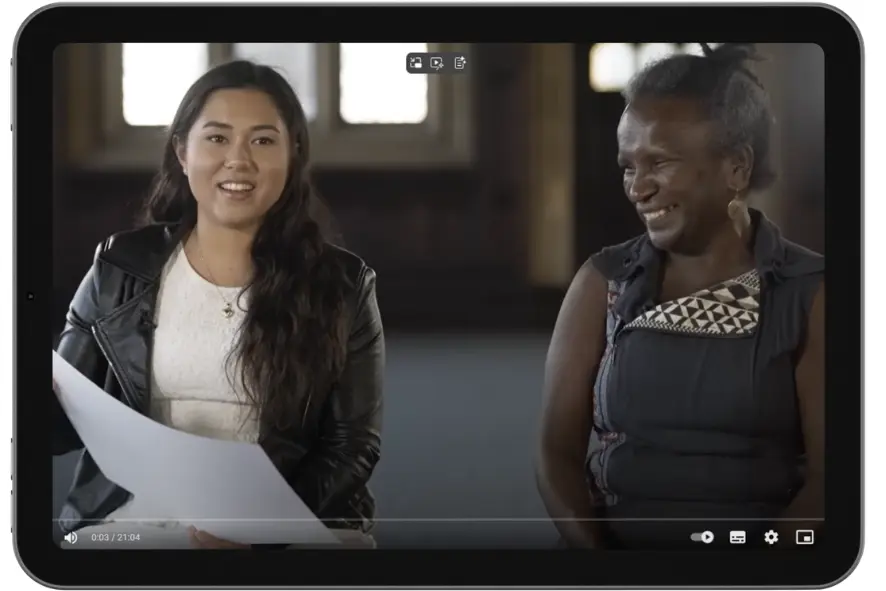
Ask Us Anything
In this powerful video, Aboriginal and Torres Strait Islander students and staff answer anonymously submitted questions to challenge common myths, stereotypes, and microaggressions - like “Is it ever OK to ask someone how Aboriginal they are?” The responses are honest, educational, and often deeply personal, fostering greater cultural understanding and respectful dialogue.
🖤💛❤️ 💚🤍💙
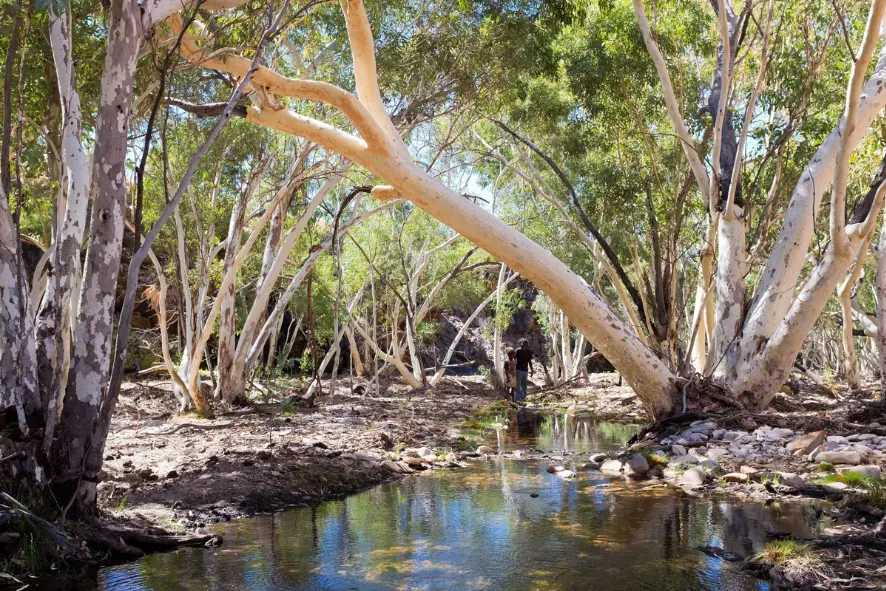
Diverse First Nations Identities
This article explores the diversity of Aboriginal and Torres Strait Islander identities across Australia. It highlights that there is no single First Nations identity - each Nation, Clan, and individual holds unique cultural knowledge, language, experiences, and expressions of identity. The piece powerfully dismantles stereotypes and reinforces the importance of listening to and learning from many voices.
🖤💛❤️ 💚🤍💙
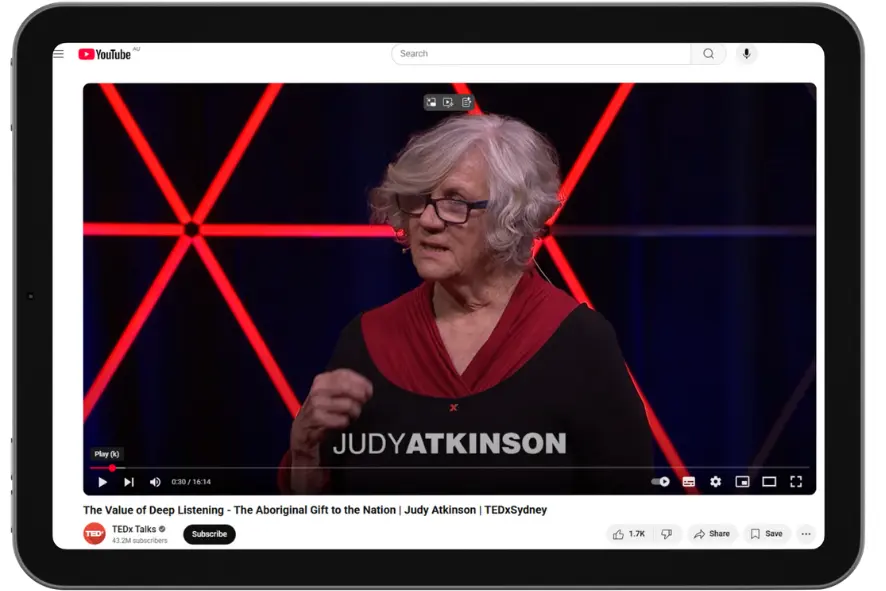
The Value of Deep Listening - The Aboriginal Gift to the Nation | Judy Atkinson
In this powerful TEDx talk, Emeritus Professor Judy Atkinson shares how deep listening - dadirri - is central to healing intergenerational trauma in Aboriginal and Torres Strait Islander communities. She invites us to listen to the stories behind the pain, and to honour the wisdom of quiet presence in relationships and recovery.
🖤💛❤️
Truth telling and historical context
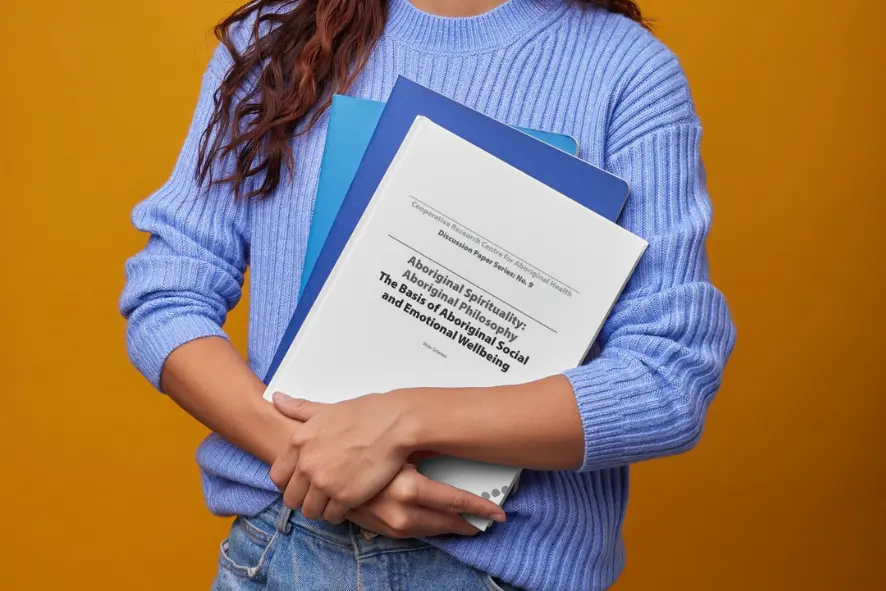
Aboriginal Spirituality: Aboriginal Philosophy The Basis of Aboriginal Social and Emotional Wellbeing
This discussion paper explores the spiritual and philosophical foundations of Aboriginal worldviews and their central role in social and emotional wellbeing. It challenges Western constructs of mental health and presents Indigenous perspectives grounded in interconnectedness, relationality, and holistic care.
🖤💛❤️
UN Declaration on the Rights of Indigenous Peoples
Adopted by the UN in 2007, this declaration affirms the individual and collective rights of Indigenous peoples globally - including rights to culture, identity, language, education, and self-determination. It provides a vital human rights framework that underpins respectful and inclusive practice.
🖤💛❤️ 💚🤍💙
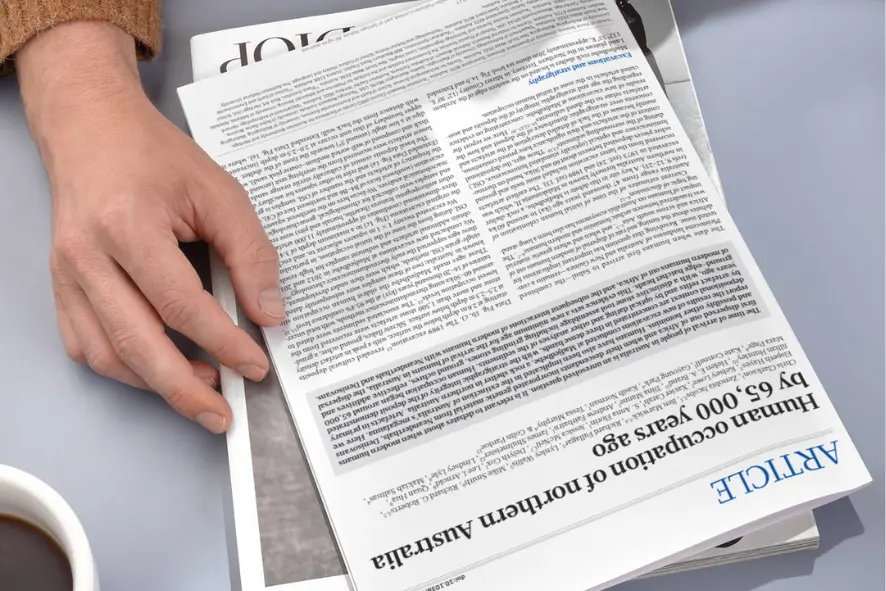
Human occupation of northern Australia by 65,000 years ago
This landmark archaeological study provides evidence that Aboriginal peoples have lived on the Australian continent for at least 65,000 years - making theirs the oldest continuous living culture on Earth. The research affirms deep-time connection to Country and challenges colonial narratives of history.
🖤💛❤️
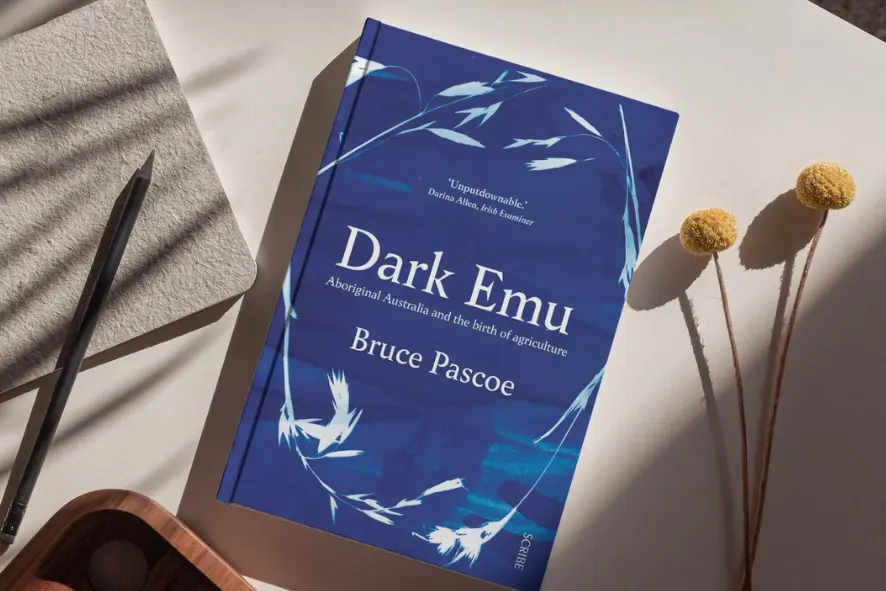
Dark Emu: Aboriginal Australia and the Birth of Agriculture
This book challenges Eurocentric historical accounts by exploring the rich ecological knowledge held by Aboriginal and Torres Strait Islander peoples long before European settlement. Olsen and Russell highlight how early colonists relied on - and often appropriated - this Indigenous knowledge of land, animals, and seasonal change.
🖤💛❤️
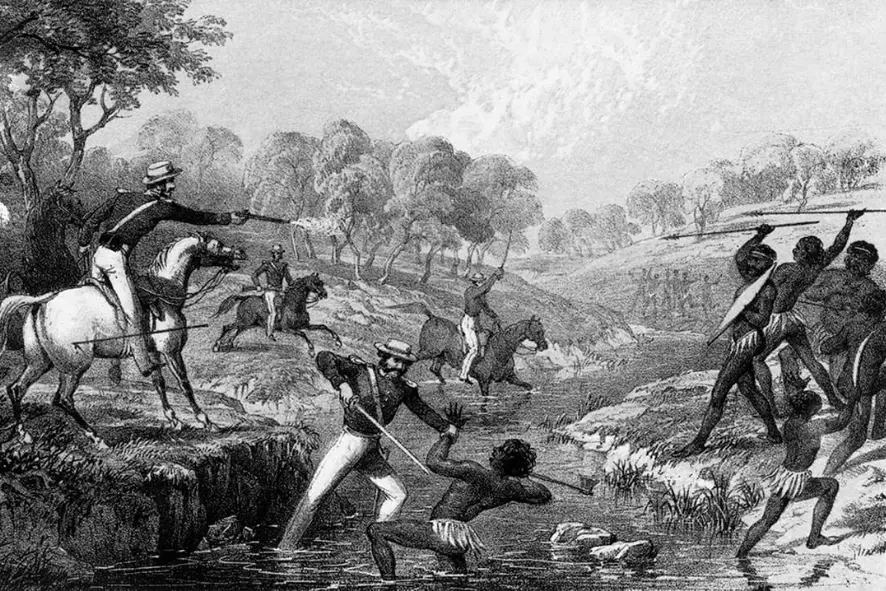
The ‘frontier wars’: Undoing the myth of the peaceful settlement of Australia
This article from Monash Lens explores Australia’s Frontier Wars, challenging the myth of peaceful colonisation. It highlights the widespread violence, resistance, and dispossession experienced by Aboriginal and Torres Strait Islander peoples during and after invasion.
🖤💛❤️ 💚🤍💙
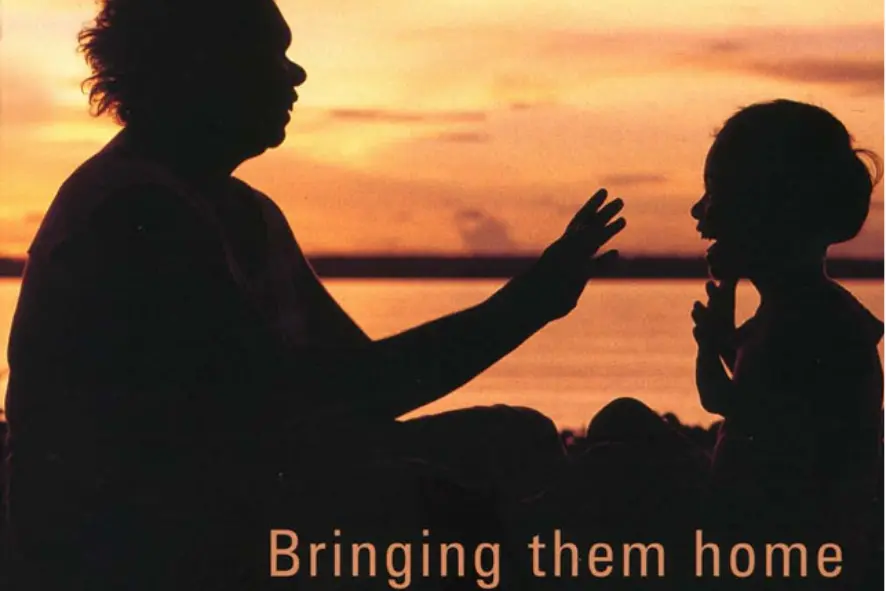
Bringing them Home Report (1997)
The Bringing Them Home report is the result of the National Inquiry into the Separation of Aboriginal and Torres Strait Islander Children from Their Families. It documents the devastating impact of the Stolen Generations and includes powerful testimonies from survivors.
🖤💛❤️ 💚🤍💙
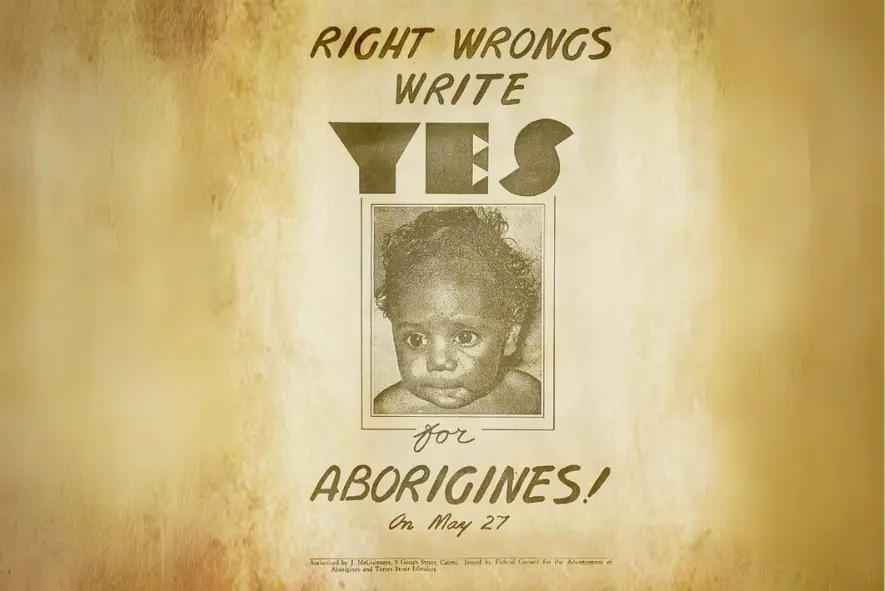
The 1967 Referendum
This resource explores the significance of the 1967 Referendum, when over 90% of Australians voted to amend the Constitution to include Aboriginal people in the census and allow the federal government to make laws for them. It marked a key moment in the long struggle for rights, recognition, and representation.
🖤💛❤️
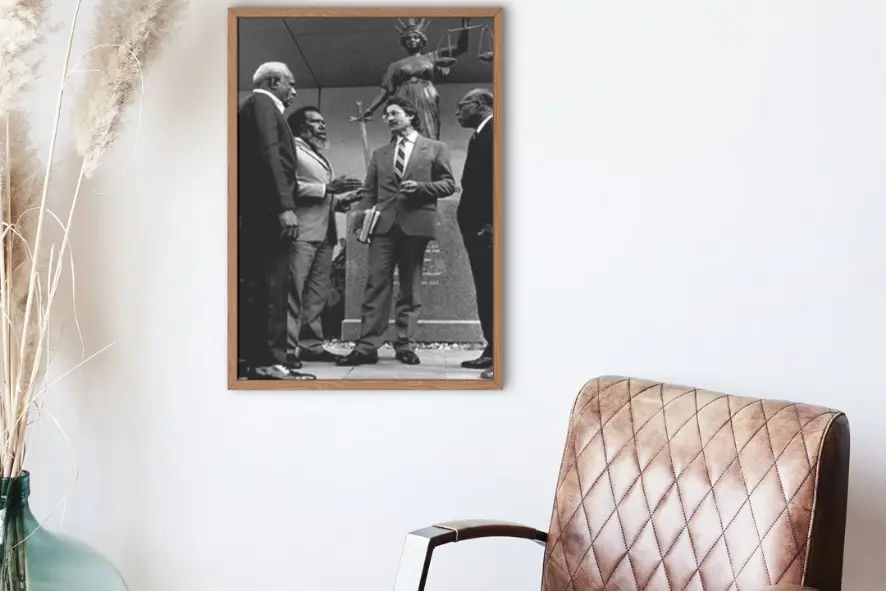
The Mabo Case
The 1992 Mabo decision by the High Court of Australia overturned the legal fiction of terra nullius and recognised Native Title for the first time. Led by Eddie Koiki Mabo and others, the case was a historic affirmation of the enduring connection between Aboriginal and Torres Strait Islander peoples and their lands.
🖤💛❤️ 💚🤍💙
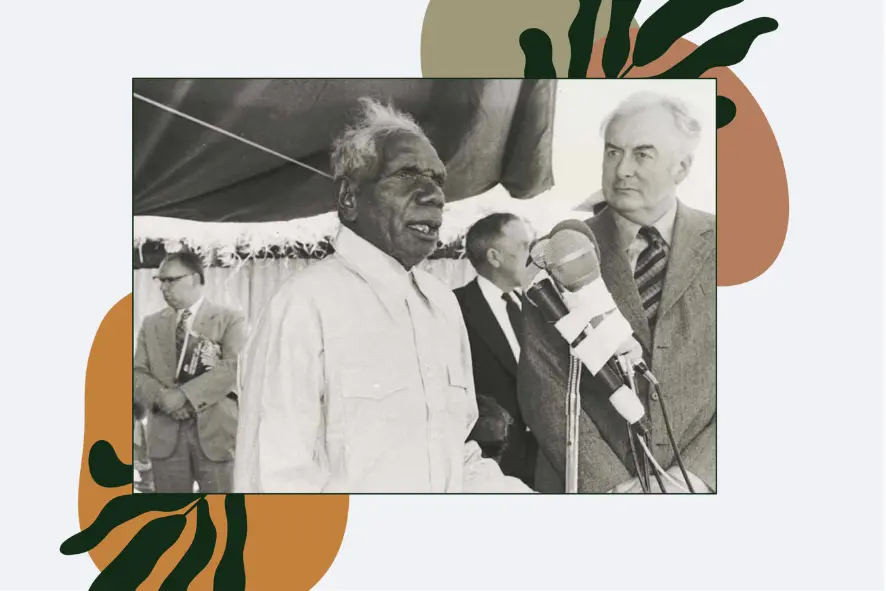
Wave Hill Walk-Off
In 1966, Gurindji stockmen and families walked off Wave Hill Station in protest against unfair wages and land dispossession. This powerful act of resistance, led by Vincent Lingiari, became a defining moment in the Aboriginal land rights movement.
🖤💛❤️
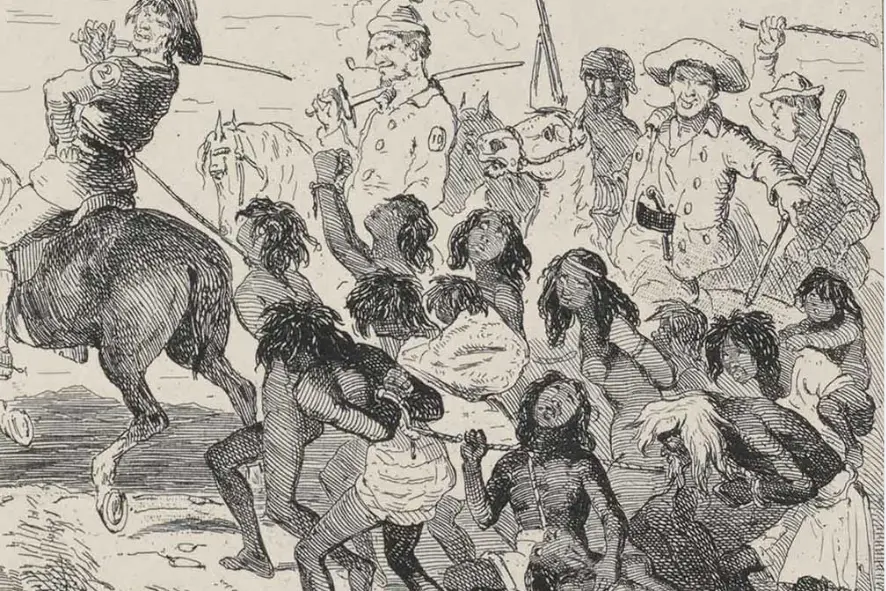
Myall Creek massacre
In 1838, at least 28 unarmed Aboriginal people were brutally killed at Myall Creek in one of the few massacres where perpetrators were arrested, tried, and some convicted. This defining moment sheds light on the violence of colonisation and the resistance to justice for Aboriginal lives.
🖤💛❤️
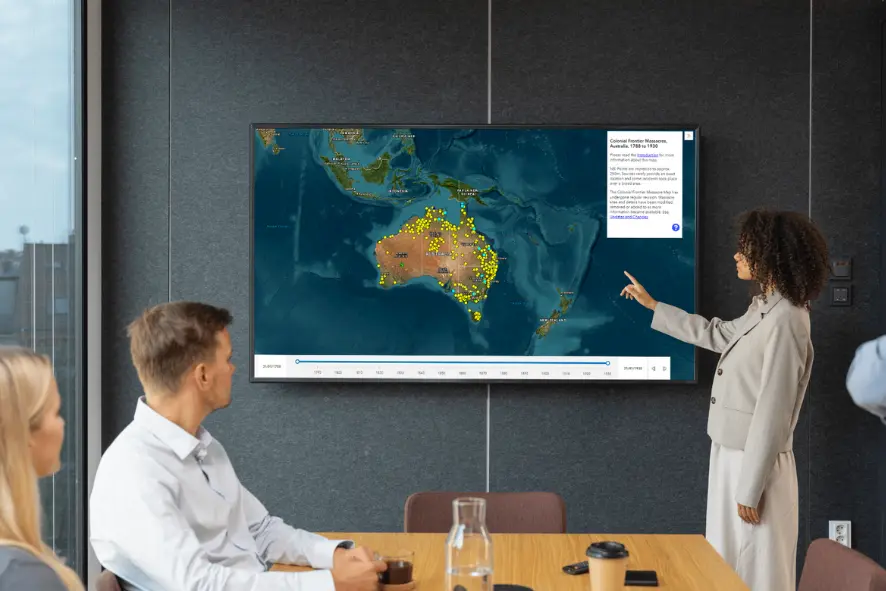
Colonial Frontier Massacres, Australia, 1788 to 1930
This interactive digital map documents the sites, dates, and details of massacres of Aboriginal and Torres Strait Islander peoples during the colonial frontier period. Based on rigorous research, it offers a stark visual representation of the scale and systemic nature of violence during colonisation.
🖤💛❤️ 💚🤍💙
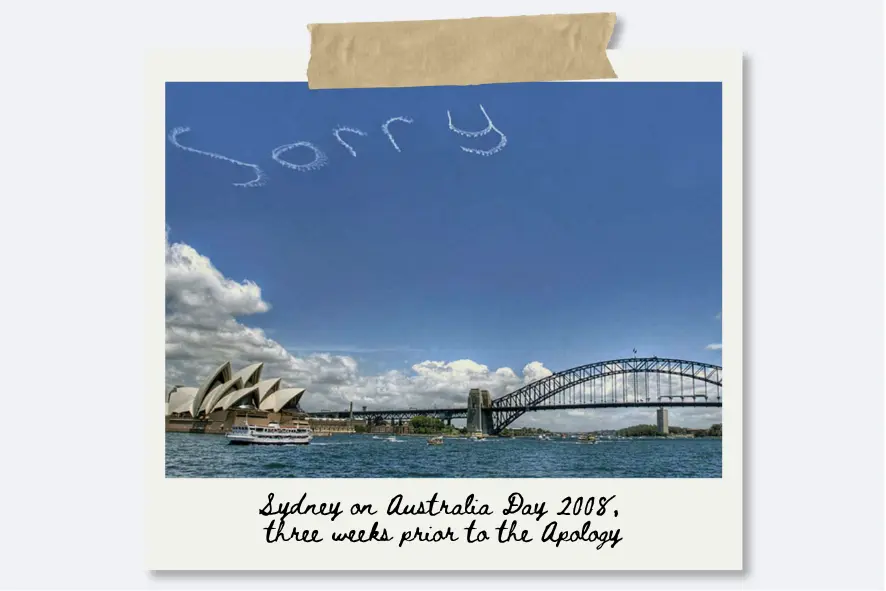
National Apology
On 13 February 2008, then Prime Minister Kevin Rudd formally apologised to the Stolen Generations and all Aboriginal and Torres Strait Islander peoples for the profound grief, loss, and injustice caused by past government policies. This moment marked a step toward national healing and truth-telling.
🖤💛❤️ 💚🤍💙

A Look Inside the Heartbreaking Story of the 'Stolen Generation'
In this episode, direct descendants of the Stolen Generations share their family histories, lived experiences, and reflections on intergenerational trauma and resilience. Their voices offer a powerful and personal perspective on the enduring impacts of forced removal policies in Australia.
🖤💛❤️ 💚🤍💙
Telling Our Stories - Our Stolen Generations (Aunty Julie Black)
In this deeply moving video, Barkindji Elder Aunty Julie Black shares her lived experience as a survivor of the Stolen Generations. Taken from her mother shortly after birth, Aunty Julie’s story is one of profound loss, resilience, and truth.
🖤💛❤️
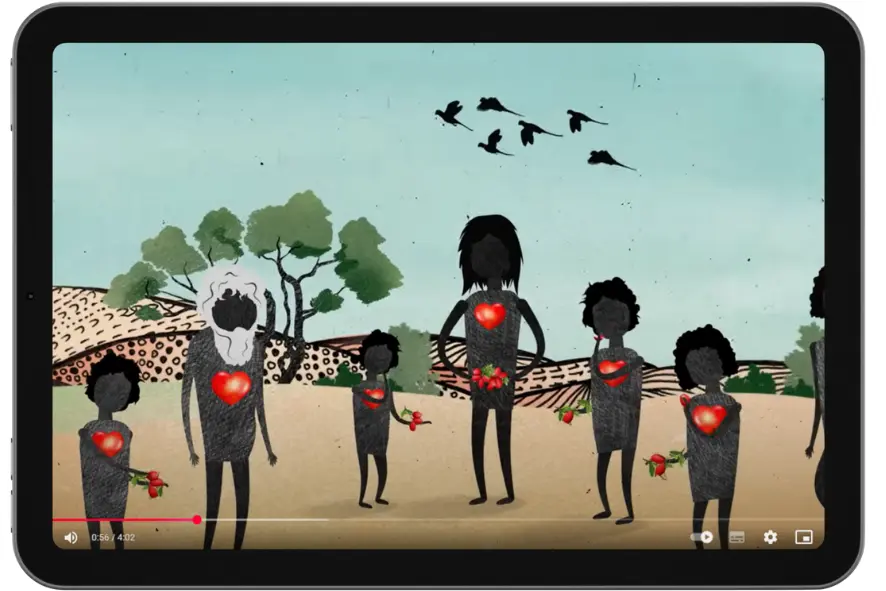
Intergenerational Trauma as told by The Healing Foundation
This video from the Healing Foundation explains how trauma, when left unhealed, can be passed down through generations - impacting attachment, emotional development, and cultural connection. In Australia, this is especially relevant for the descendants of the Stolen Generations.
🖤💛❤️ 💚🤍💙
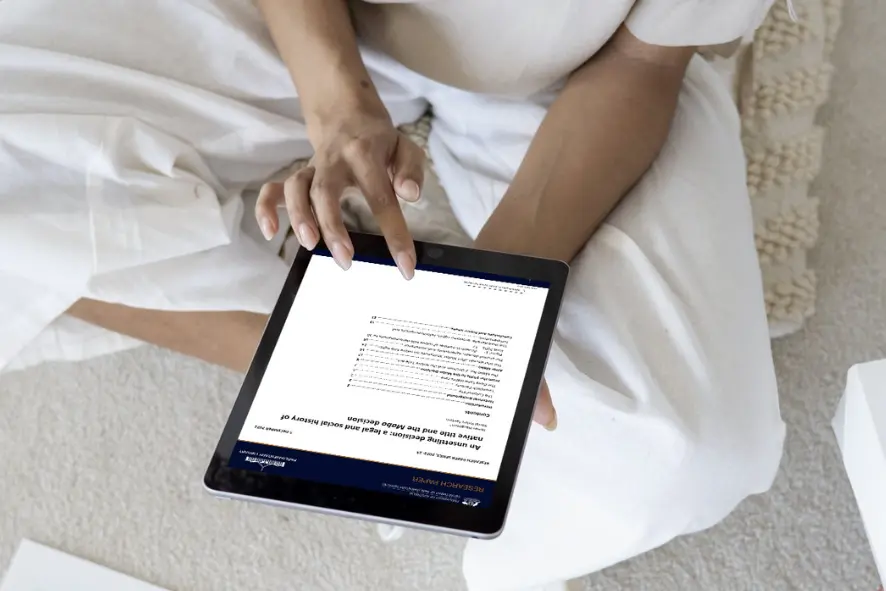
An unsettling decision: a legal and social history of native title and the Mabo decision
Prepared by the Australian Parliamentary Library to mark the 30th anniversary of Mabo (No. 2), this paper explores the legal, historical, and social significance of the decision that overturned terra nullius and recognised Native Title. It traces the case’s legacy, legal developments since 1992, and ongoing challenges in land justice.
🖤💛❤️ 💚🤍💙
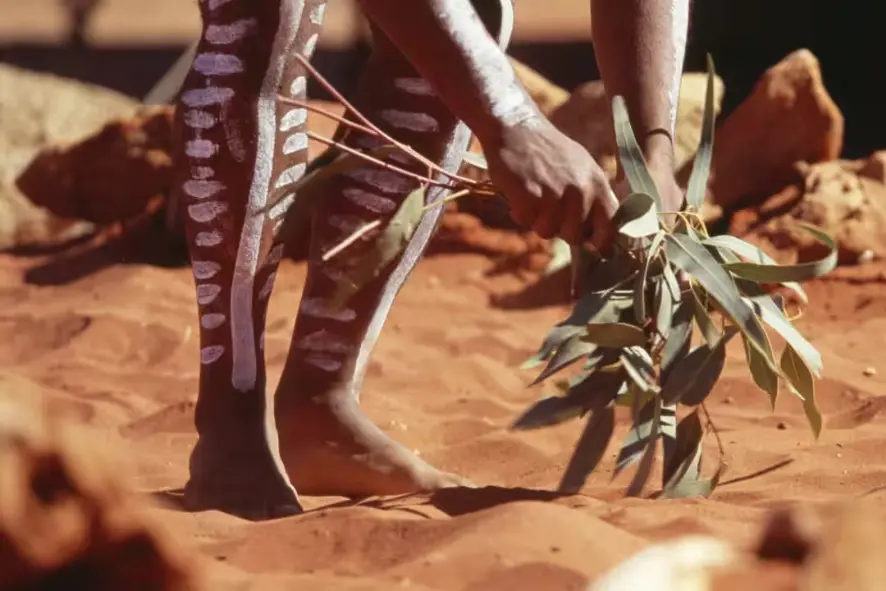
Thirty years ago the Native Title Act was passed. But what is it, how does it work and is it enough?
This article reflects on the legacy of the Native Title Act, thirty years after its passage in response to the Mabo decision. It examines progress made, ongoing limitations, and the lived realities for many Aboriginal and Torres Strait Islander communities still fighting for recognition and justice.
🖤💛❤️ 💚🤍💙
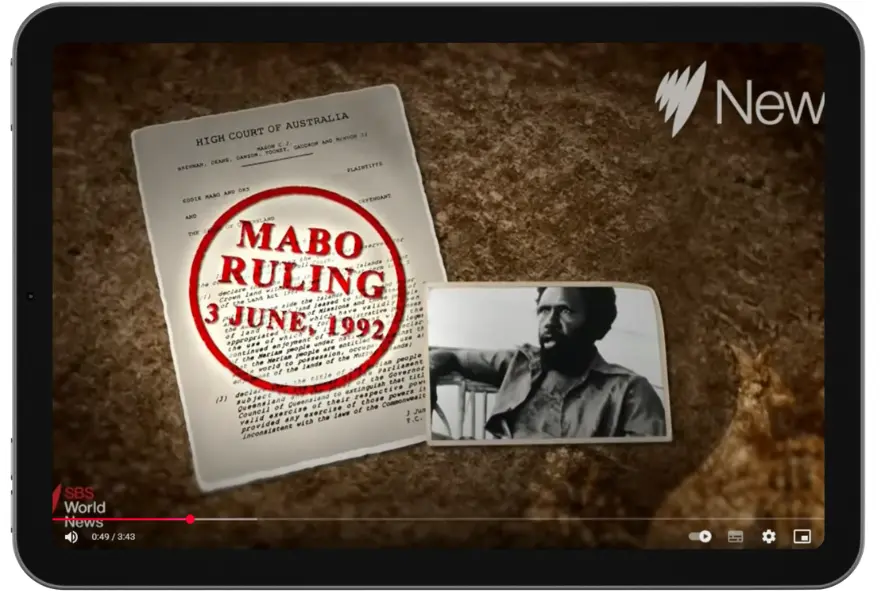
Eddie Mabo remembered as the father of Native Title
This SBS News segment honours Eddie Koiki Mabo, whose tireless advocacy led to the 1992 High Court decision recognising Native Title and overturning terra nullius. A proud Torres Strait Islander, Mabo’s legacy continues to shape land justice and truth-telling in Australia.
💚🤍💙
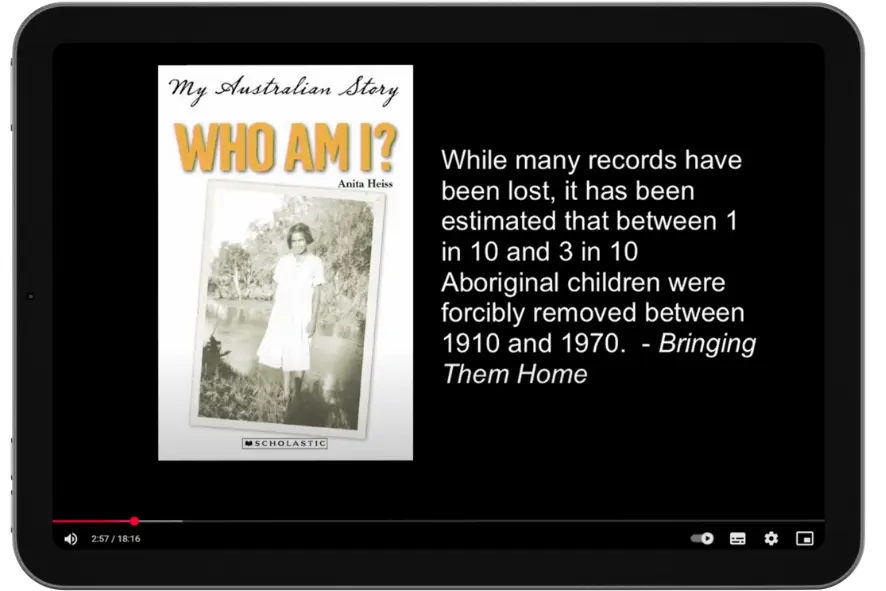
Dr Anita Heiss
In this compelling TEDx talk, Wiradjuri author and academic Dr Anita Heiss explores the limitations of seeing sameness as a path to unity. She challenges viewers to embrace cultural diversity, self-determination, and the richness of Aboriginal identity.
A powerful reflection on belonging, representation, and the need for genuine inclusion
🖤💛❤️
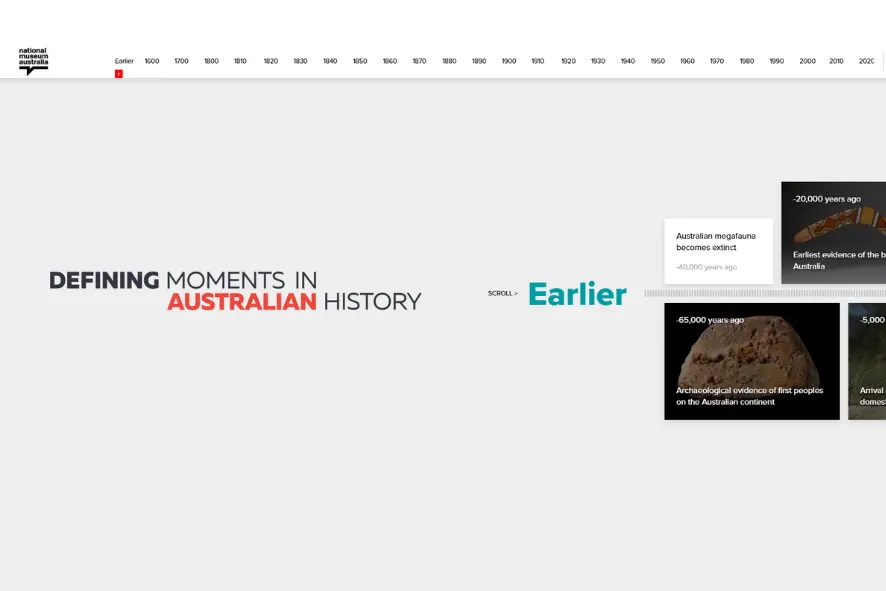
Defining Moments Timeline - National Museum of Australia
This interactive timeline highlights key events that have shaped Australia’s social, political, and cultural landscape - from colonisation and the Frontier Wars to the Uluru Statement and beyond. It includes milestones contributed by historians and the public, offering a broad and inclusive perspective on the nation's history.
🖤💛❤️ 💚🤍💙
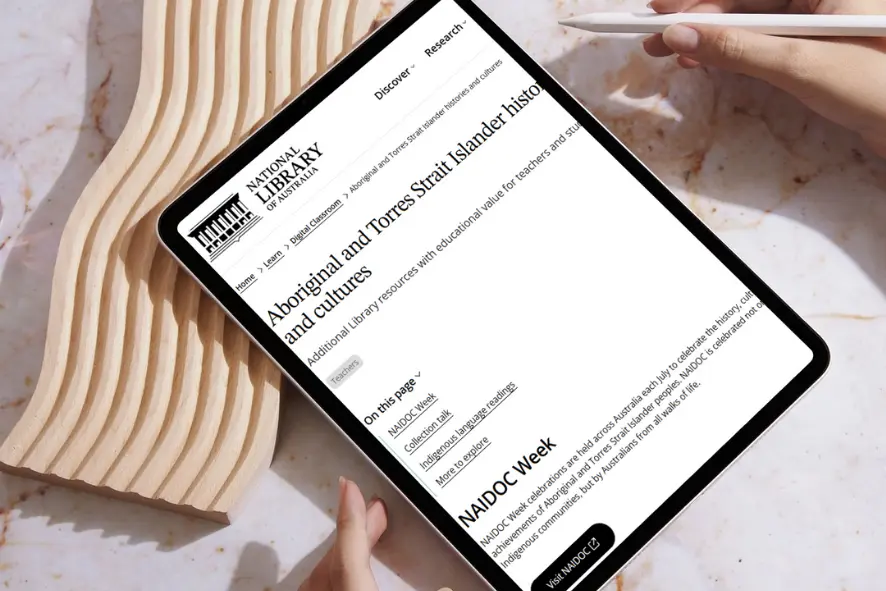
Digital Classroom: Aboriginal and Torres Strait Islander Histories and Cultures
This educational hub from the National Library of Australia offers primary sources, classroom activities, and curated learning pathways that support respectful engagement with Aboriginal and Torres Strait Islander histories and cultures.
🖤💛❤️ 💚🤍💙
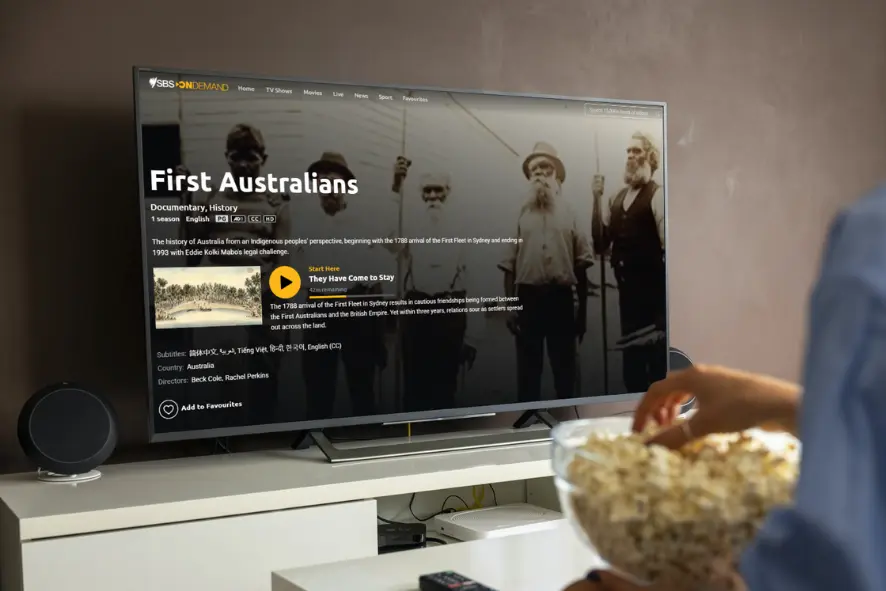
First Australians (SBS Documentary Series)
This acclaimed documentary series shares the history of Australia from the perspective of its First Peoples. Spanning over 50,000 years to the present, First Australians weaves together personal stories, archival footage, and expert insights to reveal the resilience, survival, and strength of Aboriginal and Torres Strait Islander peoples across centuries of colonisation.
🖤💛❤️ 💚🤍💙
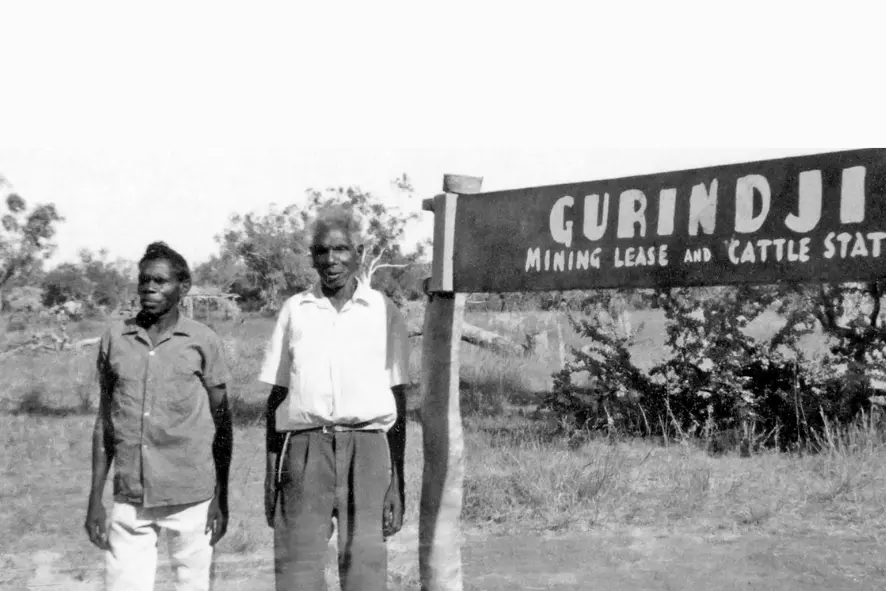
Our Land is Our Life - Central Land Council Oral Histories
The Central Land Council shares the story of Aboriginal land rights advocacy in Central Australia, from the early grassroots movements through to landmark legal and political achievements. This page highlights the courage, leadership, and collective action of Aboriginal communities working to reclaim and care for Country.
🖤💛❤️
The Value of Deep Listening - The Aboriginal Gift to the Nation | Judy Atkinson
In this powerful TEDx talk, Emeritus Professor Judy Atkinson shares how deep listening - dadirri - is central to healing intergenerational trauma in Aboriginal and Torres Strait Islander communities. She invites us to listen to the stories behind the pain, and to honour the wisdom of quiet presence in relationships and recovery.
🖤💛❤️
The Healing Foundation
The Healing Foundation is a national Aboriginal and Torres Strait Islander organisation supporting trauma-aware, culturally strong healing for Stolen Generations survivors and their families. Their free Stolen Generations Resource Kit, developed in close collaboration with survivors, offers a powerful collection of online tools for educators and communities. It promotes truth-telling, respectful engagement with history, and community-led recovery grounded in dignity and cultural strength.
🖤💛❤️ 💚🤍💙
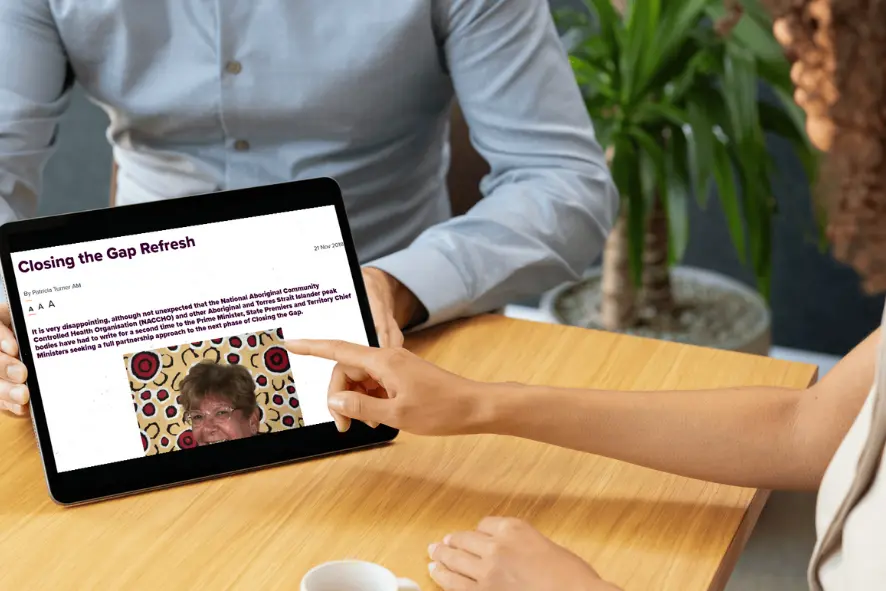
Closing the Gap Refresh
This article critically examines the Closing the Gap agenda from a First Nations perspective, questioning whether the 2018 “refresh” meaningfully addressed the structural inequalities it aimed to fix - or merely repackaged old approaches. It challenges policymakers and the public to reflect on power, accountability, and genuine self-determination.
🖤💛❤️ 💚🤍💙
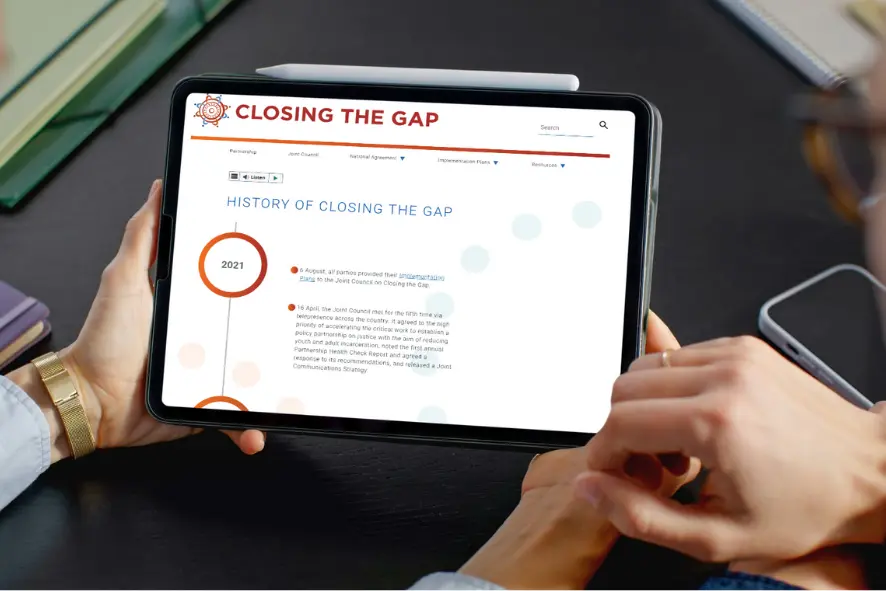
History of Closing the Gap
This resource outlines the origins and evolution of the Closing the Gap framework, first established in 2008 to address health, education, and socio-economic disparities experienced by Aboriginal and Torres Strait Islander peoples. It details key agreements, milestones, and the shift towards community-led targets through the 2020 National Agreement.
🖤💛❤️ 💚🤍💙
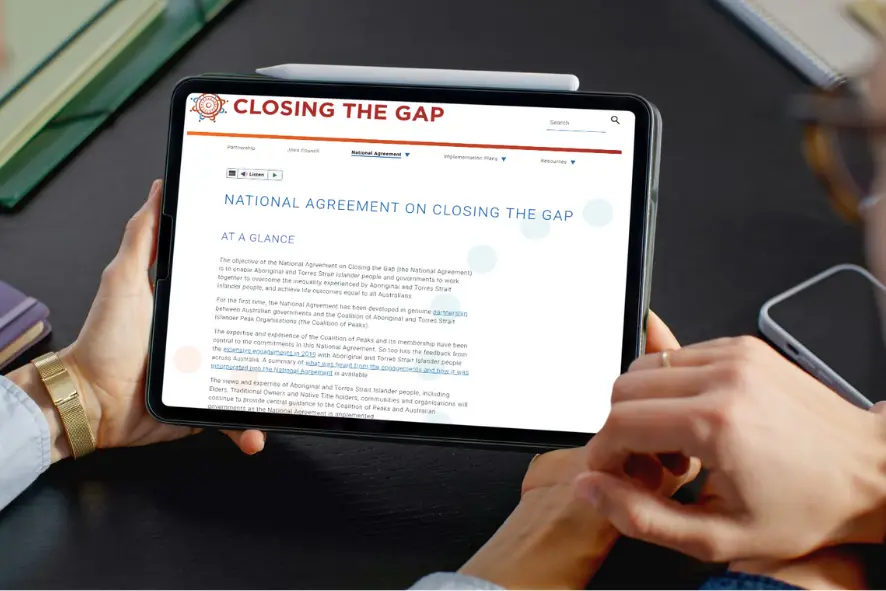
National Agreement on Closing the Gap - At a Glance
The 2020 National Agreement represents a new partnership between governments and Aboriginal and Torres Strait Islander representatives. It centres four Priority Reforms - shared decision-making, building community-controlled sectors, transforming government institutions, and improving data and accountability.
🖤💛❤️ 💚🤍💙
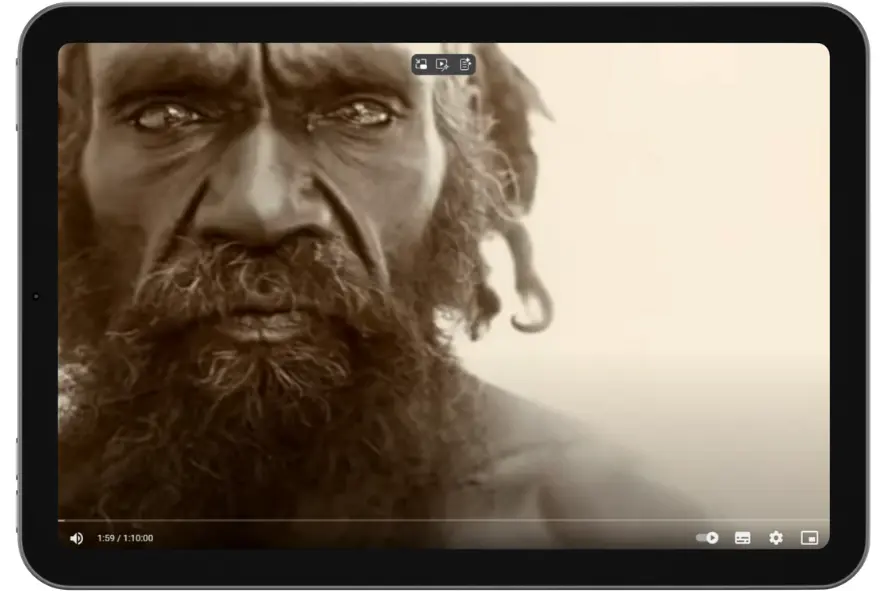
First Australians They Have Come To Stay Episode 1 Aboriginal Documentary
This opening episode of the acclaimed documentary series First Australians traces the early encounters between Aboriginal peoples and British colonists. It explores the profound impact of colonisation on land, culture, and sovereignty, foregrounding Aboriginal voices and historical truths often omitted from mainstream narratives.
🖤💛❤️
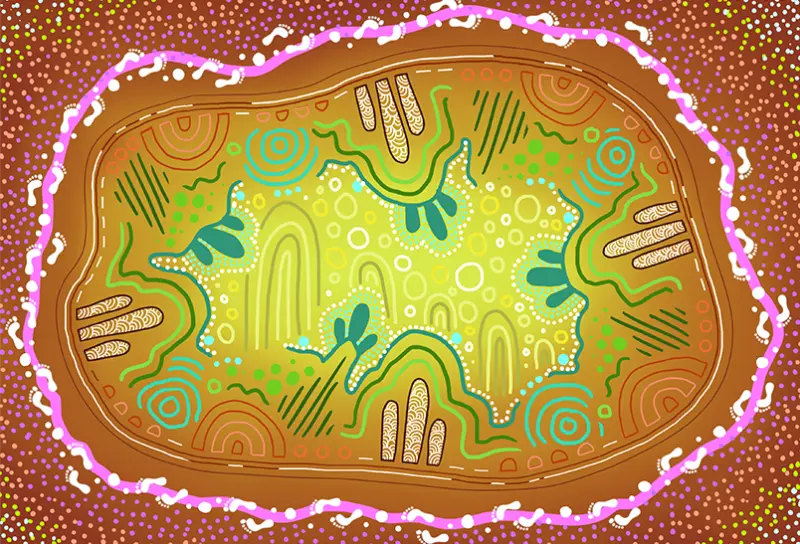
Early Childhood Care and Development Policy Partnership - SNAICC & Closing the Gap
This initiative, led by SNAICC – National Voice for our Children, works in genuine partnership with governments to shape early childhood policies that support Aboriginal and Torres Strait Islander children. Grounded in community voice and cultural knowledge, the partnership advocates for transformative change in early learning, family support, and child development.
🖤💛❤️ 💚🤍💙
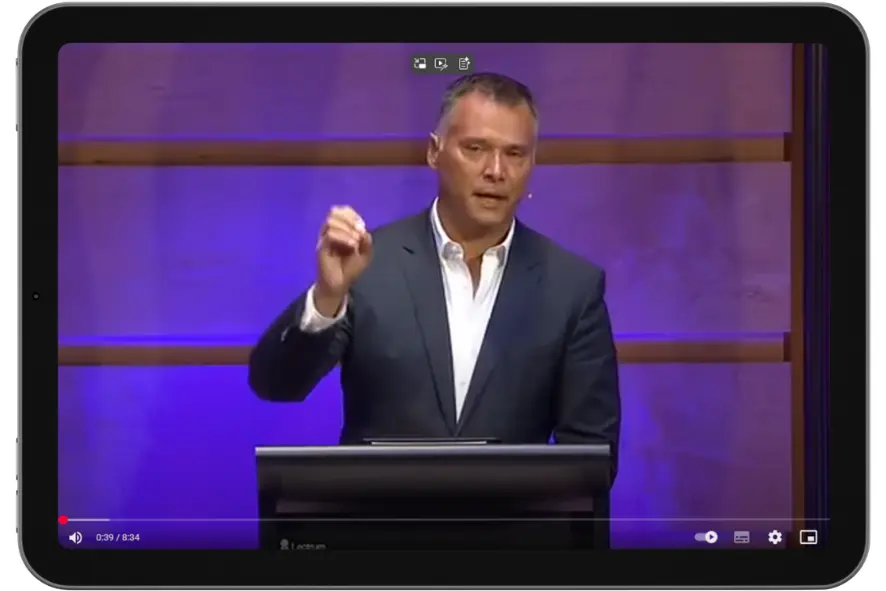
Stan Grant: "My People Die Young in This Country"
In this deeply moving speech, journalist Stan Grant speaks truth to power about the lived reality of racism, injustice, and resilience for Aboriginal people in Australia. Delivered during the IQ2 debate in 2015, his words are raw, urgent, and necessary - challenging viewers to reckon with the legacy of colonisation and to imagine a more just, reconciled future.
🖤💛❤️
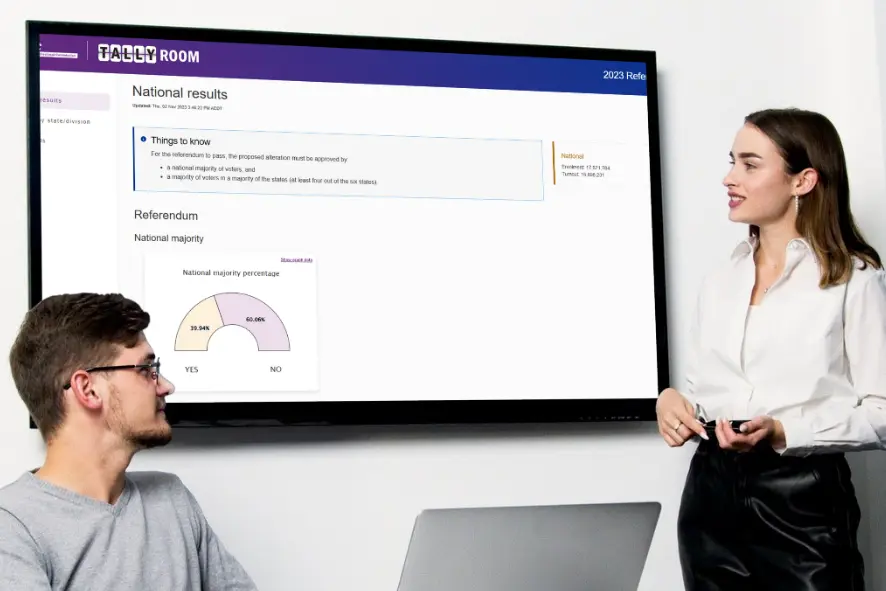
2023 Referendum National Results – Australian Electoral Commission (AEC)
This official AEC page provides the final national results of the 2023 referendum on constitutional recognition and a Voice to Parliament for Aboriginal and Torres Strait Islander peoples. The data includes national and state-by-state voting outcomes and highlights the importance of informed civic engagement, respectful dialogue, and ongoing advocacy.
🖤💛❤️ 💚🤍💙
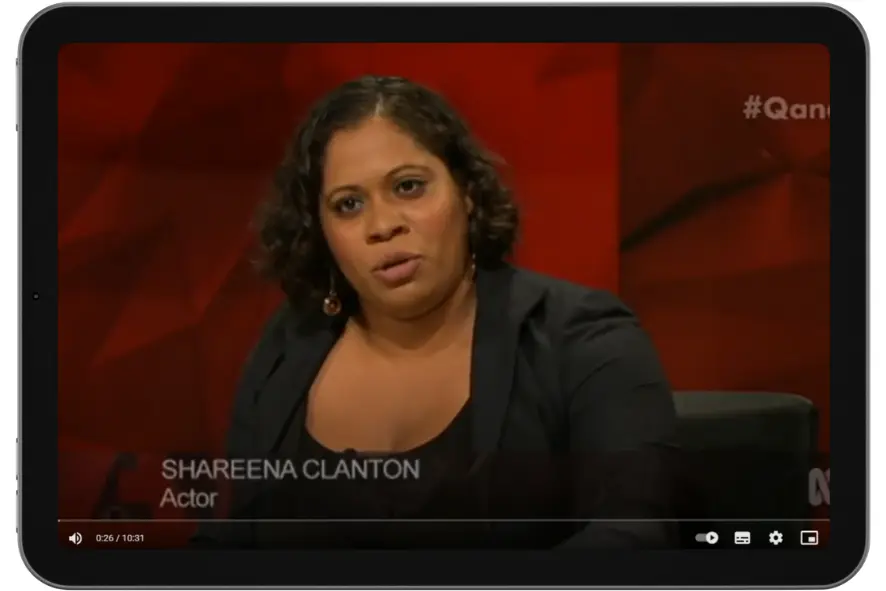
Shareena Clanton: “We Want to Be the Author of Our Own Destinies” – Q&A (ABC News)
Actor and advocate Shareena Clanton delivers a heartfelt and forceful message on ABC’s Q&A, calling for an end to the politicisation of Aboriginal and Torres Strait Islander lives. Her plea centres on self-determination, respect, and justice - urging major parties to stop using First Nations peoples as political pawns and instead listen to community voices.
🖤💛❤️ 💚🤍💙
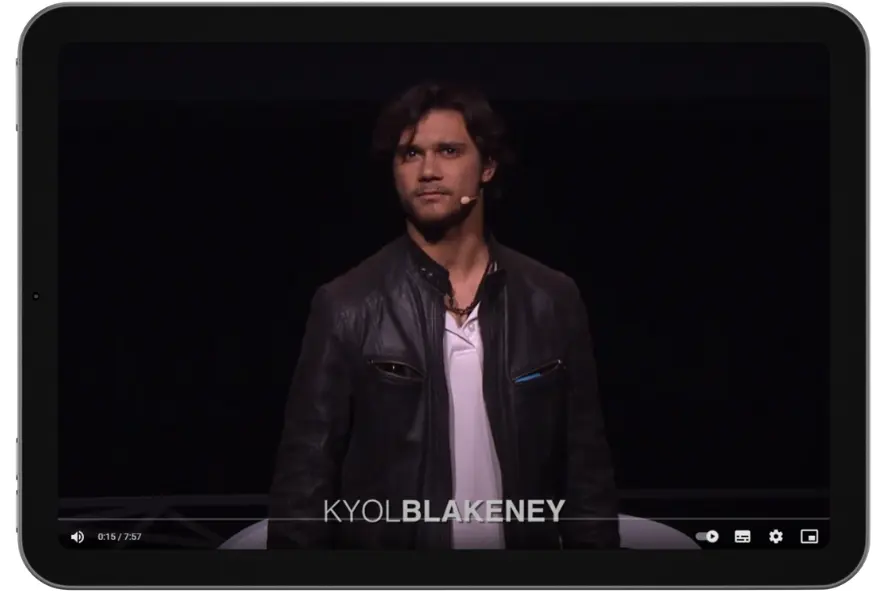
Understanding Systematic Oppression and Institutionalised Racism | Kyol Blakeney
In this powerful talk, Kyol Blakeney, Aboriginal rights activist and student leader, explores the long-standing structures of systematic oppression and institutionalised racism in Australia. He critically examines historical and contemporary government policies, stereotypes, and their lasting impact on Aboriginal and Torres Strait Islander peoples. With clarity and courage, Kyol challenges audiences to reflect, question, and act.
🖤💛❤️ 💚🤍💙
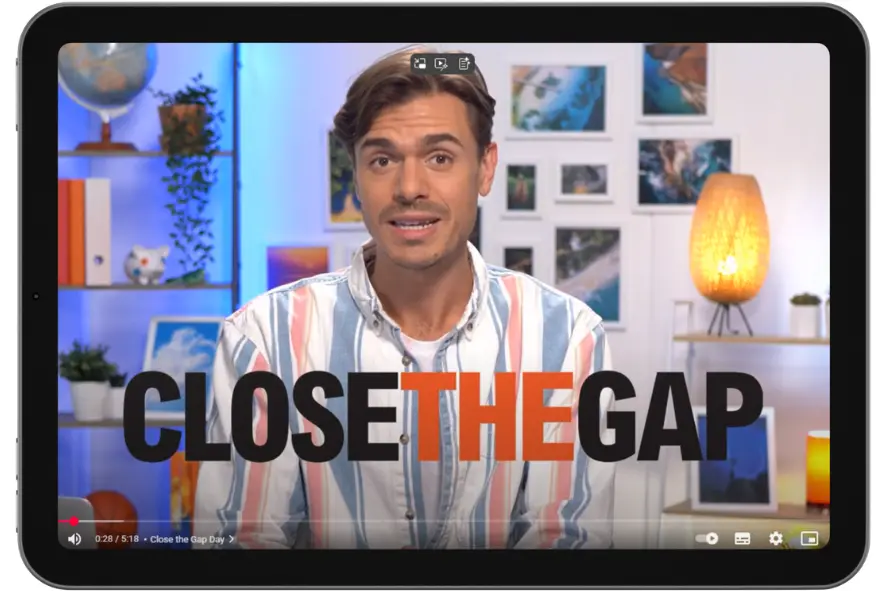
What is Close the Gap? | BTN Newsbreak
This student-friendly explainer introduces the Close the Gap campaign, which aims to address the stark differences in life expectancy and wellbeing between Aboriginal and Torres Strait Islander peoples and non-Indigenous Australians. Highlighting the importance of equitable access to healthcare, education, and meaningful representation, the video also marks Close the Gap Day and the ongoing calls for government action.
🖤💛❤️ 💚🤍💙
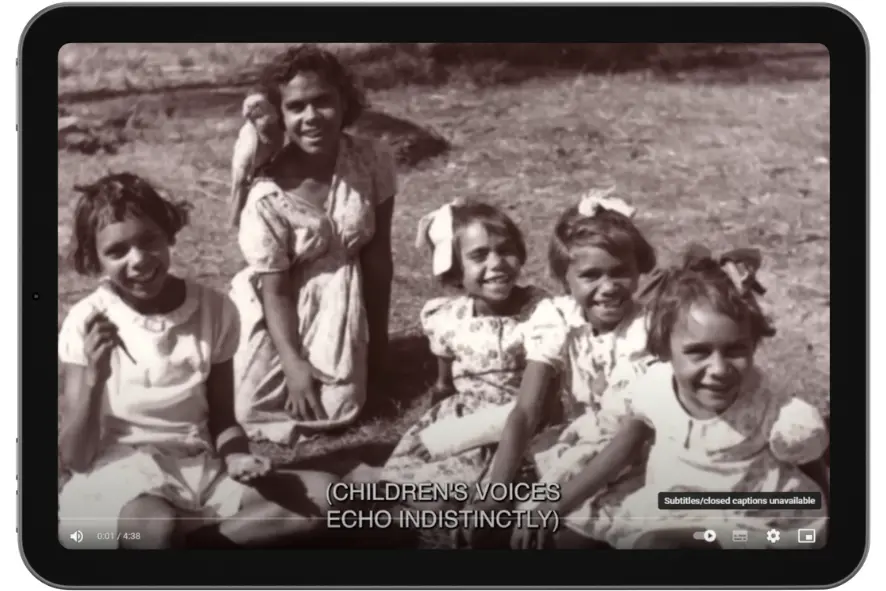
National Sorry Day: Acknowledging the Stolen Generations | BTN
In this thoughtful and accessible episode, BTN’s Jack explains the history and impact of the Stolen Generations - Aboriginal and Torres Strait Islander children forcibly removed from their families during the 20th century. Marking National Sorry Day on May 26, the segment highlights stories of resilience and the importance of remembrance, reconciliation, and truth-telling.
🖤💛❤️ 💚🤍💙
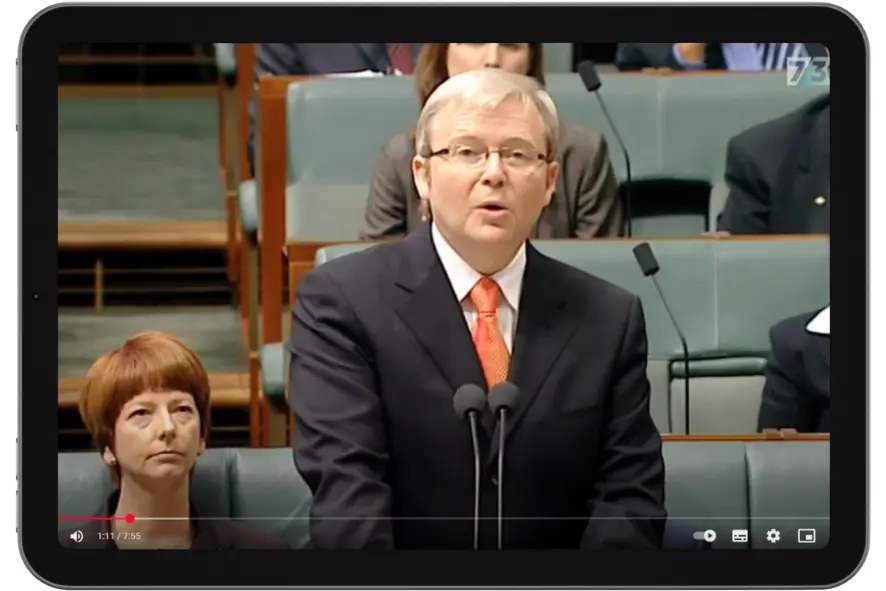
16 Years Since the Apology - Where Are We Now?
This in-depth report reflects on the 16th anniversary of Kevin Rudd’s National Apology to the Stolen Generations, examining its legacy alongside the latest Closing the Gap report. Chief political correspondent Laura Tingle explores whether the Albanese Government’s commitment to fully implementing the Uluru Statement from the Heart is being realised, highlighting both progress and persistent gaps in justice and equity.
🖤💛❤️ 💚🤍💙
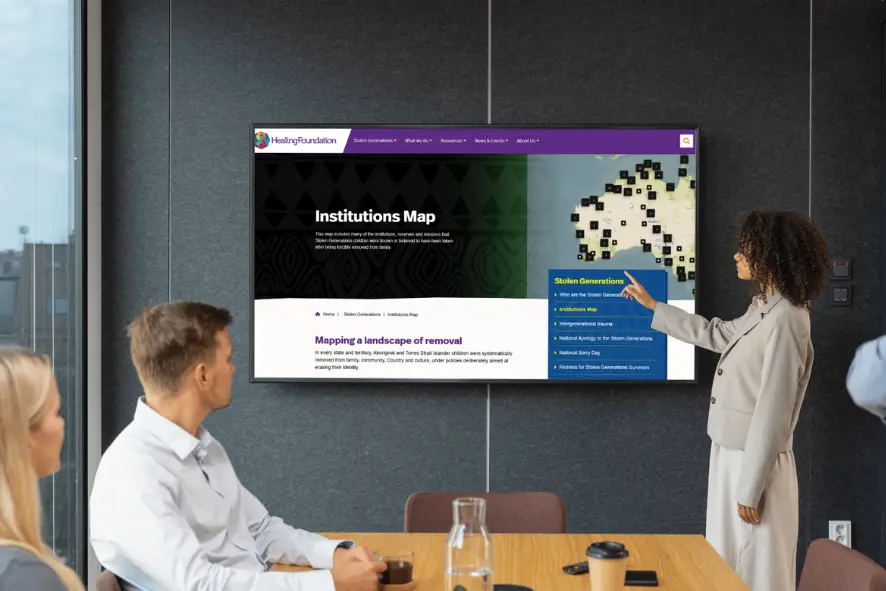
Map of Institutions - The Healing Foundation
An interactive map revealing the scale and stories of institutions involved in the forced removal of Aboriginal and Torres Strait Islander children. A sobering yet essential resource for understanding the legacy of the Stolen Generations.
🖤💛❤️ 💚🤍💙
Cultural awareness
My Time, Our Place V2.0
The updated national framework for school age care in Australia builds on core principles of wellbeing, learning through play, and relational pedagogy. MTOP V2.0 emphasises cultural responsiveness, child agency, and the ongoing commitment to embedding Aboriginal and Torres Strait Islander perspectives.
🖤💛❤️ 💚🤍💙
Early Years Learning Framework V2.0
This foundational document guides early childhood education in Australia. EYLF V2.0 strengthens commitments to Aboriginal and Torres Strait Islander perspectives, children’s rights, and inclusive, holistic learning. It promotes pedagogical practices grounded in relationships, cultural responsiveness, and equity.
🖤💛❤️ 💚🤍💙
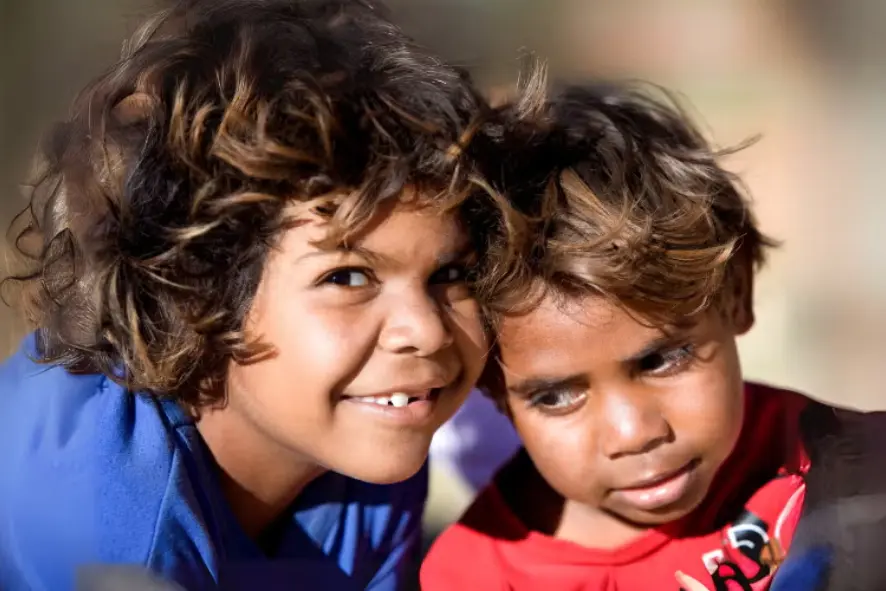
First Nations children deserve a rights-based future, today
In this powerful statement, the Australian Human Rights Commission reaffirms the call for a rights-based approach to supporting First Nations children. Emphasising the importance of culture, connection, and community-led solutions, it advocates for policy and practice that uphold the United Nations Convention on the Rights of the Child and embed equity at every level.
🖤💛❤️ 💚🤍💙
UN Declaration on the Rights of Indigenous Peoples
Adopted by the UN in 2007, this declaration affirms the individual and collective rights of Indigenous peoples globally - including rights to culture, identity, language, education, and self-determination. It provides a vital human rights framework that underpins respectful and inclusive practice.
🖤💛❤️ 💚🤍💙
United Nations Convention on the Rights of the Child
The UNCRC outlines the civil, political, economic, social, and cultural rights of every child - everywhere. It recognises children as active participants in their lives, learning, and communities, and underpins rights-based education approaches. This UNICEF resource offers an accessible overview of the convention and its relevance to practice.
🖤💛❤️ 💚🤍💙
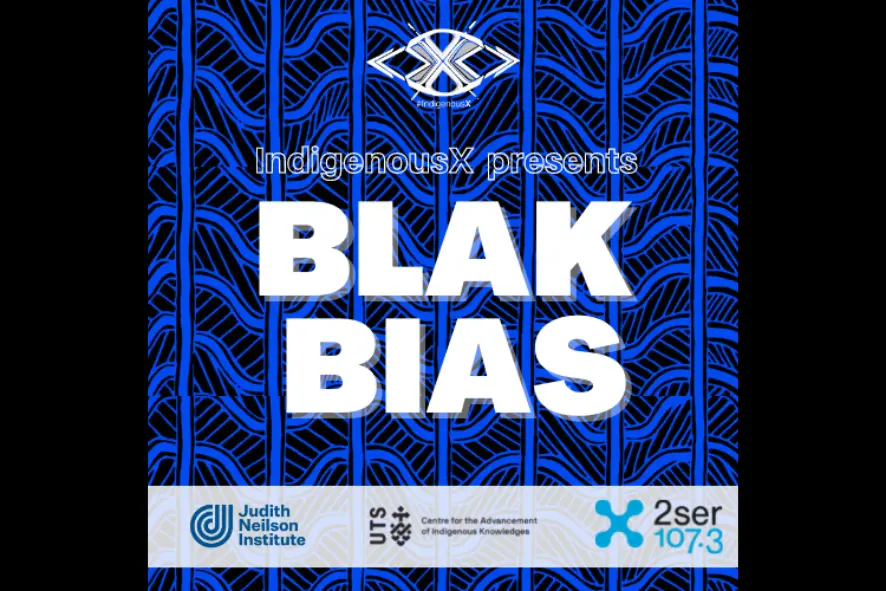
IndigenousX Presents: Blak Bias
Hosted by seasoned Aboriginal journalists Jack Latimore and Madeline Hayman-Reber, Blak Bias cuts through mainstream media narratives to centre Blak voices, truth, and critique. Tackling racism, representation, and media bias, this podcast is a bold invitation to listen differently.
🖤💛❤️ 💚🤍💙
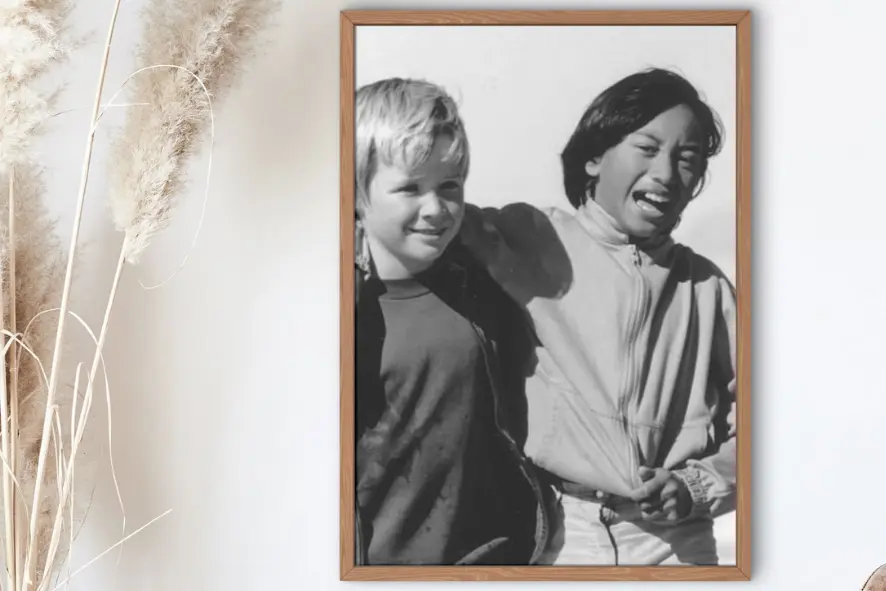
The Treaty in brief
This resource provides a concise overview of the Treaty of Waitangi, signed in 1840 between Māori chiefs and the British Crown. It explores the treaty’s articles, historical significance, and ongoing role in Aotearoa New Zealand’s legal and cultural landscape.
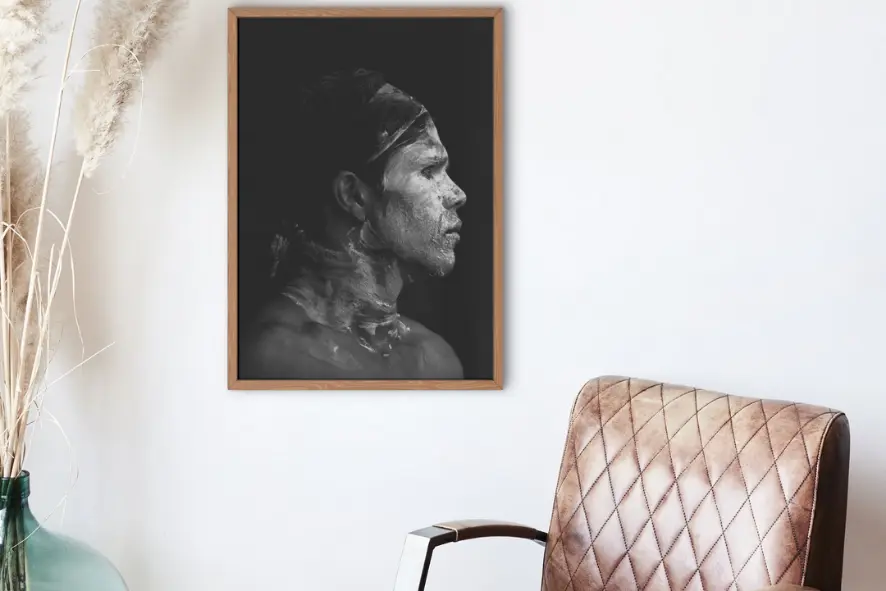
What is Treaty?
This explainer by Australians for Native Title and Reconciliation (ANTaR) outlines what a treaty means in the Australian context. It explores why treaties matter, what they can look like, and how they differ from symbolic gestures.
🖤💛❤️ 💚🤍💙
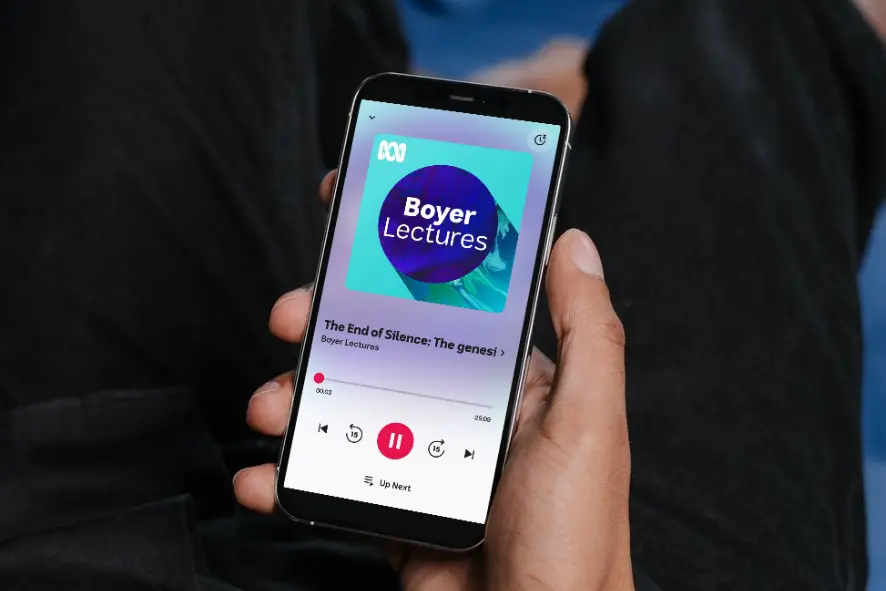
The End of Silence: The genesis of the Uluru statement
In this compelling lecture, Wiradjuri journalist and author Stan Grant reflects on the need to confront Australia's silence around its colonial past. He speaks to truth-telling, identity, and the unfinished business of justice for Aboriginal and Torres Strait Islander peoples.
🖤💛❤️ 💚🤍💙

Treaty
This collection of articles from IndigenousX features diverse Aboriginal and Torres Strait Islander voices exploring the meaning, possibilities, and challenges of treaty in Australia. These pieces go beyond policy and politics - centering lived experience, sovereignty, and the vision for true self-determination.
🖤💛❤️ 💚🤍💙
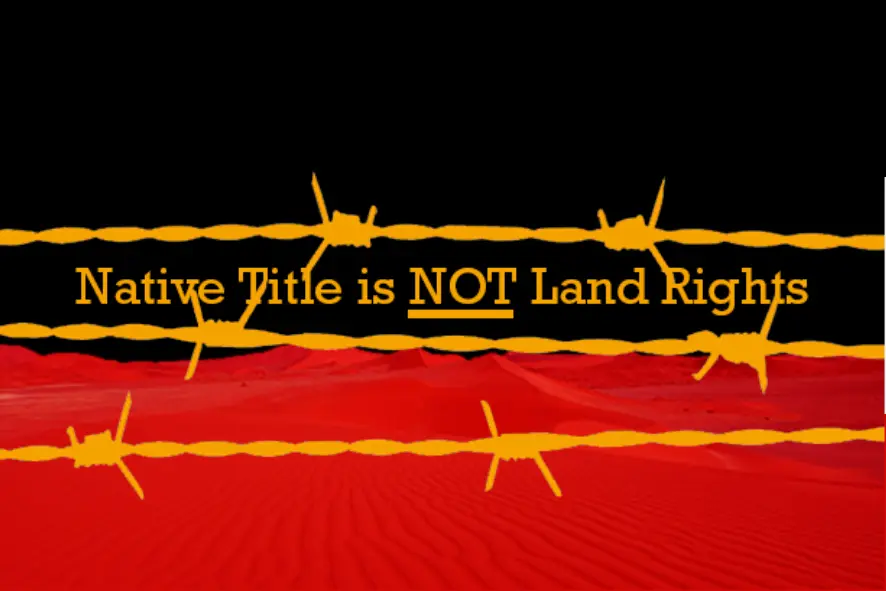
Native Title is NOT Land Rights
This article critically examines the distinction between Native Title and true land rights, arguing that Native Title often reinforces colonial legal frameworks rather than restoring genuine ownership and sovereignty. It challenges educators to reconsider common assumptions and engage with the deeper implications of land justice.
🖤💛❤️ 💚🤍💙

First Nations Voice
This paper reflects on the historic constitutional dialogues undertaken by the Referendum Council from 2016–2017, culminating in the Uluru Statement from the Heart. It centres on the significance of the Voice to Parliament as proposed by First Nations peoples - distinctively grounded in traditional owner authority.
🖤💛❤️ 💚🤍💙
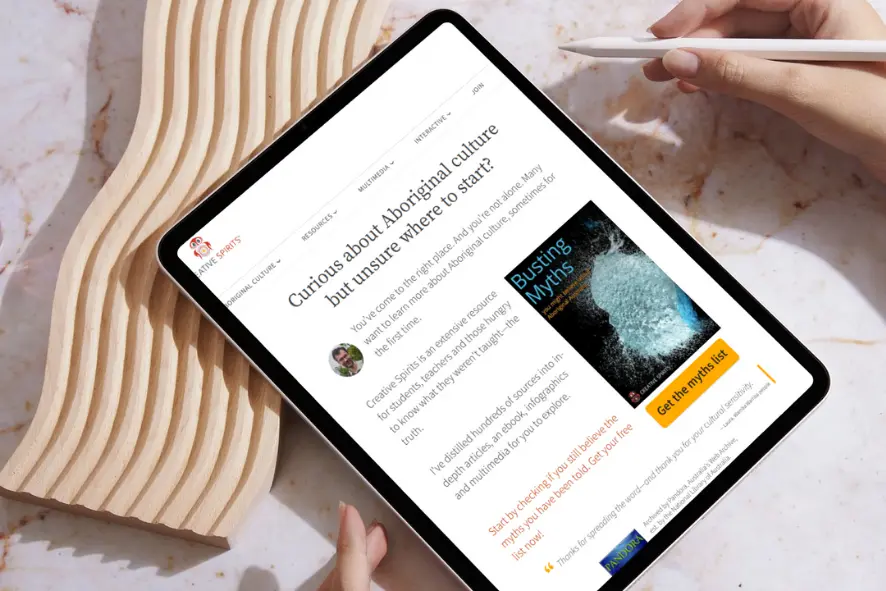
Curious about Aboriginal culture but unsure where to start?
Creative Spirits is a comprehensive and accessible platform created by Jens Korff to support non-Indigenous Australians in learning about Aboriginal culture, history, and contemporary issues. With well-researched articles, infographics, and practical insights, it’s a trusted resource for educators committed to respectful, informed, and culturally responsive teaching.
🖤💛❤️
Aboriginal Spirituality: Aboriginal Philosophy The Basis of Aboriginal Social and Emotional Wellbeing
This discussion paper explores the spiritual and philosophical foundations of Aboriginal worldviews and their central role in social and emotional wellbeing. It challenges Western constructs of mental health and presents Indigenous perspectives grounded in interconnectedness, relationality, and holistic care.
🖤💛❤️
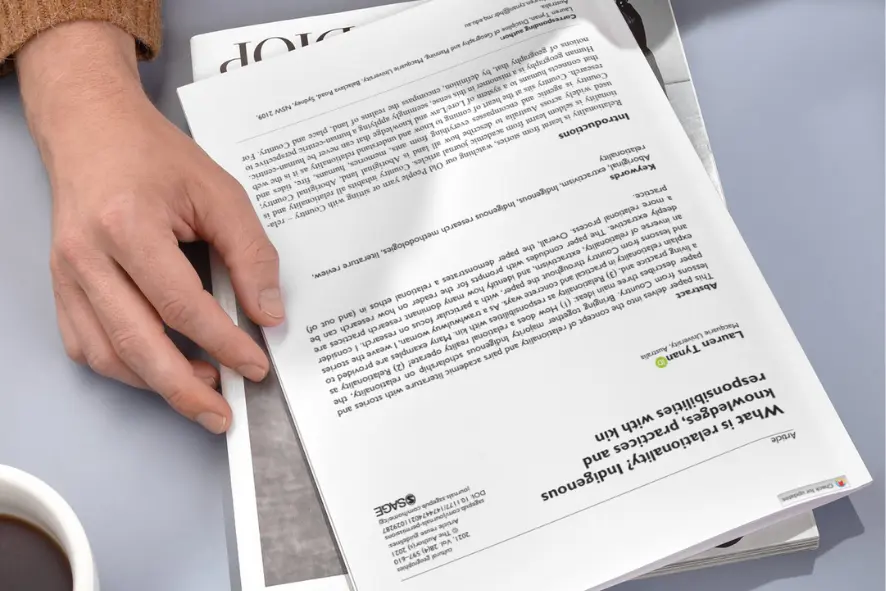
What is relationality? Indigenous knowledges, practices and responsibilities with kin
In this deeply reflective paper, trawlwulwuy scholar Lauren Tynan explores relationality - a foundational concept in Indigenous ways of knowing and being. Drawing on stories from Country and majority Indigenous scholarship, the paper examines relationality as lived practice, ethical responsibility, and resistance to extractive approaches.
🖤💛❤️ 💚🤍💙
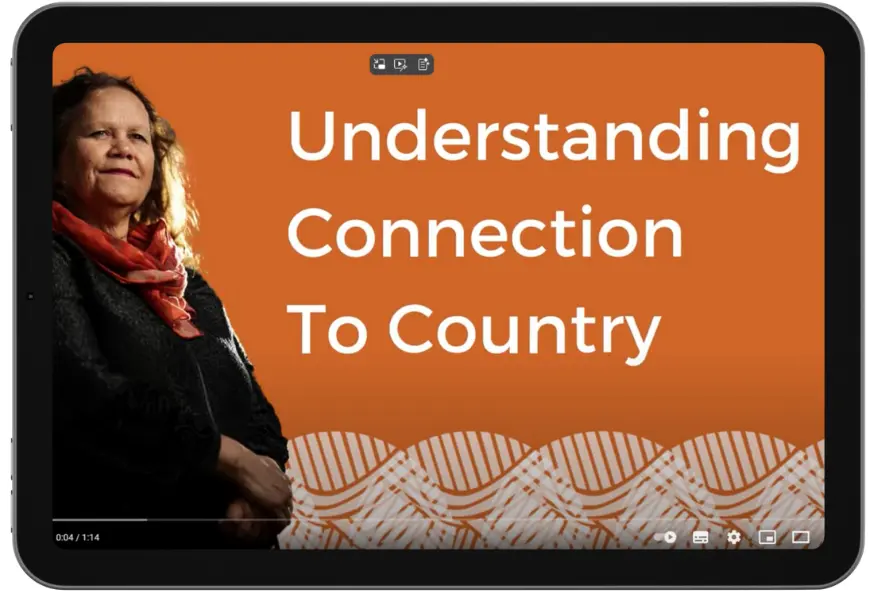
Connection to Country - Why is it important to Aboriginal and Torres Strait Islander people?
In this heartfelt video extract, Aunty Munya shares her cultural knowledge and lived wisdom on why Country holds profound importance for Aboriginal and Torres Strait Islander peoples. Country is not just land - it is kin, story, spirit, and identity. This connection shapes law, lore, language, and belonging.
🖤💛❤️ 💚🤍💙
The importance of understanding cultural diversity among Indigenous Peoples
This video unpacks the vast cultural diversity that exists among Aboriginal and Torres Strait Islander peoples, highlighting the differences in language, Country, kinship systems, and cultural practices across over 250 First Nations.
🖤💛❤️ 💚🤍💙
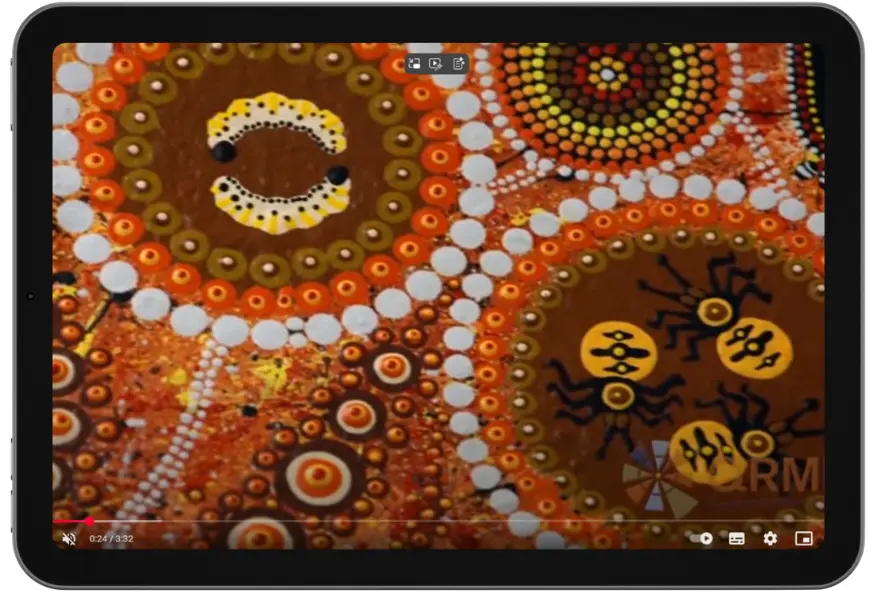
Songlines: Aboriginal Art and Storytelling
This short video introduces the concept of Songlines - intricate maps of Country encoded in song, story, and ceremony. It explains how Aboriginal art is not only creative expression, but a vital way of recording and transmitting knowledge, relationships, and responsibilities.
🖤💛❤️
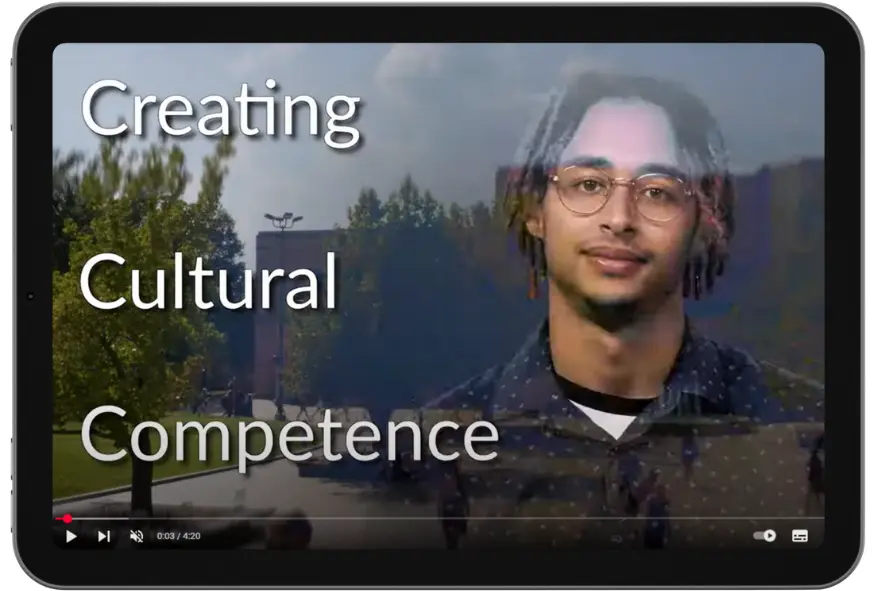
What is Cultural Competence?
In this short video, university students share personal insights into what cultural competence means to them - highlighting empathy, awareness, and respectful engagement across differences. While based in the U.S. context, the reflections offer a useful starting point for educators considering their own cultural competence in working with diverse children, families, and communities.
NITV
NITV is Australia’s national Indigenous broadcaster, dedicated to sharing First Nations stories, news, culture, and perspectives. It offers rich and diverse content by and for Aboriginal and Torres Strait Islander peoples, including documentaries, news, children’s programming, and current affairs.
🖤💛❤️ 💚🤍💙
NIT - National Indigenous Times
NIT is an independent news platform providing in-depth coverage of issues affecting Aboriginal and Torres Strait Islander peoples. From politics and land rights to community achievements and cultural events, it centres First Nations voices and perspectives often overlooked in mainstream media.
🖤💛❤️ 💚🤍💙
Koori Mail - The Voice of Indigenous Australia
100% Aboriginal-owned and proudly independent, Koori Mail is Australia’s national Indigenous newspaper. It shares stories by and for Aboriginal and Torres Strait Islander peoples, covering culture, achievements, community news, and current affairs.
🖤💛❤️ 💚🤍💙
IndigenousX
IndigenousX is an Indigenous-owned and -operated media platform that hosts a rotating roster of Aboriginal and Torres Strait Islander guest contributors. Each voice brings unique insight into culture, politics, education, health, identity, and more - unfiltered and in their own words.
🖤💛❤️ 💚🤍💙
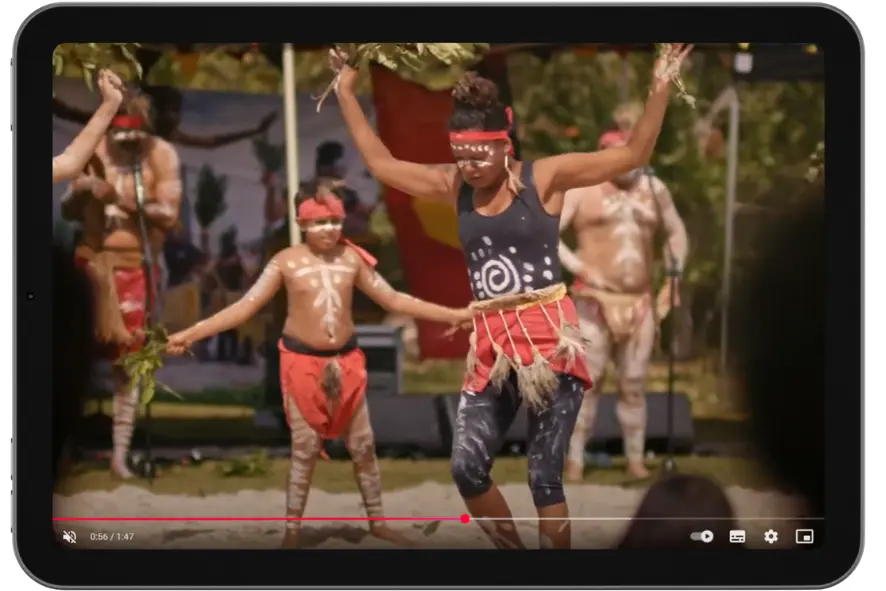
Connect with country at Quandamooka Festival
This short video showcases the Quandamooka Festival, a celebration of Country, culture, and community held across Minjerribah (North Stradbroke Island) and the Redlands. Featuring over 55 events, the festival offers a powerful example of how Aboriginal and Torres Strait Islander peoples continue to live, share, and celebrate culture in vibrant, contemporary ways.
🖤💛❤️ 💚🤍💙
First Languages Australia
First Languages Australia works to support and promote the diverse languages of Aboriginal and Torres Strait Islander peoples. This website offers resources, language maps, educational tools, and community projects that highlight the vitality and importance of First Languages across the continent.
🖤💛❤️ 💚🤍💙
SNAICC - National Voice for our Children
SNAICC is the national peak body representing the interests of Aboriginal and Torres Strait Islander children. Their work spans advocacy, policy development, and sector support, with a strong focus on early childhood, child protection, and the rights of First Nations families. The website provides resources, research, and tools to support culturally strong, child-centred practice.
🖤💛❤️ 💚🤍💙
Growing Up Our Way
his foundational resource introduces the Growing Up Our Way child rearing matrix, a culturally grounded framework that outlines the values, principles, and practices embedded in Aboriginal and Torres Strait Islander ways of raising children. It challenges deficit-based models and centres community strengths, kinship systems, and connection to Country.
🖤💛❤️ 💚🤍💙
Common Ground
Common Ground is a First Nations-led organisation that shares stories, knowledge, and lived experiences to build a deeper understanding of Aboriginal and Torres Strait Islander cultures. Their website is a rich, accessible platform offering videos, articles, timelines, and tools designed to support truth-telling, cultural learning, and reconciliation.
🖤💛❤️ 💚🤍💙
Ask Us Anything
In this powerful video, Aboriginal and Torres Strait Islander students and staff answer anonymously submitted questions to challenge common myths, stereotypes, and microaggressions - like “Is it ever OK to ask someone how Aboriginal they are?” The responses are honest, educational, and often deeply personal, fostering greater cultural understanding and respectful dialogue.
🖤💛❤️ 💚🤍💙
Why Warriors: Q&A videos about Aboriginal people & their Culture
Dive into this invaluable video series where Richard Trudgen shares 90 honest, insightful answers to common questions about Aboriginal people and culture, based on 50 years of work alongside Yolngu people in north-east Arnhem Land. A rare, respectful opportunity to deepen understanding and challenge assumptions.
🖤💛❤️ 💚🤍💙
The Healing Foundation
The Healing Foundation is a national Aboriginal and Torres Strait Islander organisation supporting trauma-aware, culturally strong healing for Stolen Generations survivors and their families. Their free Stolen Generations Resource Kit, developed in close collaboration with survivors, offers a powerful collection of online tools for educators and communities. It promotes truth-telling, respectful engagement with history, and community-led recovery grounded in dignity and cultural strength.
🖤💛❤️ 💚🤍💙
Map of Institutions - The Healing Foundation
An interactive map revealing the scale and stories of institutions involved in the forced removal of Aboriginal and Torres Strait Islander children. A sobering yet essential resource for understanding the legacy of the Stolen Generations.
🖤💛❤️ 💚🤍💙
How and why to do an Acknowledgement of Country
Connection to Country - Why is it important to Aboriginal and Torres Strait Islander people?
In this heartfelt video extract, Aunty Munya shares her cultural knowledge and lived wisdom on why Country holds profound importance for Aboriginal and Torres Strait Islander peoples. Country is not just land - it is kin, story, spirit, and identity. This connection shapes law, lore, language, and belonging.
🖤💛❤️ 💚🤍💙
The importance of understanding cultural diversity among Indigenous Peoples
This video unpacks the vast cultural diversity that exists among Aboriginal and Torres Strait Islander peoples, highlighting the differences in language, Country, kinship systems, and cultural practices across over 250 First Nations.
🖤💛❤️ 💚🤍💙
Welcome to Country
This video shares the deep cultural origins and continued importance of Welcome to Country rituals, reminding viewers that these are not just formalities, but sacred acts of respect, safety, and relationship. Rooted in protocols practiced for millennia, a Welcome ensures that visitors enter Country with the right spirit and intention.
🖤💛❤️ 💚🤍💙
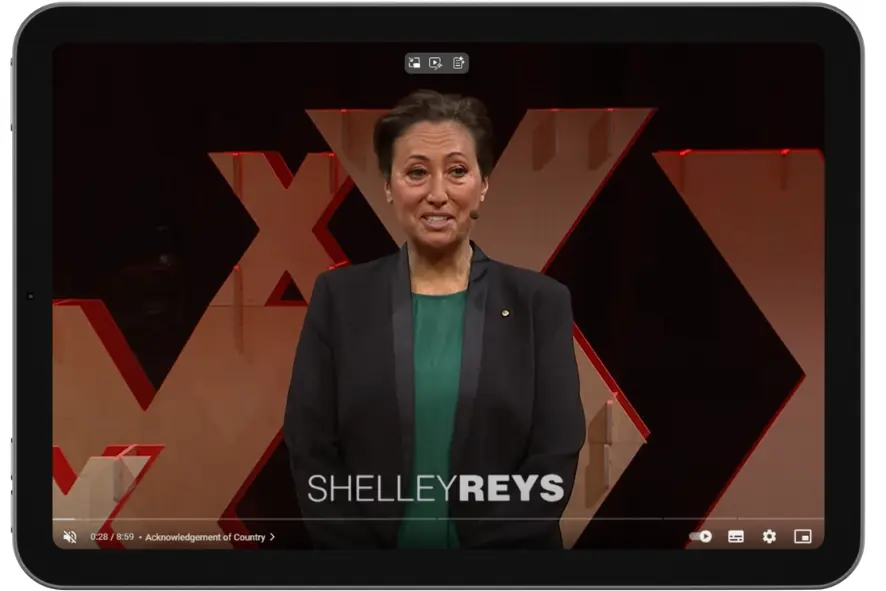
Deliver an Acknowledgement of Country that really means something
In this powerful talk, Djiribul woman Shelley Reys AO explores the heart and purpose behind Acknowledgement of Country. She offers practical guidance on how non-Indigenous Australians can move beyond rote recitation to create authentic, respectful acknowledgements that honour Country and connection.
🖤💛❤️ 💚🤍💙
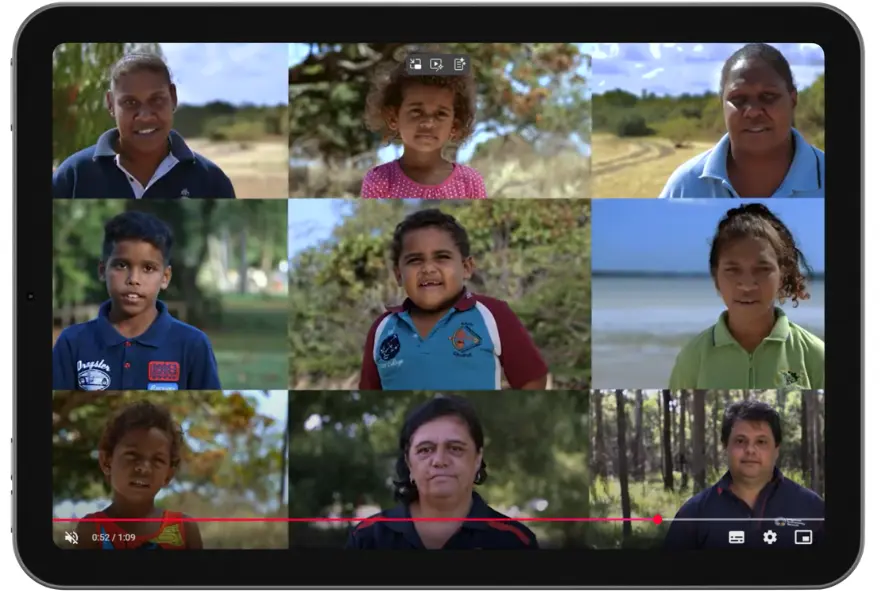
Acknowledgement of Country
This video supports educators in delivering meaningful Acknowledgements of Country with young children. It emphasises the importance of authenticity, understanding, and connection when honouring the Traditional Owners of the land. Aligned with Queensland’s early learning frameworks and the Kindy Uplift priority of culturally safe programs, it offers practical examples for everyday practice.
🖤💛❤️ 💚🤍💙
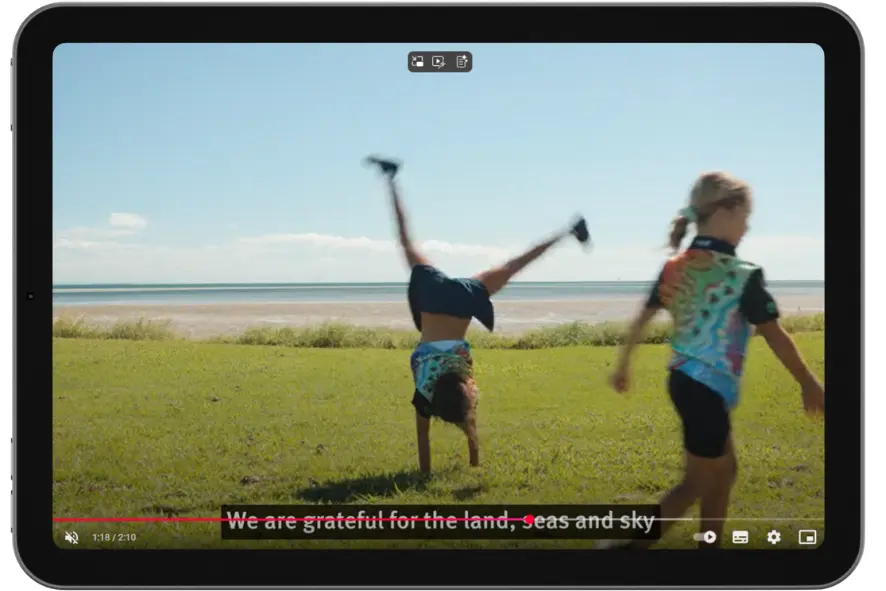
Statewide Acknowledgement of Country – Queensland Department of Education
Produced by the Queensland Department of Education, this video features Aboriginal and Torres Strait Islander children, school staff, Elders, and community members from across the state, collectively offering an Acknowledgement of Country. It celebrates the enduring connections of Traditional Custodians to Ancestral Lands and Waterways, modelling cultural respect and unity in action.
🖤💛❤️ 💚🤍💙
Acknowledgement of Country | ABC ME Australia
This beautifully animated Acknowledgement of Country from ABC ME honours Aboriginal and Torres Strait Islander peoples as the Traditional Custodians of the lands and waters across Australia. Featuring vibrant artwork by First Nations artist Arkie Barton and narration by Gamilaraay broadcaster Rudi Bremer, it offers a warm and engaging way to introduce children to respectful cultural protocols.
🖤💛❤️ 💚🤍💙
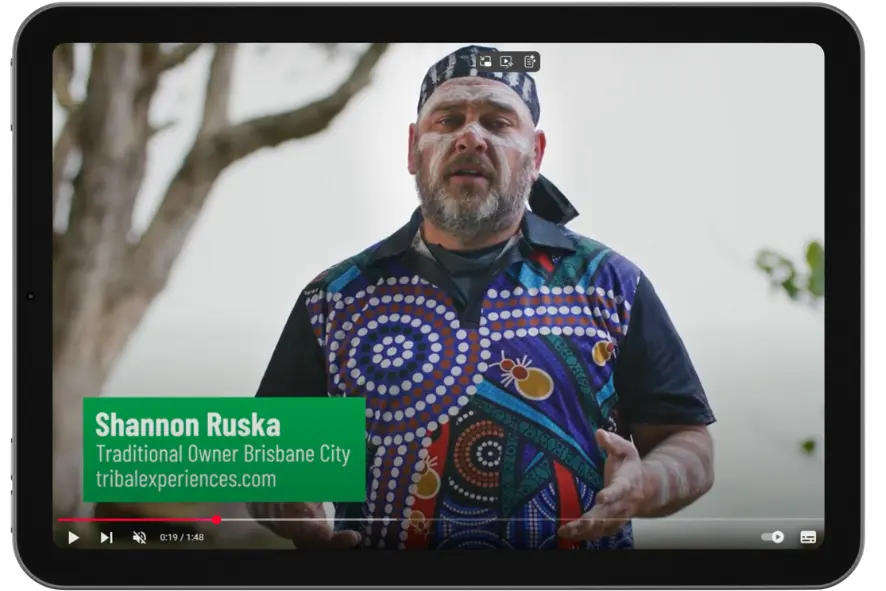
What is an Acknowledgement of Country?
This short, accessible video clarifies the important distinction between an Acknowledgement of Country and a Welcome to Country - two cultural protocols that are often confused. It outlines who can deliver each, their cultural significance, and how they should be respectfully incorporated into different contexts.
🖤💛❤️ 💚🤍💙
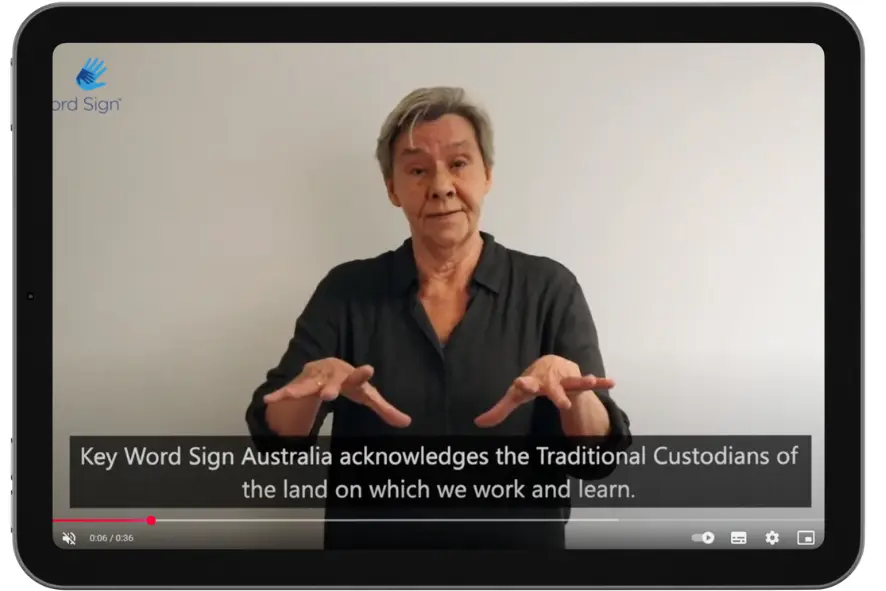
Acknowledgement of Country | Key Word Sign Australia Website
This video presents an Acknowledgement of Country using Key Word Sign, supporting inclusive communication for children and adults with diverse language needs. It offers a respectful and accessible way to involve all learners in culturally meaningful practices, aligning beautifully with inclusive and culturally safe pedagogy.
🖤💛❤️ 💚🤍💙
What is an Acknowledgement of Country and why is it important?
In this thoughtful video, Professor Andrew Peters (Wurundjeri) explains the cultural and spiritual significance of Country for First Nations peoples. He highlights why Acknowledgements of Country matter - not as routine statements, but as moments to pause, connect, and pay respect.
🖤💛❤️ 💚🤍💙
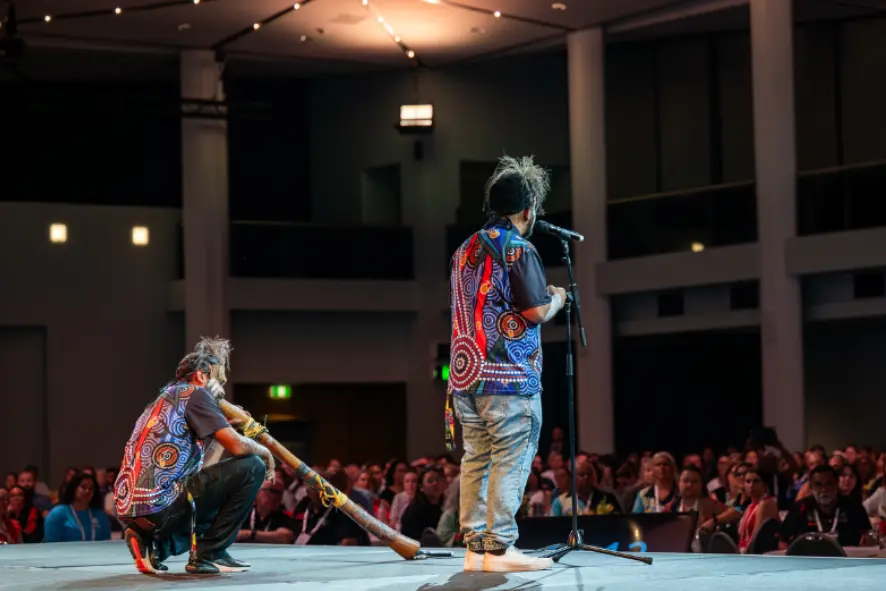
Acknowledgement of Country & Welcome to Country | Reconciliation Australia
This page provides clear, respectful guidance on the distinct purposes and protocols of Acknowledgement of Country and Welcome to Country. It includes practical examples, key terminology, and culturally appropriate ways to honour the Traditional Custodians of the land.
🖤💛❤️ 💚🤍💙
Building respectful and reciprocal relationships with Indigenous Families and Communities
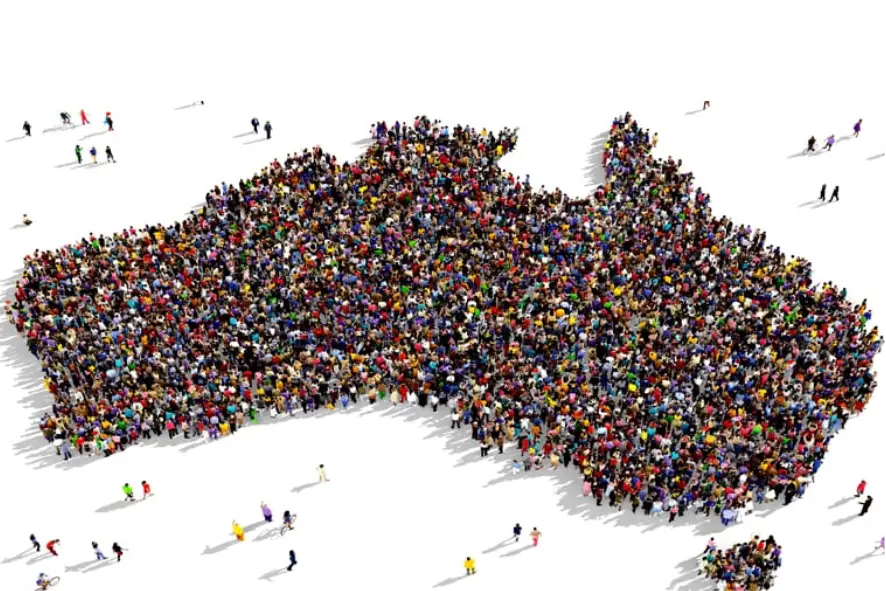
Listen up: decolonisation is a collective effort by all Australians
This article explores decolonisation as an active, ongoing process that requires listening, learning, and responsibility from all Australians - not just First Nations peoples. It highlights how education, policy, and cultural practice must shift to dismantle colonial systems and support genuine equity and sovereignty.
🖤💛❤️ 💚🤍💙
National Indigenous Australians Agency
The NIAA is the Australian Government agency responsible for leading and coordinating policy, programs, and engagement with Aboriginal and Torres Strait Islander peoples. It plays a key role in delivering initiatives that support Closing the Gap, economic participation, cultural preservation, and local decision-making.
🖤💛❤️ 💚🤍💙
Indigenous Governance Toolkit
Developed by the Australian Indigenous Governance Institute, this toolkit supports communities and organisations to strengthen their own models of governance grounded in culture, Country, and community. It offers practical tools, videos, and case studies that honour First Nations leadership and decision-making practices.
🖤💛❤️ 💚🤍💙
Understand Indigenous governance
This section introduces the foundations of Indigenous governance - centred on relationships, cultural legitimacy, collective decision-making, and connection to Country. It challenges Western assumptions and highlights the strengths of First Nations systems of governance, both past and present.
🖤💛❤️ 💚🤍💙
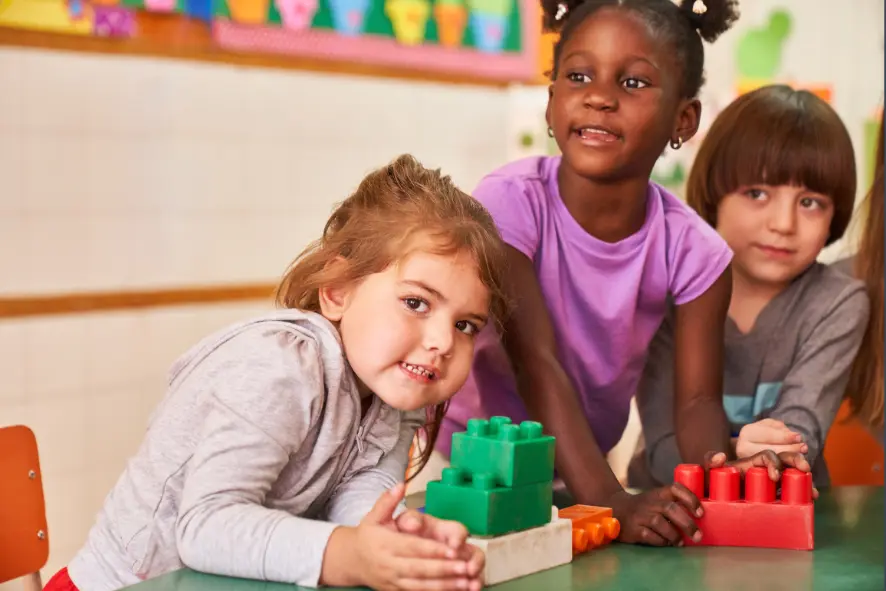
When you say you 'don't see race'...
In this enduringly relevant piece, Zach Stafford challenges the well-meaning but harmful claim of colour-blindness. He explains how saying “I don’t see race” ignores the realities of racism and marginalisation, silences lived experiences, and avoids the hard work of equity and justice.
🖤💛❤️ 💚🤍💙

The Aboriginal and Torres Strait Islander Child Placement Principle
This resource unpacks the five elements of the Aboriginal and Torres Strait Islander Child Placement Principle: prevention, partnership, placement, participation, and connection. These elements aim to uphold children's rights to be raised in family, community, and culture.
🖤💛❤️ 💚🤍💙
The Healing Foundation
The Healing Foundation is a national Aboriginal and Torres Strait Islander organisation that supports trauma-aware, culturally strong healing for Stolen Generations survivors and their families. Through education, research, and community-led programs, it addresses the ongoing impacts of colonisation and promotes truth-telling, dignity, and recovery.
🖤💛❤️ 💚🤍💙
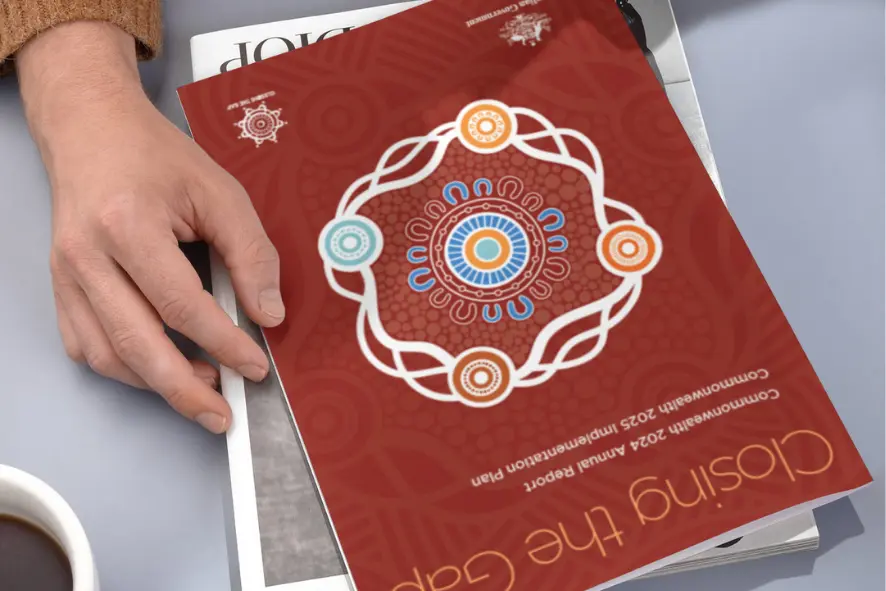
Commonwealth Closing the Gap 2024 Annual Report and 2025 Implementation Plan
This official Commonwealth report outlines progress against the national Closing the Gap targets and details planned actions for 2025. It provides data, policy updates, and community-informed strategies across priority areas such as health, education, justice, and economic participation.
🖤💛❤️ 💚🤍💙
What is relationality? Indigenous knowledges, practices and responsibilities with kin
In this deeply reflective paper, trawlwulwuy scholar Lauren Tynan explores relationality - a foundational concept in Indigenous ways of knowing and being. Drawing on stories from Country and majority Indigenous scholarship, the paper examines relationality as lived practice, ethical responsibility, and resistance to extractive approaches.
🖤💛❤️ 💚🤍💙
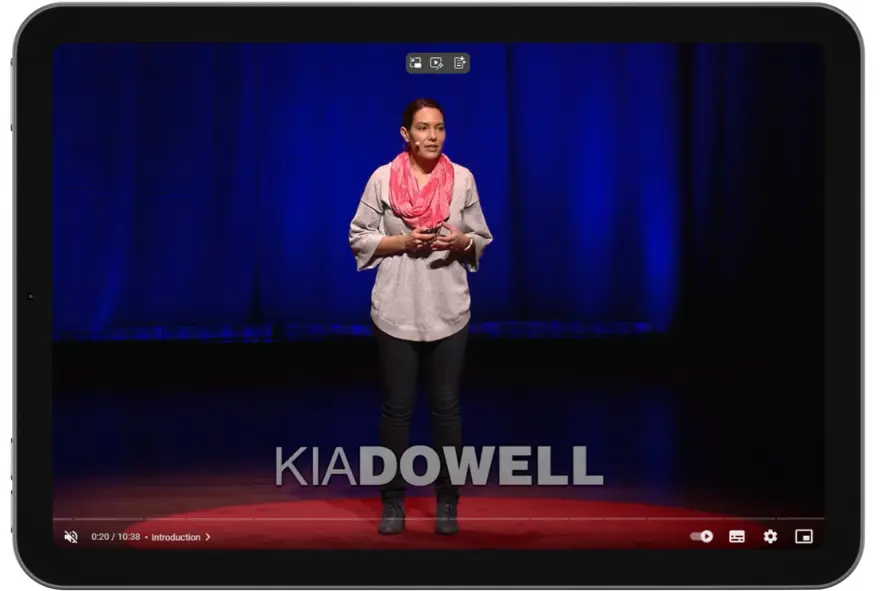
The solution to indigenous disadvantage | Kia Dowell | TEDxPerth
In this powerful talk, Gija woman Kia Dowell challenges Australia’s conventional policy responses to Indigenous disadvantage, asking whether they offer real solutions or meaningful outcomes. Drawing from her experience in business, community, and cross-sector collaboration, she offers a compelling vision for more effective, locally driven change.
🖤💛❤️ 💚🤍💙
The importance of understanding cultural diversity among Indigenous Peoples
This video unpacks the vast cultural diversity that exists among Aboriginal and Torres Strait Islander peoples, highlighting the differences in language, Country, kinship systems, and cultural practices across over 250 First Nations.
🖤💛❤️ 💚🤍💙
Connect with country at Quandamooka Festival
This short video showcases the Quandamooka Festival, a celebration of Country, culture, and community held across Minjerribah (North Stradbroke Island) and the Redlands. Featuring over 55 events, the festival offers a powerful example of how Aboriginal and Torres Strait Islander peoples continue to live, share, and celebrate culture in vibrant, contemporary ways.
🖤💛❤️ 💚🤍💙
Growing Up Our Way
This foundational resource introduces the Growing Up Our Way child rearing matrix, a culturally grounded framework that outlines the values, principles, and practices embedded in Aboriginal and Torres Strait Islander ways of raising children. It challenges deficit-based models and centres community strengths, kinship systems, and connection to Country.
🖤💛❤️ 💚🤍💙
Emerging Minds
Emerging Minds provides evidence-based resources, training, and practice tools to support the social and emotional wellbeing of children and families. With a strong focus on trauma-aware, culturally responsive, and strengths-based approaches, the platform includes resources specifically developed in partnership with Aboriginal and Torres Strait Islander communities.
🖤💛❤️ 💚🤍💙
Ask Us Anything
In this powerful video, Aboriginal and Torres Strait Islander students and staff answer anonymously submitted questions to challenge common myths, stereotypes, and microaggressions - like “Is it ever OK to ask someone how Aboriginal they are?” The responses are honest, educational, and often deeply personal, fostering greater cultural understanding and respectful dialogue.
🖤💛❤️ 💚🤍💙
Embedding Aboriginal and Torres Strait Islander perspectives in practice
Yarning About Yarning
This article explores yarning as an Indigenous research method - centred on relationality, deep listening, and cultural protocol. It positions yarning not just as a conversational tool, but as a legitimate and rigorous methodology grounded in Aboriginal and Torres Strait Islander ways of knowing.
🖤💛❤️ 💚🤍💙
Dadirri: The Quiet Stillness Inside Us
Dadirri, a concept shared by Dr Miriam-Rose Ungunmerr, is a Ngan’gikurunggurr word that expresses the practice of deep inner listening, quiet still awareness, and respectful waiting. It invites us to be present, to truly listen - not just with our ears, but with our hearts.
🖤💛❤️
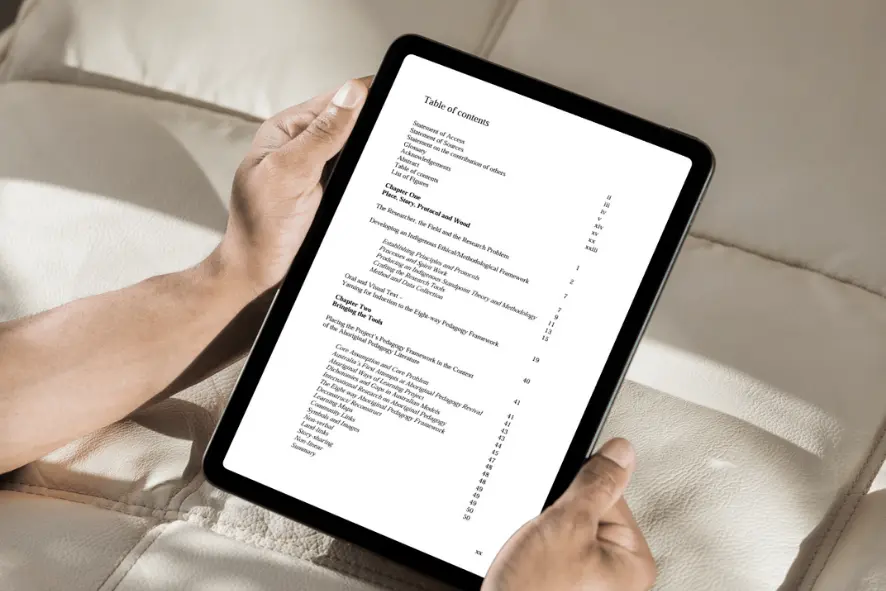
Aboriginal Pedagogies at the Cultural Interface
This influential thesis explores Aboriginal Pedagogies, including the “8 Ways of Learning” framework - a model of Aboriginal pedagogy developed through community consultation and deep engagement with cultural knowledge systems. Dr Yunkaporta maps how Indigenous ways of knowing can guide curriculum, pedagogy, and relationships within Western education systems without appropriation or dilution.
🖤💛❤️
Governance lingo
This glossary breaks down commonly used terms in Indigenous governance, offering clear, culturally grounded definitions from a First Nations perspective. It’s a helpful tool for building shared understanding and respectful dialogue across communities, services, and leadership teams.
🖤💛❤️ 💚🤍💙
Understand Indigenous governance
This section introduces the foundations of Indigenous governance - centred on relationships, cultural legitimacy, collective decision-making, and connection to Country. It challenges Western assumptions and highlights the strengths of First Nations systems of governance, both past and present.
🖤💛❤️ 💚🤍💙
Listen up: decolonisation is a collective effort by all Australians
This article invites readers to understand decolonisation not as a symbolic gesture, but as an ongoing, active process of truth-telling, dismantling colonial structures, and returning authority to First Nations peoples. It emphasises that decolonisation is everyone’s responsibility - not just that of Aboriginal and Torres Strait Islander communities.
🖤💛❤️ 💚🤍💙
Aboriginal Spirituality: Aboriginal Philosophy The Basis of Aboriginal Social and Emotional Wellbeing
This discussion paper explores the spiritual and philosophical foundations of Aboriginal worldviews and their central role in social and emotional wellbeing. It challenges Western constructs of mental health and presents Indigenous perspectives grounded in interconnectedness, relationality, and holistic care.
🖤💛❤️
Connection to Country - Why is it important to Aboriginal and Torres Strait Islander people?
In this heartfelt video extract, Aunty Munya shares her cultural knowledge and lived wisdom on why Country holds profound importance for Aboriginal and Torres Strait Islander peoples. Country is not just land - it is kin, story, spirit, and identity. This connection shapes law, lore, language, and belonging.
🖤💛❤️ 💚🤍💙
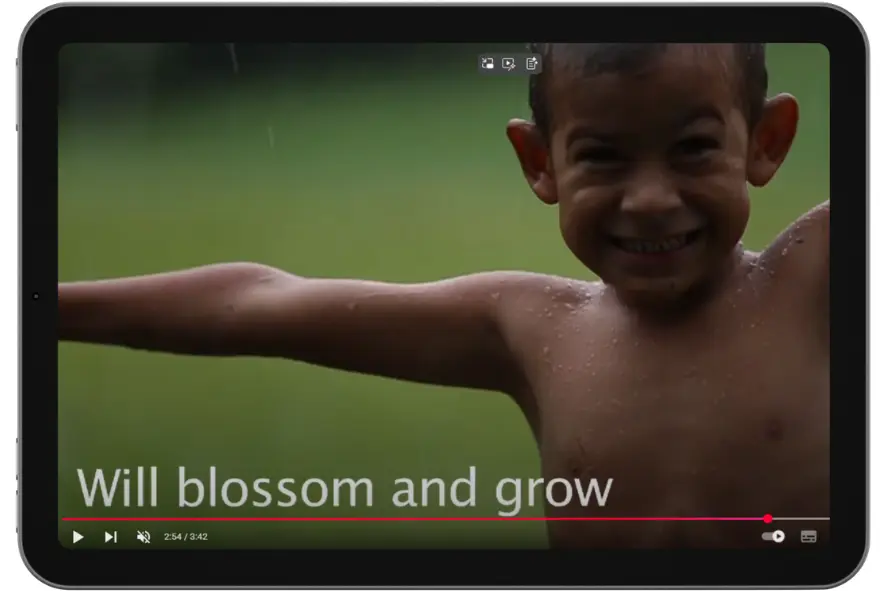
Dadirri, shared by Ngangiwumirr artist and educator, Miriam Rose Ungunmerr Baumann
In this beautifully crafted short film, Dr Miriam-Rose Ungunmerr introduces Dadirri - a Ngangikurungkurr word meaning deep inner listening and quiet, still awareness. Shared as a gift to the nation, Dadirri invites all Australians to slow down, connect deeply with Country, and nurture spiritual well-being through presence and patience.
🖤💛❤️
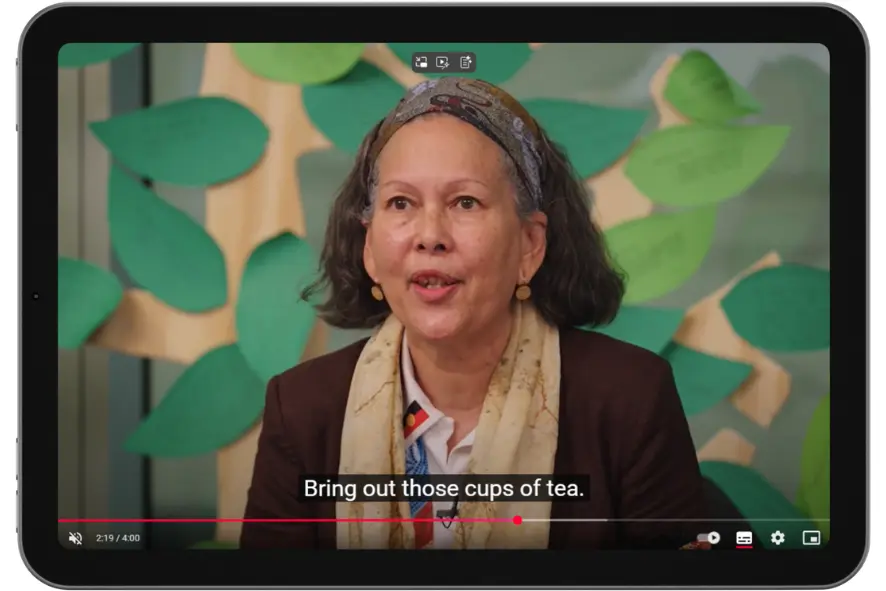
Embedding Aboriginal and Torres Strait Islander perspectives by building relationships
Aligned with the Kindy Uplift priority of Creating culturally safe, inclusive and responsive Kindergarten Programs, this video features Cultural Advisors from the Department of Education sharing insights on how educators can build respectful, trust-based relationships with First Nations children, families, and communities.
🖤💛❤️💚🤍💙
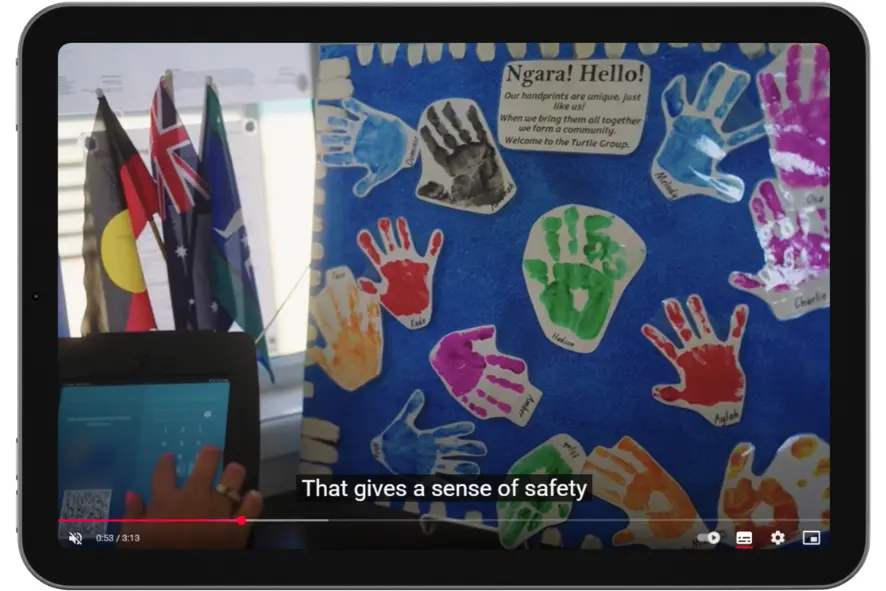
Embedding Aboriginal and Torres Strait Islander perspectives starts at the gate
This video supports the Kindy Uplift priority of Creating culturally safe, inclusive and responsive Kindergarten Programs. Cultural Advisors share practical guidance on how embedding First Nations perspectives begins with intentional, respectful practice from the moment families arrive.
🖤💛❤️ 💚🤍💙
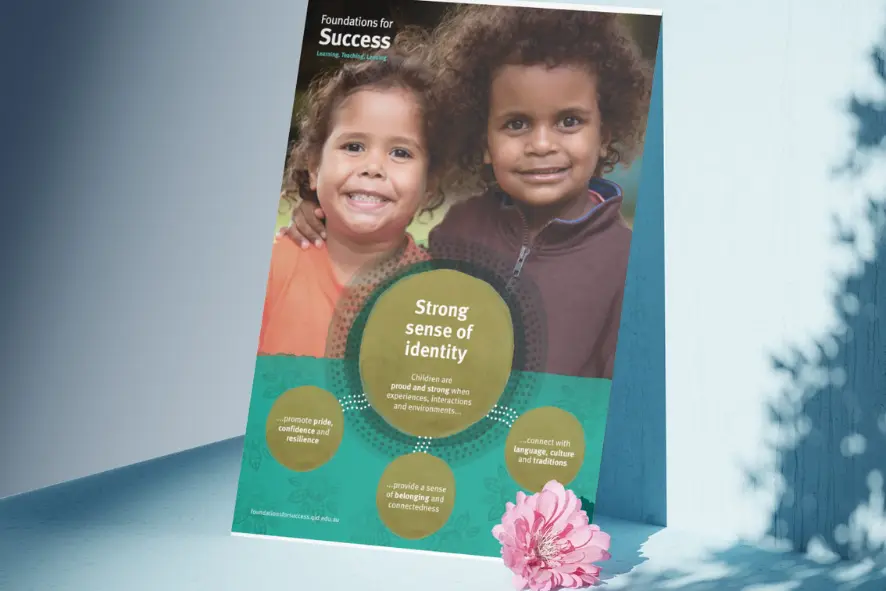
Posters and Templates - Foundations for Success
This collection of downloadable resources includes culturally responsive posters, planning templates, and visual tools designed to support early years educators in embedding Aboriginal and Torres Strait Islander perspectives in everyday practice.
Aligned with the Queensland Kindergarten Learning Guideline and Kindy Uplift priorities, these materials support inclusive, respectful, and strength-based learning environments.
🖤💛❤️ 💚🤍💙
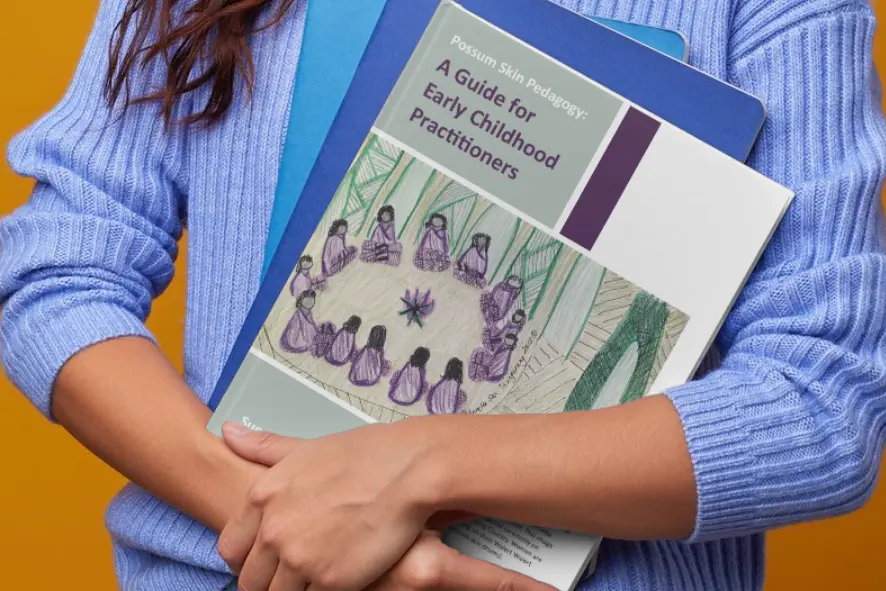
Possum Skin Pedagogy
This beautifully crafted guide introduces early childhood educators to Possum Skin Pedagogy - an approach centred on cultural knowledge, storytelling, and relationship with Country. Grounded in Victorian Aboriginal ways of knowing, being and doing, the guide offers practical ideas, reflective questions, and insights into respectful, relational pedagogy that honours cultural integrity.
🖤💛❤️
First Languages Australia
First Languages Australia works to support and promote the diverse languages of Aboriginal and Torres Strait Islander peoples. This website offers resources, language maps, educational tools, and community projects that highlight the vitality and importance of First Languages across the continent.
🖤💛❤️ 💚🤍💙
SNAICC - National Voice for our Children
SNAICC is the national peak body representing the interests of Aboriginal and Torres Strait Islander children. Their work spans advocacy, policy development, and sector support, with a strong focus on early childhood, child protection, and the rights of First Nations families. The website provides resources, research, and tools to support culturally strong, child-centred practice.
🖤💛❤️ 💚🤍💙
Emerging Minds
Emerging Minds provides evidence-based resources, training, and practice tools to support the social and emotional wellbeing of children and families. With a strong focus on trauma-aware, culturally responsive, and strengths-based approaches, the platform includes resources specifically developed in partnership with Aboriginal and Torres Strait Islander communities.
🖤💛❤️ 💚🤍💙
Growing Up Our Way
This foundational resource introduces the Growing Up Our Way child rearing matrix, a culturally grounded framework that outlines the values, principles, and practices embedded in Aboriginal and Torres Strait Islander ways of raising children. It challenges deficit-based models and centres community strengths, kinship systems, and connection to Country.
🖤💛❤️ 💚🤍💙
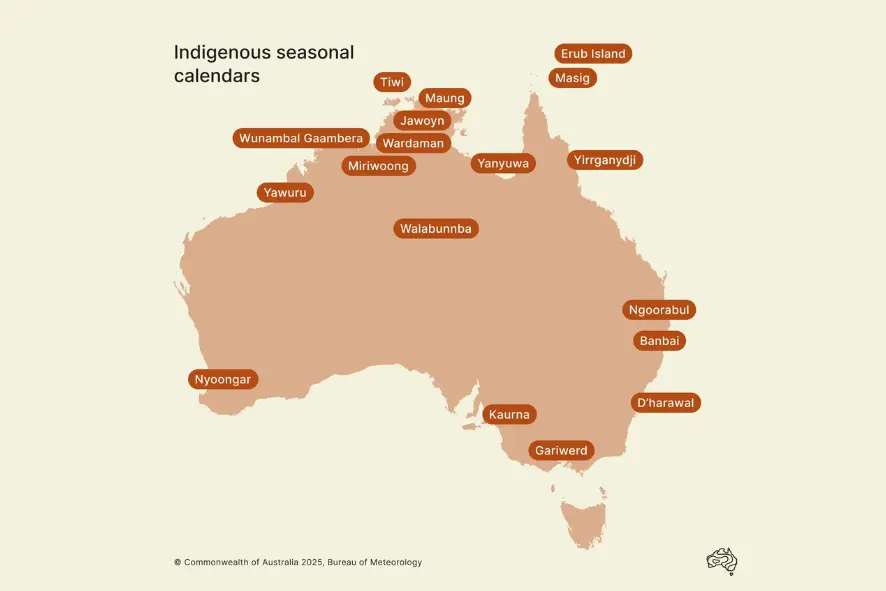
Indigenous Weather Knowledge | Bureau of Meteorology (BoM)
This interactive platform highlights the rich and sophisticated weather and seasonal knowledge held by Aboriginal and Torres Strait Islander communities across Australia. Developed in partnership with First Nations peoples, the resource shares traditional seasonal calendars and stories that reflect deep, place-based understandings of climate, land, and ecology.
🖤💛❤️ 💚🤍💙
Reflective practice and your role as an Educator
Including Program & curriculum support
Quality Area 7: Governance and leadership
Quality Area 7 of the National Quality Standard highlights the role of strong leadership, ethical governance, and continuous improvement in early childhood education and care. This section guides educators and leaders to reflect on how service philosophy, inclusive leadership, and collaborative decision-making contribute to a culturally safe and high-quality environment.
🖤💛❤️ 💚🤍💙

Uluru Statement from the Heart - how can we help?
This accessible article outlines the key messages of the Uluru Statement from the Heart - Voice, Treaty, and Truth - and explores practical ways individuals and organisations can engage meaningfully with its call for change.
🖤💛❤️ 💚🤍💙
Listen up: decolonisation is a collective effort by all Australians
This article invites readers to understand decolonisation not as a symbolic gesture, but as an ongoing, active process of truth-telling, dismantling colonial structures, and returning authority to First Nations peoples. It emphasises that decolonisation is everyone’s responsibility - not just that of Aboriginal and Torres Strait Islander communities.
🖤💛❤️ 💚🤍💙
When you say you 'don't see race'...
In this enduringly relevant piece, Zach Stafford challenges the well-meaning but harmful claim of colour-blindness. He explains how saying “I don’t see race” ignores the realities of racism and marginalisation, silences lived experiences, and avoids the hard work of equity and justice.
🖤💛❤️ 💚🤍💙
The Aboriginal and Torres Strait Islander Child Placement Principle
This resource unpacks the five elements of the Aboriginal and Torres Strait Islander Child Placement Principle: prevention, partnership, placement, participation, and connection. These elements aim to uphold children's rights to be raised in family, community, and culture.
🖤💛❤️ 💚🤍💙
Healing Foundation
The Healing Foundation is a national Aboriginal and Torres Strait Islander organisation that supports trauma-aware, culturally strong healing for Stolen Generations survivors and their families. Through education, research, and community-led programs, it addresses the ongoing impacts of colonisation and promotes truth-telling, dignity, and recovery.
🖤💛❤️ 💚🤍💙
What is relationality? Indigenous knowledges, practices and responsibilities with kin
In this deeply reflective paper, trawlwulwuy scholar Lauren Tynan explores relationality - a foundational concept in Indigenous ways of knowing and being. Drawing on stories from Country and majority Indigenous scholarship, the paper examines relationality as lived practice, ethical responsibility, and resistance to extractive approaches.
🖤💛❤️ 💚🤍💙
Songlines: Aboriginal Art and Storytelling
This short video introduces the concept of Songlines - intricate maps of Country encoded in song, story, and ceremony. It explains how Aboriginal art is not only creative expression, but a vital way of recording and transmitting knowledge, relationships, and responsibilities.
🖤💛❤️
What is Cultural Competence?
In this short video, university students share personal insights into what cultural competence means to them - highlighting empathy, awareness, and respectful engagement across differences. While based in the U.S. context, the reflections offer a useful starting point for educators considering their own cultural competence in working with diverse children, families, and communities.
Curious about Aboriginal culture but unsure where to start?
Creative Spirits is a comprehensive and accessible platform created by Jens Korff to support non-Indigenous Australians in learning about Aboriginal culture, history, and contemporary issues. With well-researched articles, infographics, and practical insights, it’s a trusted resource for educators committed to respectful, informed, and culturally responsive teaching.
🖤💛❤️
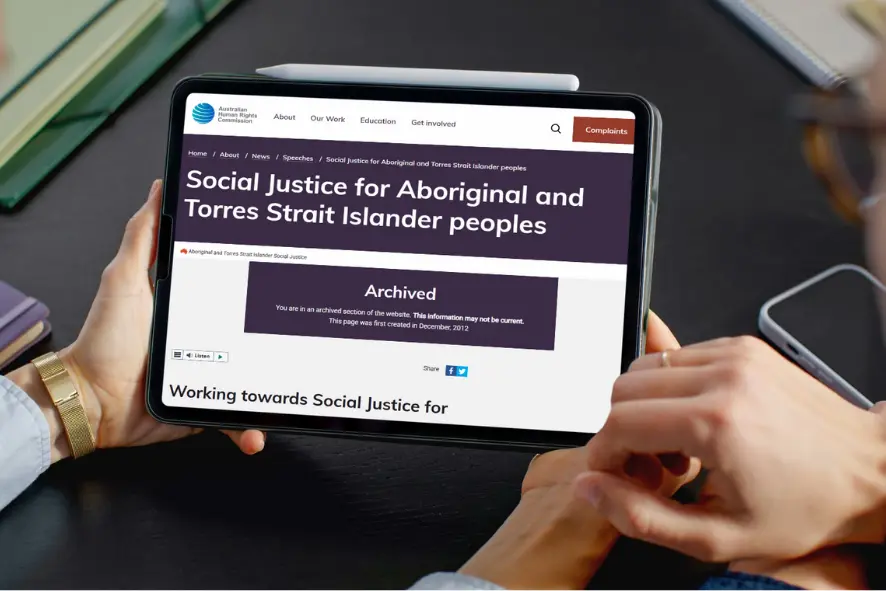
Social Justice for Aboriginal and Torres Strait Islander peoples
This page features speeches and statements that highlight ongoing issues of social justice, self-determination, and rights for Aboriginal and Torres Strait Islander peoples. Delivered by Social Justice Commissioners and First Nations leaders, these pieces offer powerful insights into systemic inequity and the enduring calls for justice, truth-telling, and treaty.
🖤💛❤️ 💚🤍💙
First Nations children deserve a rights-based future, today
In this powerful statement, the Australian Human Rights Commission reaffirms the call for a rights-based approach to supporting First Nations children. Emphasising the importance of culture, connection, and community-led solutions, it advocates for policy and practice that uphold the United Nations Convention on the Rights of the Child and embed equity at every level.
🖤💛❤️ 💚🤍💙
Embedding Aboriginal and Torres Strait Islander perspectives by building relationships
Aligned with the Kindy Uplift priority of Creating culturally safe, inclusive and responsive Kindergarten Programs, this video features Cultural Advisors from the Department of Education sharing insights on how educators can build respectful, trust-based relationships with First Nations children, families, and communities.
🖤💛❤️ 💚🤍💙
Embedding Aboriginal and Torres Strait Islander perspectives starts at the gate
This video supports the Kindy Uplift priority of Creating culturally safe, inclusive and responsive Kindergarten Programs. Cultural Advisors share practical guidance on how embedding First Nations perspectives begins with intentional, respectful practice from the moment families arrive.
🖤💛❤️ 💚🤍💙
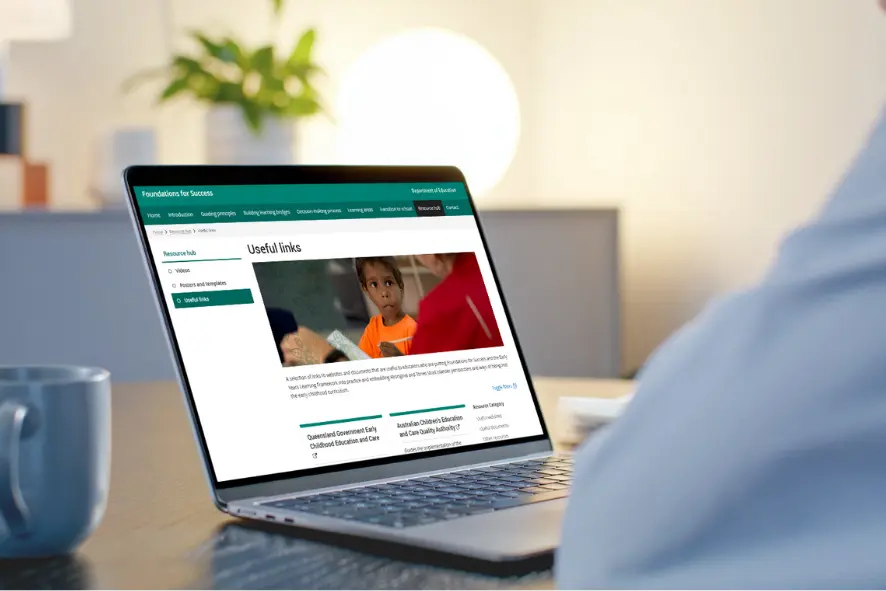
Useful Links - Foundations for Success
This curated list connects educators to a wide range of culturally relevant resources, organisations, and initiatives that support Aboriginal and Torres Strait Islander children’s learning, wellbeing, and cultural identity.
🖤💛❤️ 💚🤍💙
Posters and Templates - Foundations for Success
This collection of downloadable resources includes culturally responsive posters, planning templates, and visual tools designed to support early years educators in embedding Aboriginal and Torres Strait Islander perspectives in everyday practice.
Aligned with the Queensland Kindergarten Learning Guideline and Kindy Uplift priorities, these materials support inclusive, respectful, and strength-based learning environments.
🖤💛❤️ 💚🤍💙
Emerging Minds
Emerging Minds provides evidence-based resources, training, and practice tools to support the social and emotional wellbeing of children and families. With a strong focus on trauma-aware, culturally responsive, and strengths-based approaches, the platform includes resources specifically developed in partnership with Aboriginal and Torres Strait Islander communities.
🖤💛❤️ 💚🤍💙
Possum Skin Pedagogy
This beautifully crafted guide introduces early childhood educators to Possum Skin Pedagogy - an approach centred on cultural knowledge, storytelling, and relationship with Country. Grounded in Victorian Aboriginal ways of knowing, being and doing, the guide offers practical ideas, reflective questions, and insights into respectful, relational pedagogy that honours cultural integrity.
🖤💛❤️
Little Yarns – ABC Kids Listen
Little Yarns is a delightful podcast series introducing children to the diverse languages, cultures, and stories of Aboriginal and Torres Strait Islander peoples. Each short episode invites young listeners to learn a word from Country, hear from First Nations voices, and explore connections to land, language, and community.
🖤💛❤️ 💚🤍💙
First Languages Australia
First Languages Australia works to support and promote the diverse languages of Aboriginal and Torres Strait Islander peoples. This website offers resources, language maps, educational tools, and community projects that highlight the vitality and importance of First Languages across the continent.
🖤💛❤️ 💚🤍💙
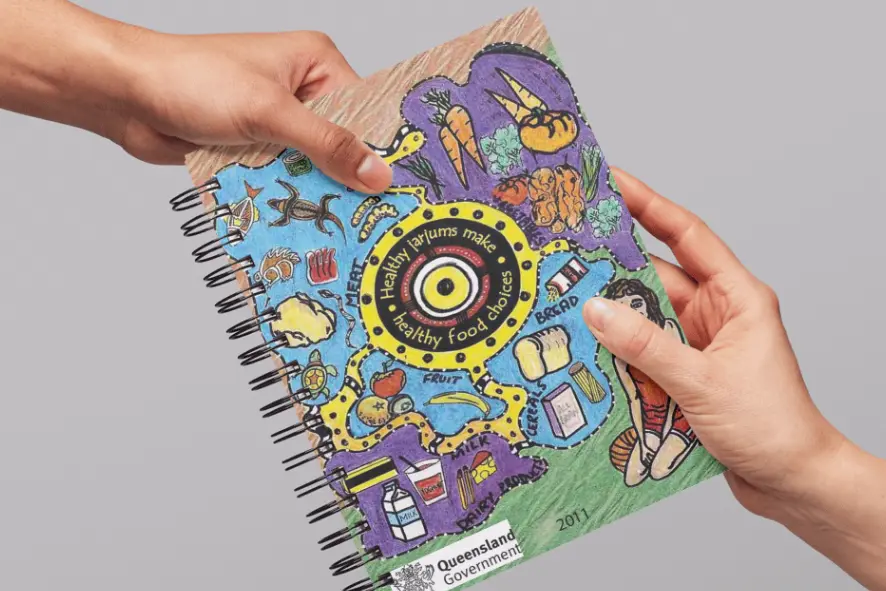
Healthy Jarjums Resources
This culturally responsive resource from Queensland Health promotes healthy eating habits for Aboriginal and Torres Strait Islander children. Using engaging visuals and culturally appropriate messaging, it supports families and educators to nurture strong, healthy jarjums (children) through informed food choices.
🖤💛❤️ 💚🤍💙
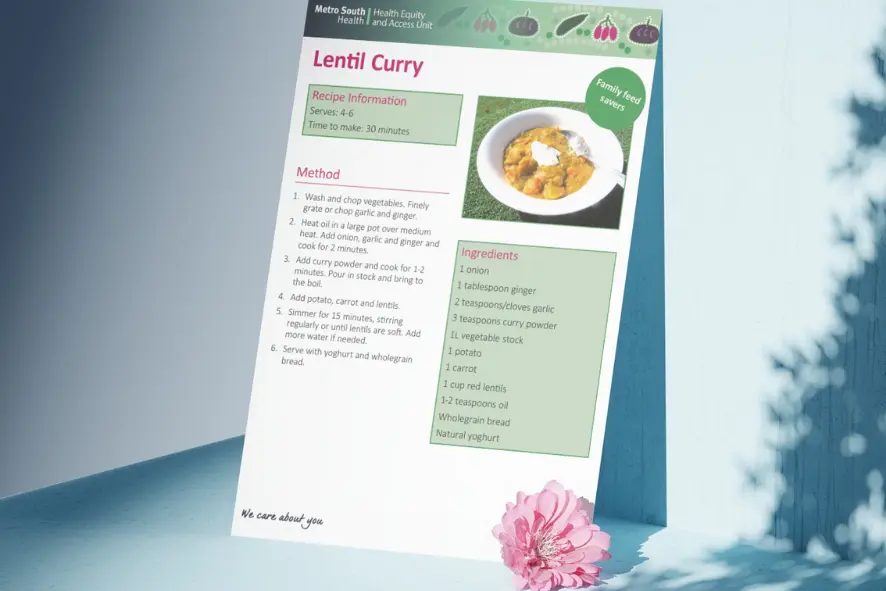
Resources to Build Healthier Communities – Metro South Health (Queensland)
This hub offers culturally relevant health promotion tools designed to support Aboriginal and Torres Strait Islander communities. With a focus on connection, wellbeing, and equity, the resources span nutrition, physical health, mental wellbeing, and community engagement.
🖤💛❤️ 💚🤍💙
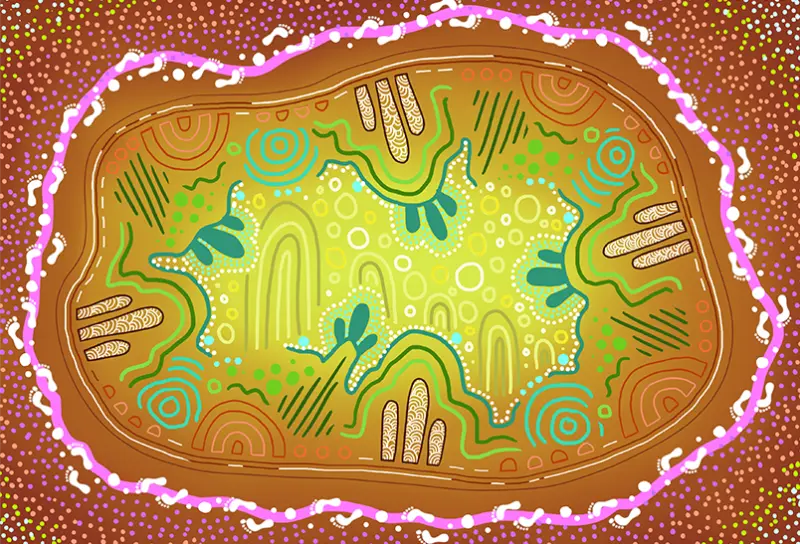
Early Childhood Care and Development Policy Partnership – SNAICC & Closing the Gap
This initiative, led by SNAICC - National Voice for our Children, works in genuine partnership with governments to shape early childhood policies that support Aboriginal and Torres Strait Islander children. Grounded in community voice and cultural knowledge, the partnership advocates for transformative change in early learning, family support, and child development.
🖤💛❤️ 💚🤍💙
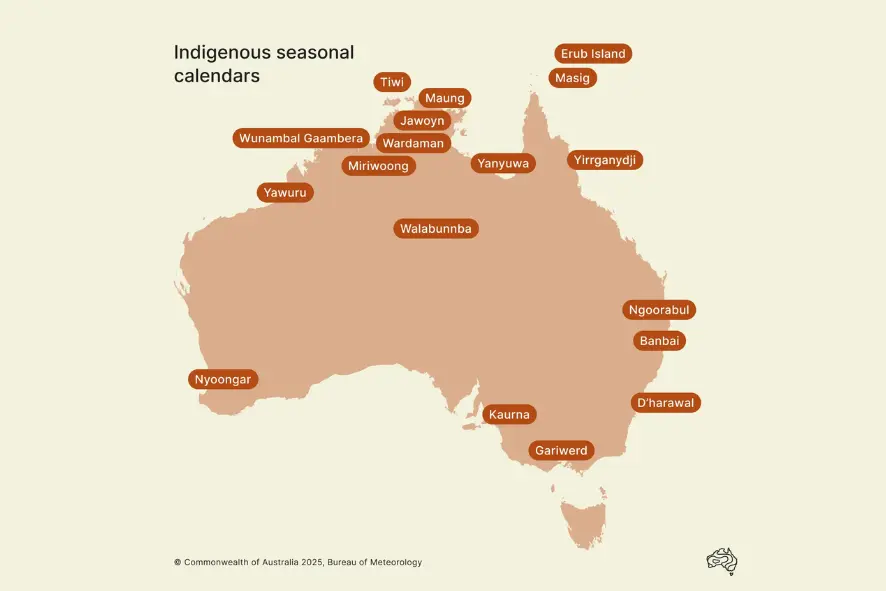
Indigenous Weather Knowledge | Bureau of Meteorology (BoM)
This interactive platform highlights the rich and sophisticated weather and seasonal knowledge held by Aboriginal and Torres Strait Islander communities across Australia. Developed in partnership with First Nations peoples, the resource shares traditional seasonal calendars and stories that reflect deep, place-based understandings of climate, land, and ecology.
🖤💛❤️ 💚🤍💙
Yarrabil: First Nations Songs | ABC Education
This digi-book series celebrates Aboriginal and Torres Strait Islander music, language, and storytelling through song. Yarrabil means “song” in Yugambeh, and this rich resource features songs from First Nations artists across Australia. Each piece is accompanied by lyrics, translations, and cultural context, offering educators a respectful way to bring music and First Nations perspectives into the learning environment.
🖤💛❤️ 💚🤍💙
Yarrabil Bula: First Nations Songs | ABC Education
Yarrabil Bula continues the musical journey of Yarrabil, showcasing a new collection of songs by Aboriginal and Torres Strait Islander artists. Bula means “two” in Yugambeh, representing this second series in the project. With powerful lyrics, language insights, and cultural storytelling, this digi-book deepens understanding of Country, kinship, and identity through song.
🖤💛❤️ 💚🤍💙
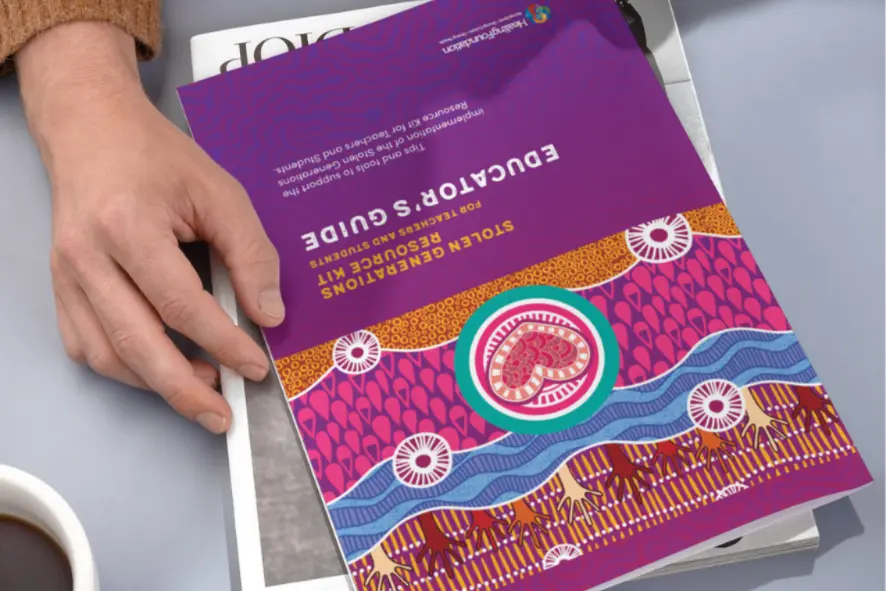
Education Resource Kit - The Healing Foundation
A free, comprehensive resource kit designed specifically for teachers and educators to engage with the true history of Australia. Developed alongside Stolen Generations survivors, these materials support age-appropriate, trauma-aware, and culturally safe teaching that honours truth-telling and healing.
🖤💛❤️ 💚🤍💙