Children’s book
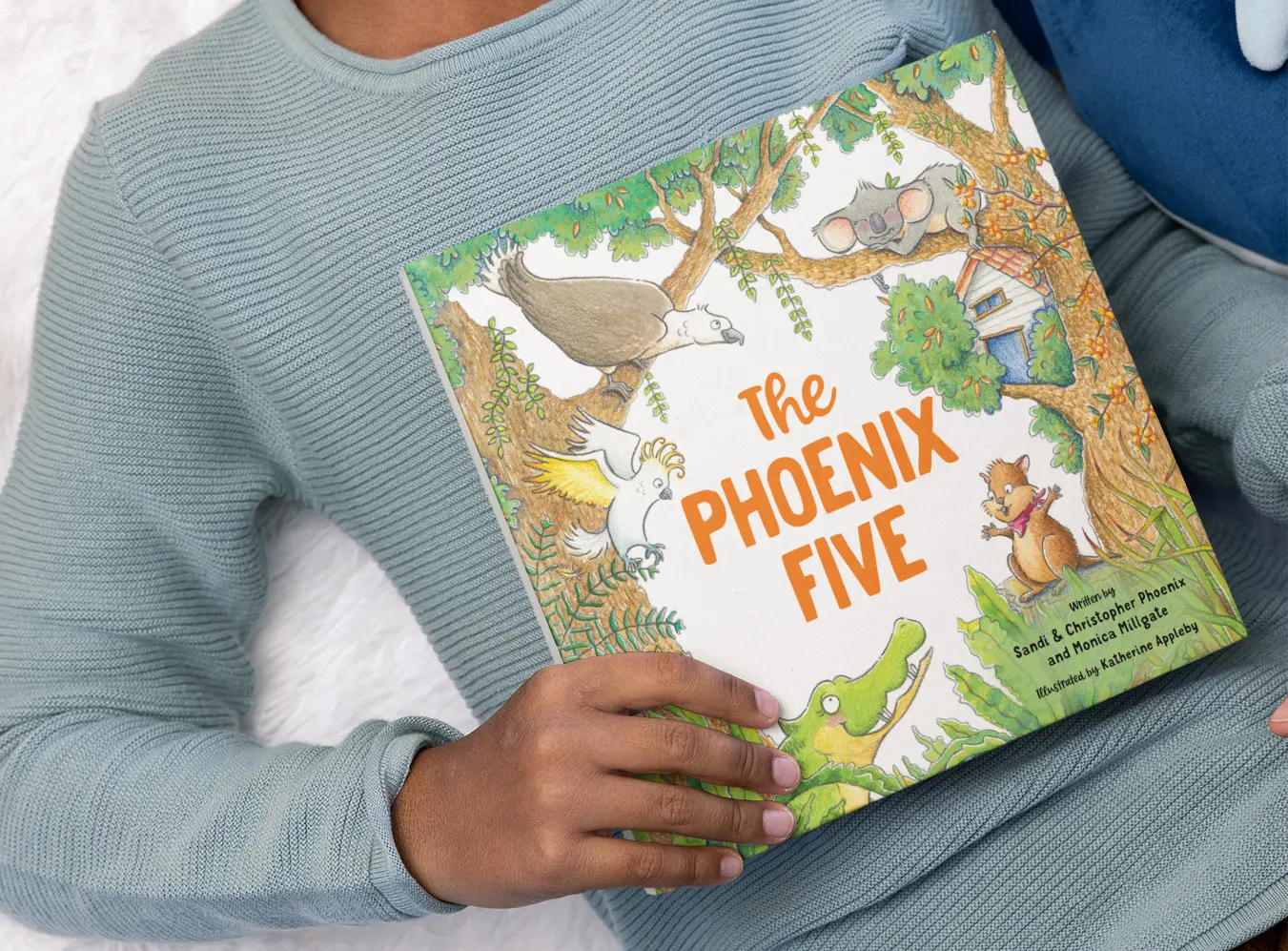
ThePhoenix Fivea children’s book about needs and feelings
Young children find words for what they need through five animal friends and a rhyming story. The adults reading with them get a gentle way into the conversation.
Not sure yet? Read what reviewers say
Children’s book
ThePhoenix Fivea children’s book about needs and feelings
Young children find words for what they need through five animal friends and a rhyming story. The adults reading with them get a gentle way into the conversation.
Not sure yet? Read what reviewers say
Needs Literacy
Words for what children need
The Phoenix Five is a world-first children’s book on Needs Literacy. Every child has needs, and so does every adult who cares for them. In the story, each of five core human needs becomes a character children can get to know.
Through the story, children start building the language to say how they feel, what they need, and why it matters. Sandi Phoenix calls this Needs Literacy: ‘the capacity to recognise, reflect on, and articulate basic human life needs’ (Phoenix, 2025, p. 28).
Research shows that when children understand their needs, they’re better able to regulate emotions, build healthy relationships, and develop self-awareness.
The characters grew from the Phoenix Cups® framework, which Sandi created. Children meet the needs through the story, so nobody has to learn the framework first.
Inside the book
Rhymes, pictures, and notes for grown-ups
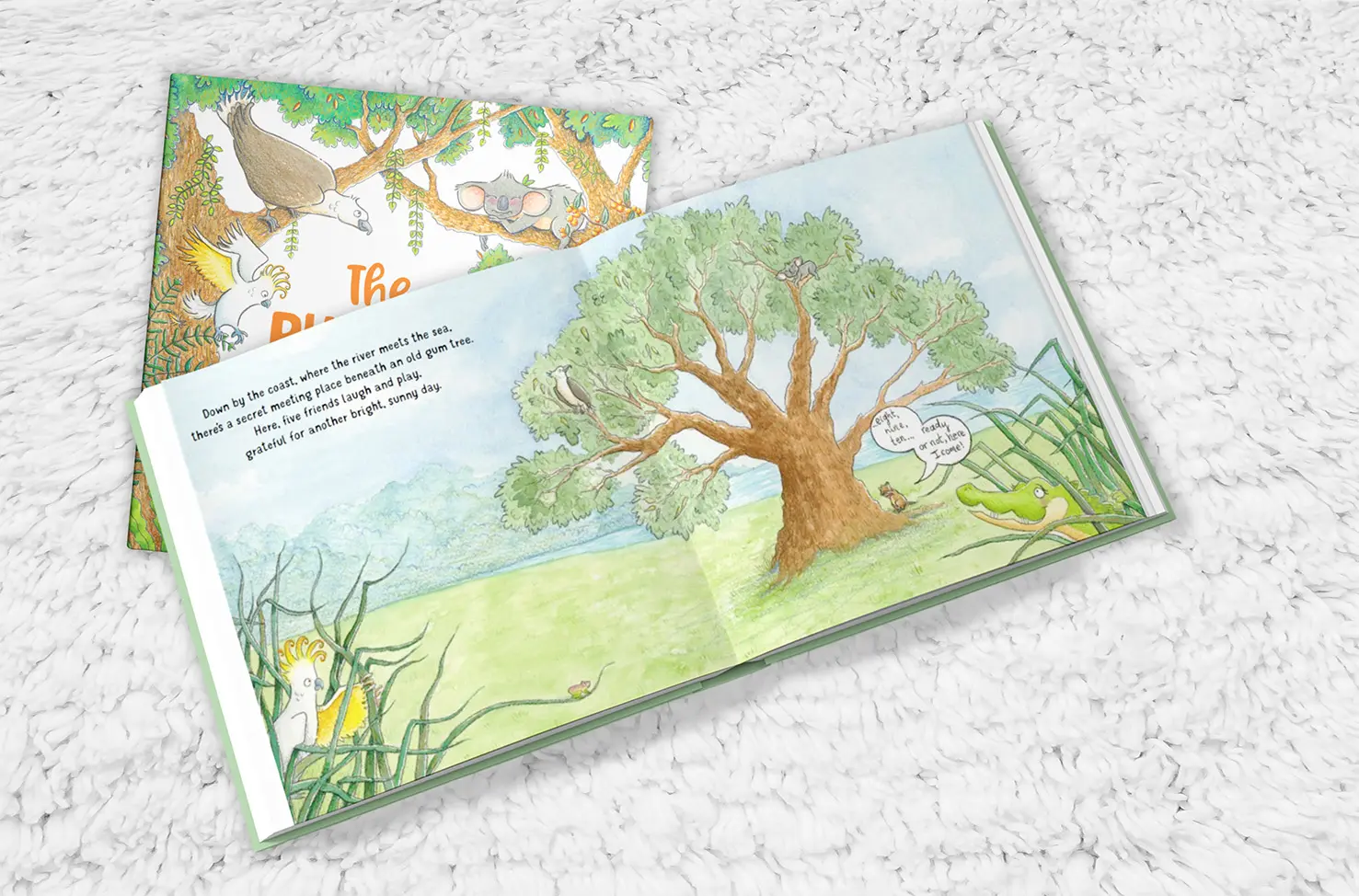
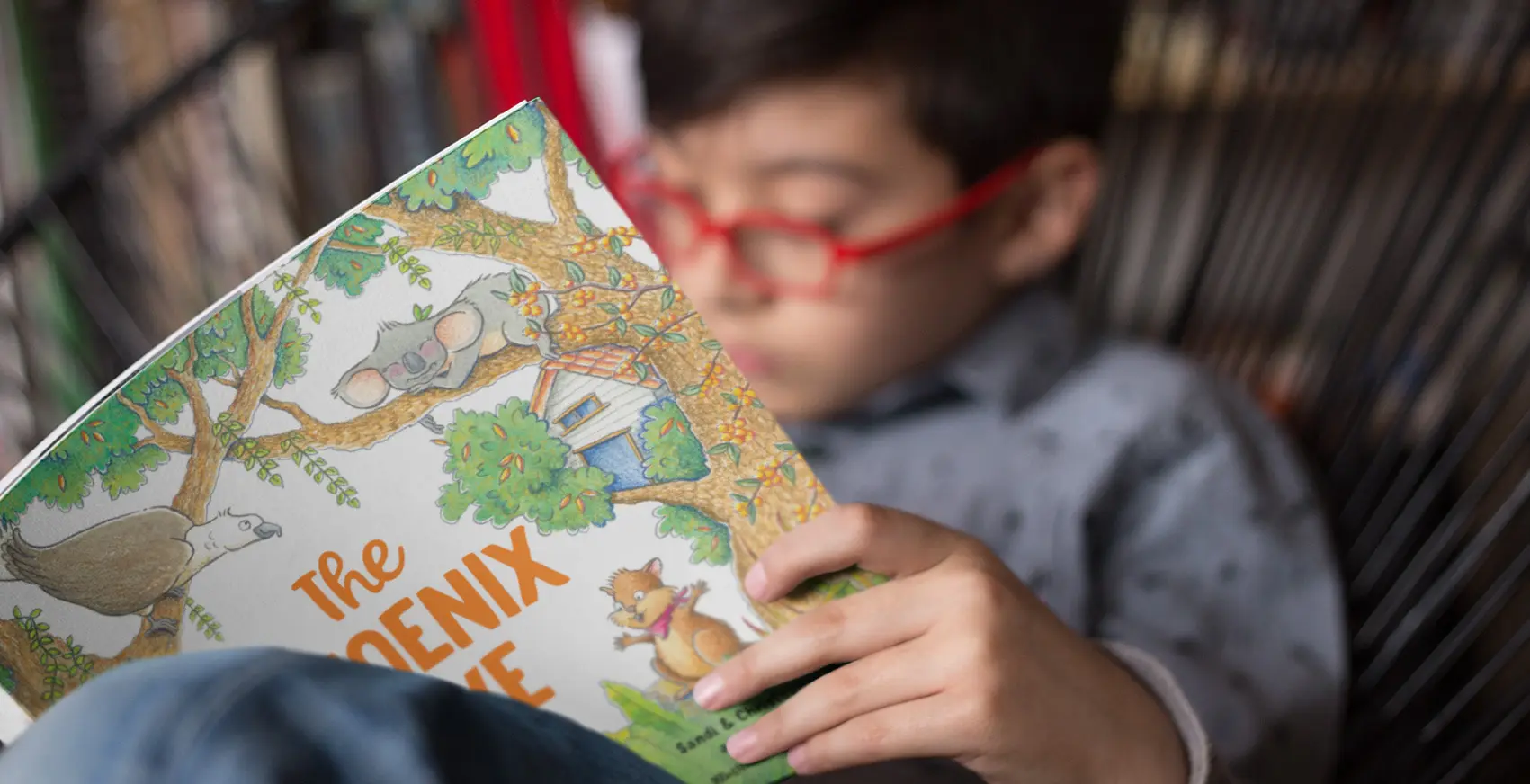
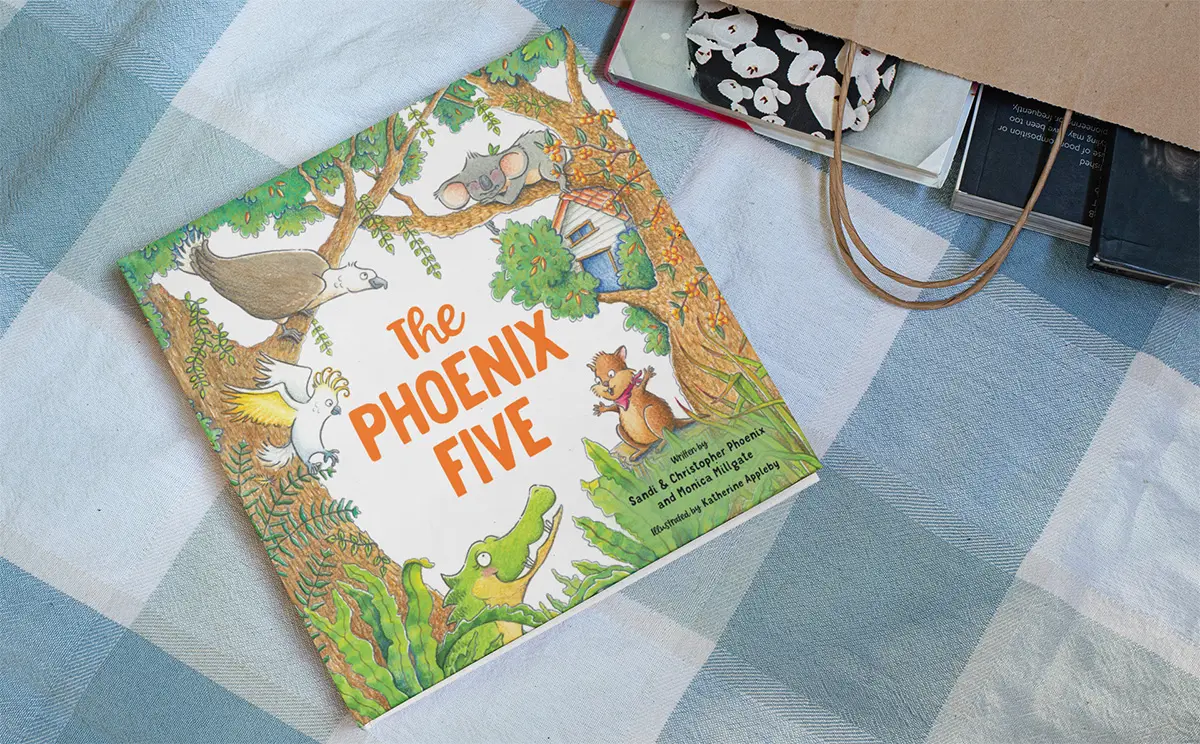
Rhyming verse written for reading aloud, with illustrations by Katherine Appleby of Australian animals in an Australian landscape.
At the back, Educator Notes explain the Needs Literacy thinking behind the story, for the educators, parents, and carers who read it.

Inside the book
Rhymes, pictures, and notes for grown-ups
Rhyming verse written for reading aloud, with illustrations by Katherine Appleby of Australian animals in an Australian landscape.
At the back, Educator Notes explain the Needs Literacy thinking behind the story, for the educators, parents, and carers who read it.
Coming soon
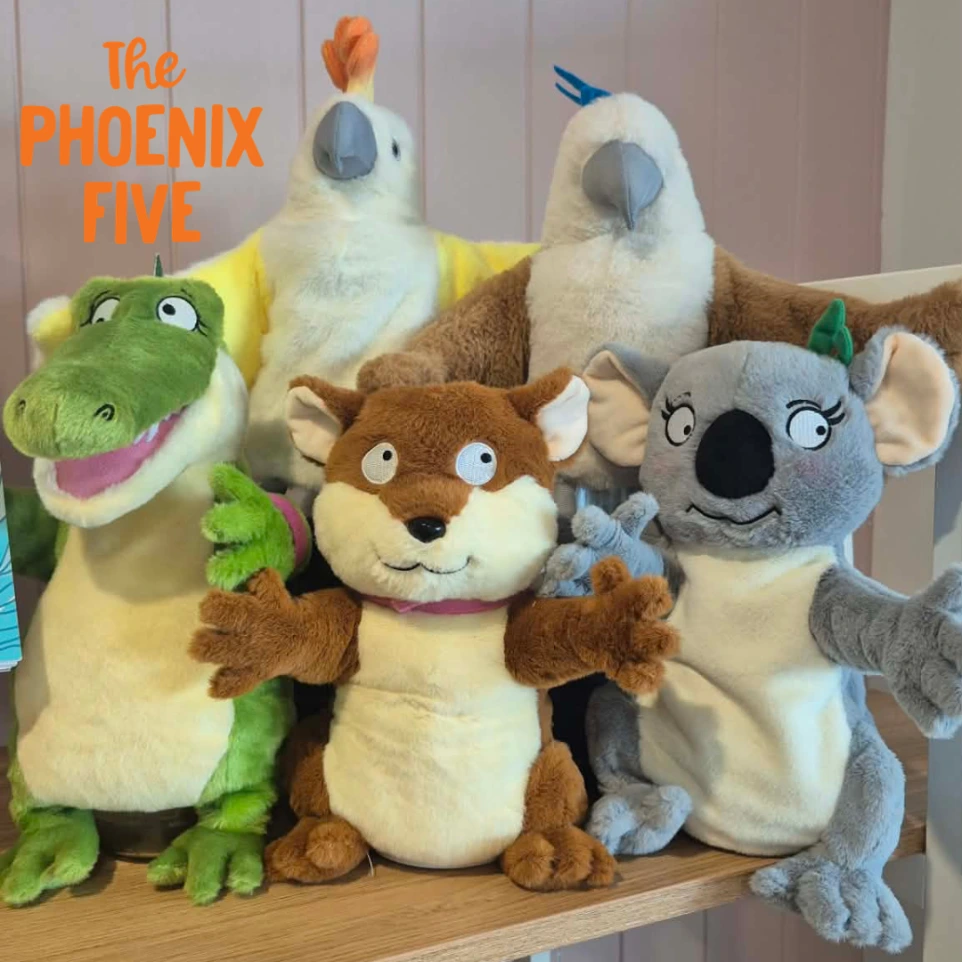
The Phoenix Five puppets are on their way
The five characters from the book are becoming puppets for storytime and play.
Join the waitlist below for news as they arrive, plus early access to order.
Coming soon
The Phoenix Five puppets are on their way
The five characters from the book are becoming puppets for storytime and play.
Join the waitlist below for news as they arrive, plus early access to order.
Join the waitlist
Reviews
What educators and specialists are saying
‘I absolutely love your "needs literacy" approach - it’s something I’ve been advocating forever. ... The Phoenix Five brings to life key human needs in a way that is accessible, engaging, and visually delightful.’
Maggie Dent
‘And who better to guide this important discovery than Sandi and Chris Phoenix, who, true to form, have developed a beautiful resource that is researched, thoughtful, heartfelt and full of joy.’
Kaylene Henderson, child psychiatrist and parenting specialist
‘What stood out was the underpinning play-based pedagogical approach of the book, that is, complex concepts are presented in a manner that children will be drawn to.’
Michele Peden, Goodstart Early Learning
‘With its rhyming text and characters that youngsters can relate to and appealing illustrations that could be Anywhere, Australia, at first glance this appears to be just another story for little ones about how they can work together to achieve something that they couldn't do by themselves, but the Educator Notes at the back take the adult reader much deeper, explaining the philosophy of "Needs Literacy" that underpins the story.
For decades, educators have known, understood and applied William Glasser's Choice Theory that is founded on the premise that each of us, as humans, have five basic innate needs - the physical need to survive and the psychological needs of love and belonging, power, freedom, and fun - and that our behaviour at any given time is determined by the need to satisfy one or more of these, even if the choice impacts others. However, while adults might understand the impetus that drives the challenging behaviour they encounter from children, the child itself doesn't yet have the words, understanding and logic to articulate their need so physical actions and emotional outbursts become their only way to express their frustration. So this book, based on The Phoenix Cup philosophy, becomes a starting point to help them begin to understand what their particular, individual strengths and needs are so that as they mature, their experiences broaden and their language develops they can start to choose and modify their behaviours.
Currently, not a day goes by when news bulletins are not peppered with stories of violence, particularly amongst young people, and violence against teachers especially by primary-school aged children, is becoming alarming so clearly there is a need in both home and school to teach children to recognise what is driving their emotions and how to manage these better. While it might take some time to work through the system, this book is another weapon in the mindfulness arsenal we can draw on.’
Barbara Braxton, teacher librarian
Reviews
What educators and specialists are saying
‘I absolutely love your "needs literacy" approach - it’s something I’ve been advocating forever. ... The Phoenix Five brings to life key human needs in a way that is accessible, engaging, and visually delightful.’
Maggie Dent
‘And who better to guide this important discovery than Sandi and Chris Phoenix, who, true to form, have developed a beautiful resource that is researched, thoughtful, heartfelt and full of joy.’
Kaylene Henderson, child psychiatrist and parenting specialist
‘What stood out was the underpinning play-based pedagogical approach of the book, that is, complex concepts are presented in a manner that children will be drawn to.’
Michele Peden, Goodstart Early Learning
‘With its rhyming text and characters that youngsters can relate to and appealing illustrations that could be Anywhere, Australia, at first glance this appears to be just another story for little ones about how they can work together to achieve something that they couldn't do by themselves, but the Educator Notes at the back take the adult reader much deeper, explaining the philosophy of "Needs Literacy" that underpins the story.
For decades, educators have known, understood and applied William Glasser's Choice Theory that is founded on the premise that each of us, as humans, have five basic innate needs - the physical need to survive and the psychological needs of love and belonging, power, freedom, and fun - and that our behaviour at any given time is determined by the need to satisfy one or more of these, even if the choice impacts others. However, while adults might understand the impetus that drives the challenging behaviour they encounter from children, the child itself doesn't yet have the words, understanding and logic to articulate their need so physical actions and emotional outbursts become their only way to express their frustration. So this book, based on The Phoenix Cup philosophy, becomes a starting point to help them begin to understand what their particular, individual strengths and needs are so that as they mature, their experiences broaden and their language develops they can start to choose and modify their behaviours.
Currently, not a day goes by when news bulletins are not peppered with stories of violence, particularly amongst young people, and violence against teachers especially by primary-school aged children, is becoming alarming so clearly there is a need in both home and school to teach children to recognise what is driving their emotions and how to manage these better. While it might take some time to work through the system, this book is another weapon in the mindfulness arsenal we can draw on.’
Barbara Braxton, teacher librarian

Who it’s for
Designed for young minds, loved by grown-up hearts
- Families looking for a gentle way to talk about feelings and needs at home
- Educators in education and care services, for group reading and one-to-one moments
- Readers who enjoy In My Heart by Jo Witek and Listening to My Body by Gabi Garcia
- Humans aged 0 to 100+ (yes, all of them)
With children under about seven, the five characters carry the ideas. From about seven, once children use symbols such as letters and numbers with confidence, the Phoenix Cups analogy can take over as shorthand.
The authors
Meet the people behind the story

Sandi Phoenix
Managing Director, Phoenix Support for Educators
Sandi Phoenix founded Phoenix Support for Educators to help make the world better for children, and the grown-ups who care for them. Blending her background in education and psychology, she created the Phoenix Cups framework, now used by educators worldwide.
Through stories, workshops, and tools, Sandi shares her passion for filling Cups, and this book is her way of bringing heart, wisdom, and a little fun to children and their grown-ups.

Christopher Phoenix
Storyteller and wellbeing specialist
Christopher Phoenix is a storyteller, philosopher, and the wellbeing specialist behind the Phoenix Cups. He co-authored The Phoenix Cups: A Cup Filling Story and now travels far and wide, sharing Cup-filling wisdom through workshops and entertaining keynotes.
Christopher blends deep thinking with big laughs, using fun and curiosity to explore how we can all live more fulfilling lives.

Monica Millgate
Children’s writer
Monica Millgate is an emerging writer from Canberra, Australia. Her writing journey began at 13, when she received an encouragement award in a Sydney Morning Herald competition.
In 2002, she joined the scriptwriting team for the very first season of Hi-5 (how cool is that?). Passionate about writing for children, Monica is the author of Your Mighty Magnificent Mind, a celebration of big feelings, brilliant brains, and boundless potential.
Illustrated by Katherine Appleby
The authors
Meet the people behind the story
Sandi Phoenix
Managing Director, Phoenix Support for Educators
Sandi Phoenix founded Phoenix Support for Educators to help make the world better for children, and the grown-ups who care for them. Blending her background in education and psychology, she created the Phoenix Cups framework, now used by educators worldwide.
Through stories, workshops, and tools, Sandi shares her passion for filling Cups, and this book is her way of bringing heart, wisdom, and a little fun to children and their grown-ups.
Christopher Phoenix
Storyteller and wellbeing specialist
Christopher Phoenix is a storyteller, philosopher, and the wellbeing specialist behind the Phoenix Cups. He co-authored The Phoenix Cups: A Cup Filling Story and now travels far and wide, sharing Cup-filling wisdom through workshops and entertaining keynotes.
Christopher blends deep thinking with big laughs, using fun and curiosity to explore how we can all live more fulfilling lives.
Monica Millgate
Children’s writer
Monica Millgate is an emerging writer from Canberra, Australia. Her writing journey began at 13, when she received an encouragement award in a Sydney Morning Herald competition.
In 2002, she joined the scriptwriting team for the very first season of Hi-5 (how cool is that?). Passionate about writing for children, Monica is the author of Your Mighty Magnificent Mind, a celebration of big feelings, brilliant brains, and boundless potential.
Illustrated by Katherine Appleby
Where it began
Children named the needs first
The Phoenix Five grew from an action research project at Rosie’s Early Learning. The educators there were using the Phoenix Cups framework and wondered how the ideas might sit with children aged 1 to 5.
Through play, creative expression, and conversation, the children turned needs into characters of their own. That seed became The Phoenix Five, a storybook co-developed with the Phoenix Support for Educators team.
Sandi Phoenix sees the book as one possible pathway for bringing the language of needs into education and care, through everyday conversation and shared reading.
Source: Sandi Phoenix, Educating Young Children, Vol 31, No 3, 2025, p. 28. Read the article on Informit
Where it began
Children named the needs first
The Phoenix Five grew from an action research project at Rosie’s Early Learning. The educators there were using the Phoenix Cups framework and wondered how the ideas might sit with children aged 1 to 5.
Through play, creative expression, and conversation, the children turned needs into characters of their own. That seed became The Phoenix Five, a storybook co-developed with the Phoenix Support for Educators team.
Sandi Phoenix sees the book as one possible pathway for bringing the language of needs into education and care, through everyday conversation and shared reading.
Source: Sandi Phoenix, Educating Young Children, Vol 31, No 3, 2025, p. 28. Read the article on Informit
Get your copy
Add this children’s book to your shelf
The Phoenix Five is $26.95, with Educator Notes in every copy.
Get your copy
Add this children’s book to your shelf
The Phoenix Five is $26.95, with Educator Notes in every copy.