Families, Your Child's Educators are Using the Phoenix Cups® Framework
So, your educators mentioned the Phoenix Cups Framework. What does that actually mean for your child?
It means their educators have trained with Phoenix Support to understand behaviour differently, not as something to manage or correct, but as a signal that a need isn't being met. Instead of rewards, consequences or behaviour charts, educators are learning to notice what's underneath a child's behaviour and to help meet that need directly.
What is the Phoenix Cups®?
Every behaviour is an attempt to meet a need. That's the idea underneath the Phoenix Cups Framework.
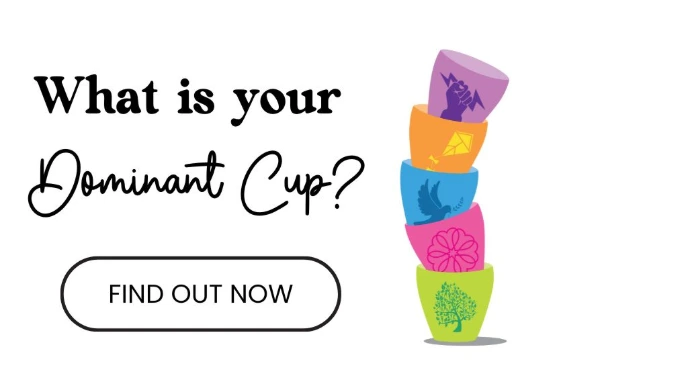
We picture those needs as five Cups: the Safety Cup®, Connection Cup®, Mastery Cup®, Freedom Cup® and Fun Cup®. Every person has their own unique Cups profile, some of us need more Connection to feel settled, others need more Mastery or Freedom. There's no right shape, only your own.
When a Cup starts emptying, we're motivated to fill it again, this is the Will to Fill™. A full or filling Cup shows up as a strong sense of wellbeing. An emptying Cup often shows up as behaviour that looks challenging on the surface, but is really just a need asking to be met.
For educators, this means looking past the behaviour itself to ask: which Cup is running low here, and how can we help fill it?
What does this look like day to day?
This doesn't mean there are no limits, and it doesn't mean challenging moments disappear. Boundaries stay in place, children still need them to feel safe.
What changes is the response. Instead of reaching for a reward or a consequence, educators pause to ask what's driving the behaviour in this moment. Sometimes that means holding a boundary firmly while also helping a child feel understood. Sometimes it means noticing a child is overwhelmed, tired or disconnected, and adjusting the environment before behaviour becomes a problem at all.
The goal isn't compliance. It's helping children build the skills to meet their own needs in healthier ways over time.

A lens for home, not just the classroom
Behaviour is information. It tells us something about which Cup, Safety, Connection, Mastery, Freedom or Fun, might be running low, and points to how we can help fill it.
This isn't only a professional practice. It's something you can use at home too. Next time your child's behaviour has you stumped, try pausing and asking: what need might be running low right now, and how can we help fill it?
You might be surprised how often the answer isn't about the behaviour at all.
Want to go deeper?
Ready to build a habit?
Try the Phoenix Cups 101, complete with family-friendly plan of small daily activities.
Teaching, Not Training
What does it really mean to support children’s development? This thought-provoking blog explores the difference between teaching and training - and why it matters for your child. Discover how respectful, relationship-based guidance nurtures children’s curiosity, agency and self-worth, rather than simply expecting compliance.
A valuable read for any parent wanting to better understand the 'why' behind their child’s behaviour and how to respond in ways that build skills and connection.

Be in the know

Have a sneak peek at Sandi's chapter in this book - Parents this is the one thing you need to know - on Connection Seeking. Any parent knows raising kids can be as confusing, challenging and maddening as it is profoundly life-affirming. We can't possibly have all the answers, all the time, but there are some parts of parenting you absolutely should not drop the ball on.

PakMag interviewed Sandi about the Phoenix Cups and parenting. You can listen to it here.
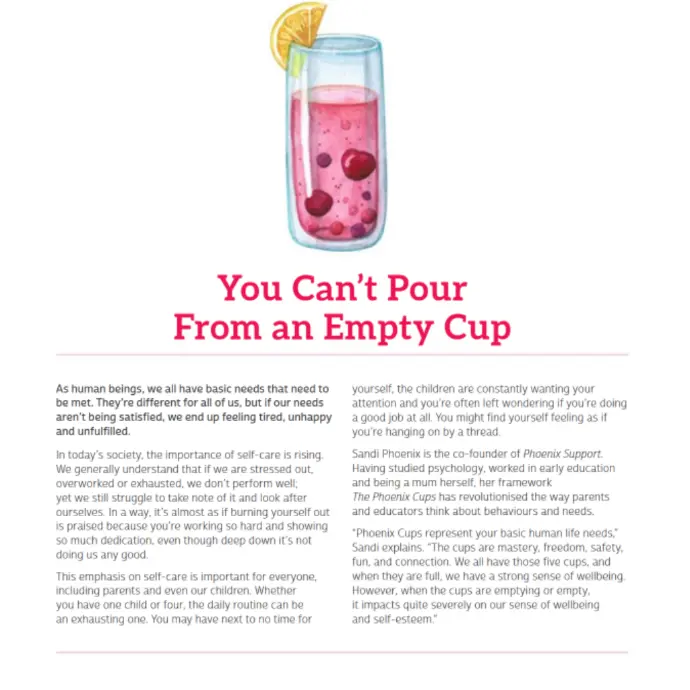
An article by PakMag, parenting magazine, about the Phoenix Cups. As human beings, we all have basic needs that need to be met. They’re different for all of us, but if our needs aren’t being satisfied, we end up feeling tired, unhappy and unfulfilled.
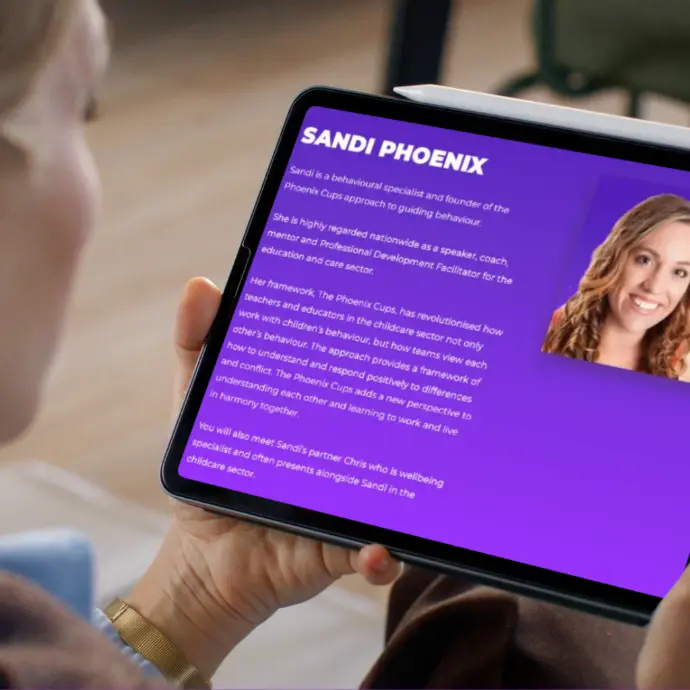
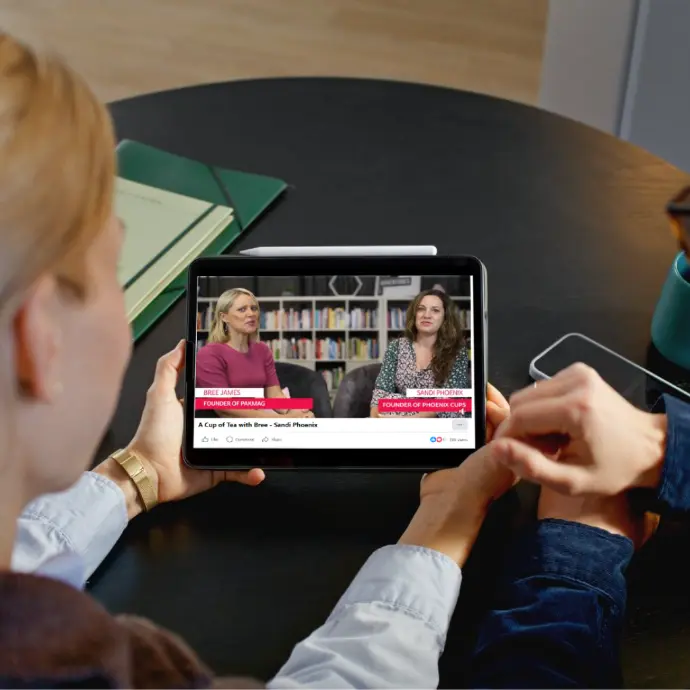
Sandi is a behaviour specialist and founder of the Phoenix Cups approach to guiding behaviour. Watch her series of videos on Parent TV.
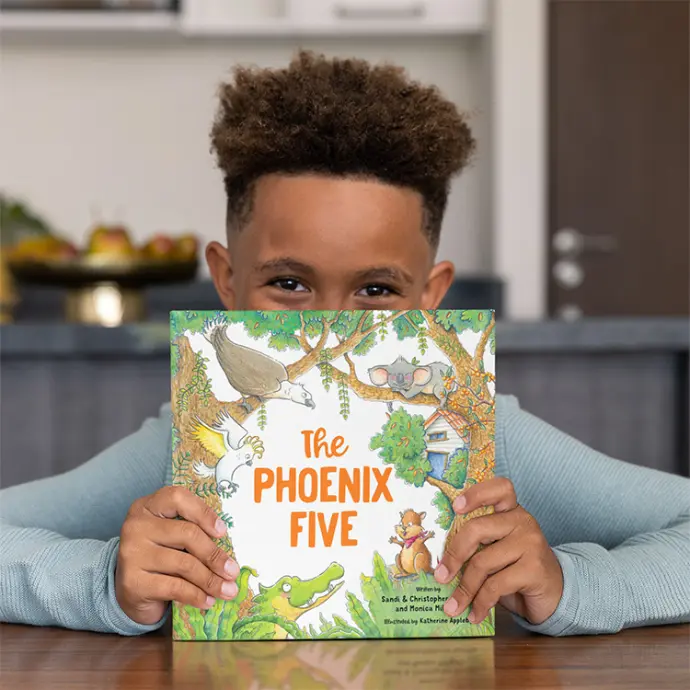
A beautifully illustrated story introducing children to the five essential life needs; Safety, Connection, Freedom, Mastery, and Fun. Inspired by the Phoenix Cups® Framework, The Phoenix Five helps children (and families) recognise their needs and express them with confidence.
More than a story; it’s a gentle start to needs literacy and lifelong wellbeing.
Created by Sandi & Christopher Phoenix, and Monica Millgate. Illustrated by Katherine Appleby.

A common-sense guide to raising happy, healthy kids – from toddlers to tweens
From the queen of commonsense parenting and host of the popular ABC podcast Parental as Anything comes the ultimate guide to raising happy, healthy kids – from toddlers to tweens
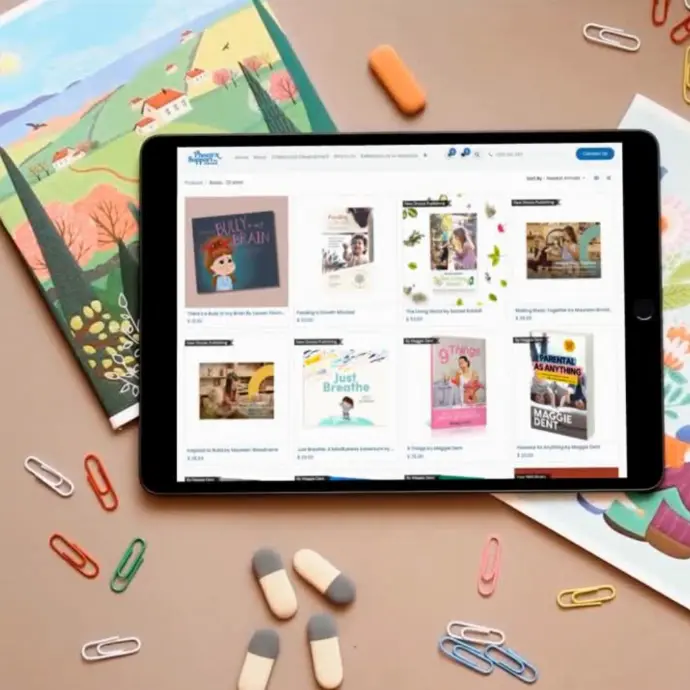
Explore our carefully curated collection of books designed to nurture connection, build emotional resilience, and support your family’s wellbeing. Whether you're just beginning or deep into the parenting path, you'll find empowering resources grounded in needs-based, compassionate practice.
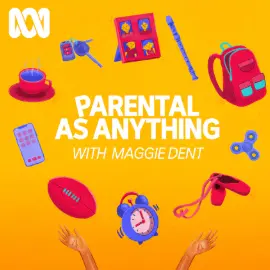
Parental As Anything – with Maggie Dent
Join parenting author and educator Maggie Dent as she dives into the big (and little) challenges of raising kids. With warmth, wisdom and real-life tips, this podcast supports you through everything from toddler tantrums to teenage moods. It's all about helping your child grow up feeling secure, connected and confident - and reminding you that you're doing a great job, even on the tough days.
You'll also find insights that support your child’s emotional wellbeing and strengthen your family relationships.