OWNA Learning tags by Phoenix Support for Educators
Welcome! This page supports OWNA documentation using Phoenix Support / Phoenix Cups
®
learning tags, for educators and the families they share them with.
Educators -
If you’re adding Phoenix Cups
®
tags to stories or plans, this page gives you a clear, educator-friendly description of what this tag means, what it can look like in children’s learning and behaviour, and wording you can use in documentation. You can also share this page with families through OWNA, so when they click the tag they get a simple explanation of what you’re noticing and how you’re supporting it.
Families -
If you’re here, it’s because your child’s educators have used a Phoenix Cups
®
tag in a OWNA story or plan. The Phoenix Cups
®
is a simple framework that helps adults make sense of what children need in the moment - and how we can support those needs in healthy, practical ways. Below, you’ll find a plain-language explanation of this tag, along with examples of what it can look like and what your educators might be building or supporting.

The Phoenix Cups®
The Phoenix Cups® is a framework grounded in positive psychology, wellbeing science, philosophy and neuroscience, used to understand what children (and adults) need for their wellbeing, and why they behave the way they do. We use five “Cups” to represent five basic human needs: Safety Cup®, Connection Cup®, Freedom Cup®, Mastery Cup®, and Fun Cup®. When a Cup is empty or emptying, children are driven to fill it - that’s the Will to Fill™, and it can sometimes look like big feelings or tricky behaviour. Over time, with support and practice, children learn more helpful ways to meet the same needs - that’s the Skill to Fill™. Our curriculum planning and the ways in which we engage with children are guided by our belief that programs should be Cup-filling, understanding the Will to Fill, whilst assisting children to develop the Skill to Fill.
Read more here...
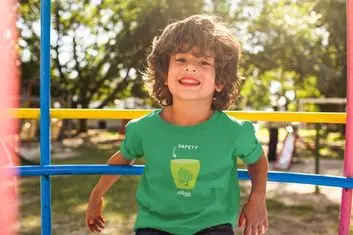
Safety Cup®
The Safety Cup represents the need for children to feel safe in their bodies, their minds and safe in their world. It includes physiological safety (food, water, rest, health, being protected from harm), and psychological safety (predictability, trust, steadiness, and feeling secure). When a child’s Safety Cup is empty or emptying, the Will to Fill™ can look like big reactions, clinginess, safety-seeking through repetitive reassurance, or shutting down entirely - their nervous system is trying to get them back to “safe and secure”. With steady support, children build the Skill to Fill™ over time through predictable rhythms and rituals, co-regulation with a trusted adult, and small moments of safety that help them return to calm and security.

Connection Cup®
The Connection Cup motivates us to connect with and feel safe with other people. It’s filled through love, friendship, being seen and understood, and having a place where you matter and belong. When this Cup is emptying, the Will to Fill™ can look like “connection seeking”, clinginess, withdrawing, or big feelings, because your child’s brain is driving them back towards closeness and reassurance. Over time, children build the Skill to Fill™ as they learn more effective ways to reach for connection, cope with separation, and keep relationships strong, even when they’re upset.
Freedom Cup®
The Freedom Cup represents a child’s need for autonomy, choice, space, and self-direction - that feeling of “I get some say here.” When this Cup is full, children experience a sense of autonomy and manage everyday demands without feeling controlled or trapped. When it’s emptying, the Will to Fill can look like a strong “no”, resistance, bargaining, or doing the opposite of what’s asked, because even small demands can feel stifling. Over time, children build the Skill to Fill when adults consistently offer respectful and genuine choices, find ways to ensure children have regular input, and support self-expression (including creativity, imagination, and uninterrupted play) so they can meet their need for freedom with clarity around boundaries.
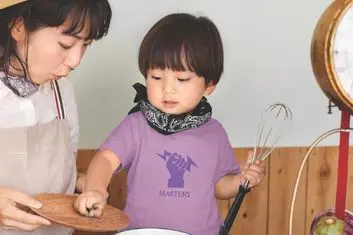
Mastery Cup®
The Mastery Cup motivates a child to feel capable and competent. It’s filled through trying, practising, achieving, succeeding, developing skills, and having some control over what they can do in their world. When this Cup is emptying, the Will to Fill can look like frustration, perfectionism, refusing help, giving up quickly, or needing to control small things. A child’s behaviour can indicate how competent they feel, or want to feel, like - “I can do it myself!” Over time, children build the Skill to Fill when adults slow down enough to let them try, break tasks into achievable steps, acknowledge effort & persistence (instead of just the finished product), and support them to stick with something long enough to feel that flicker of competence.

Fun Cup®
The Fun Cup represents the need for play, interest, novelty, humour, and enjoyment. It’s the part of your child that wants to learn because it’s fascinating, play for hours, explore something new, and do things simply because they’re fun. When this Cup is emptying, the Will to Fill can look like silliness, sometimes at the “wrong” time, constant movement, risk-taking, or pushing for more excitement, because their brain is chasing that spark of joy and interest. Over time, children build the Skill to Fill when adults protect, advocate for, and celebrate time for play, create safe ways to take healthy risks, and help children find fun that feels good for them and for everyone around them.
Skill to Fill ™
Skill to Fill is what children learn over time, the behaviours they can use to meet their needs in healthier, steadier ways. The Skill to Fill are the choices you build (and practise) so your needs get met in ways that actually support your wellbeing. These skills are behaviours, and also include both actions and thoughts. When the Skill to Fill is still developing, we often reach for quick relief (like junk food, scrolling, or making big impulsive moves). As we get more skilled, we start noticing signals of an empty Cup earlier and learn to create small plans that create real fulfilment and the belief in our abilities. Skill to Fill is what happens when we stop relying on “whatever works right now” and start building patterns that support our wellbeing by efficiently and effectively meeting our needs (filling our Cups). We use play-based learning and intentionality to directly support children to develop Skill to Fill.
Examples of Skill to Fill learning goals can be found in every learning outcome page of the Early Years Learning Framework (EYLF). The EYLF is the framework that educators use to plan, extend, and enrich your child’s learning. For example, learning outcome 1 (EYLF V2 p.31) includes Skill to Fill learning goals such as:
· To have a strong sense of identity (Skill to Fill the Freedom Cup and Connection Cup)
· To learn to interact in relation to others with care, empathy and respect (Skill to Fill the Connection Cup)
· To seek and connect with adults they trust to share their accomplishments and communicate their needs for comfort and assistance (Skill to Fill their Safety Cup and Connection Cup)
· To be able to confidently explore and engage with social and physical environments through relationships and play (Skill to Fill their Mastery Cup)
The Will to Fill ™
The Will to Fill is the empty part of a Cup - the motivation that drives a child to meet a need when it isn’t being met. When a need is already met, we barely notice it (children aren’t thinking “I need connection” when they’ve had a good, connected day - they just feel fine). When a Cup is emptying, the Will to Fill gets louder, and it can show up as big feelings or behaviours, because their brain is pushing them towards what they need. As attuned, responsive educators, we are learning to identify children’s Will to Fill and respond with consistent nurturing and understanding. If the Cup gets very empty, children can slip into a stress response (fight, flight, freeze). A stress response like this is a sign that the need is urgent, and they need support from trusted adults to refill and reset.
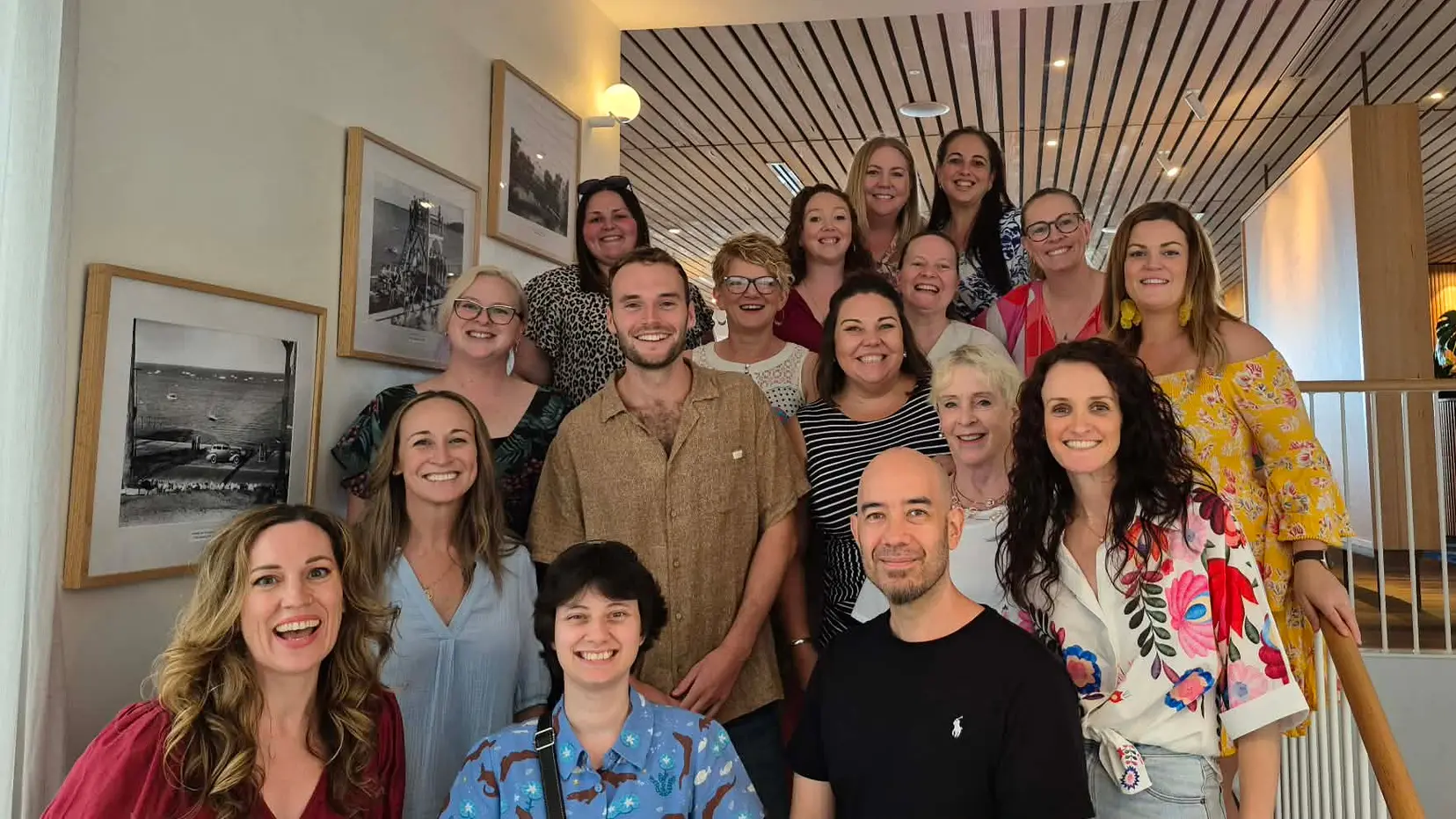
Phoenix Support
Phoenix Support for Educators Pty Ltd is a team of experienced and qualified education and care consultants working across Australia (and beyond), with team members based in Queensland, New South Wales, and Victoria. We support early childhood and school-age education communities through professional development, coaching and mentoring, and practical resources. We work alongside educators and leaders to strengthen practice in behaviour guidance and children’s development, child and educator wellbeing, inclusion, pedagogy, quality improvement, documentation and learning inquiry - drawing on contemporary education research, evidence, neuroscience and psychology, with a strengths-based approach.
Ready to dive deeper?
Check out Sandi Phoenix's Keynote Presentation at the 2025 OWNA Meetup