From Behaviour Management to Fostering Wellbeing | Phoenix Support For Educators
Skip to Content
Keynote

From Behaviour Management to Fostering Wellbeing

When behaviour management isn't working

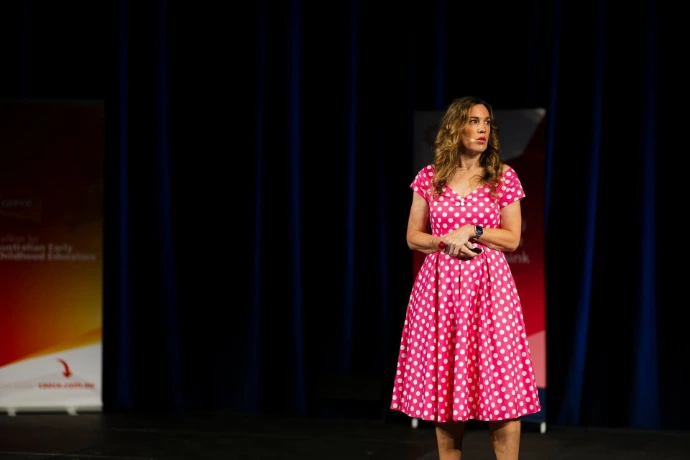
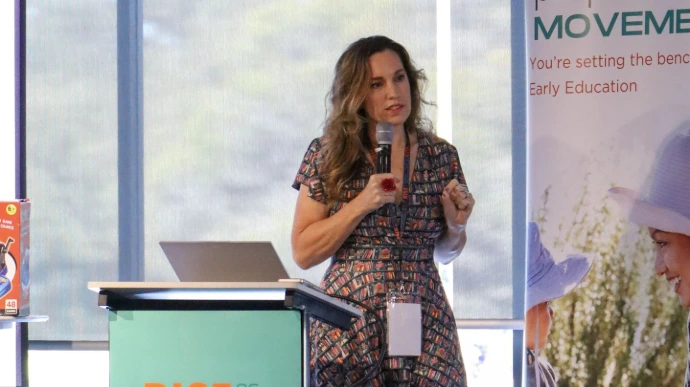
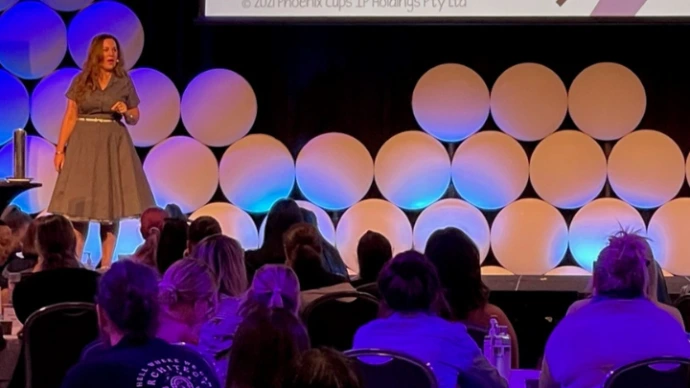
🎤 Conference stage
🏫 Sector event
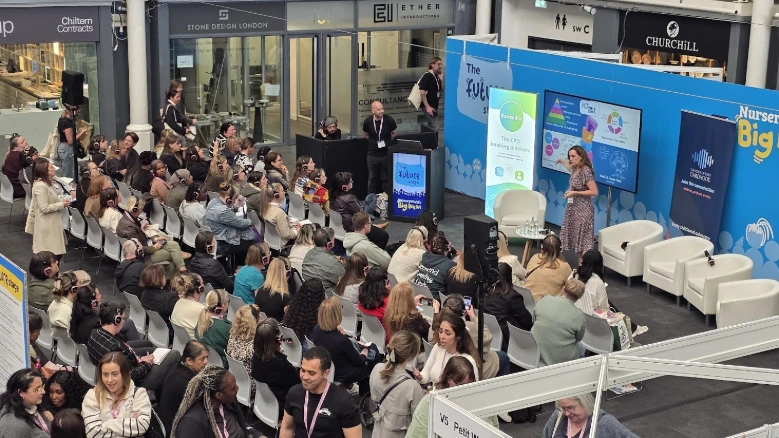
👥 Large audience


Speaker| Overview| Key Takeaways| We'll Explore| Participant Outcomes| The Evidence Base| Testimonials| Get the Speaker One-Pager


Sandi Phoenix

BPsychSc, GradCertProfSt, GradCertHM&Neuro, CertIVTAE

Managing Director at Phoenix Support for Educators.

Sandi has been described as being able to open or close a conference with a 'bang'. Her presentations can be on the topic of behaviour (adult or child), psychology in education and care, or leadership, with important messages pulled together through story. Sandi delivers keynotes, workshop breakouts, panels, and MC.
Overview

In Short

A reflective, research-informed keynote that reframes behaviour as an attempt to meet a need, and shows educators how to move from writing behaviour plans to planning for wellbeing and fulfilment. Sandi's signature session.

The Bigger Picture

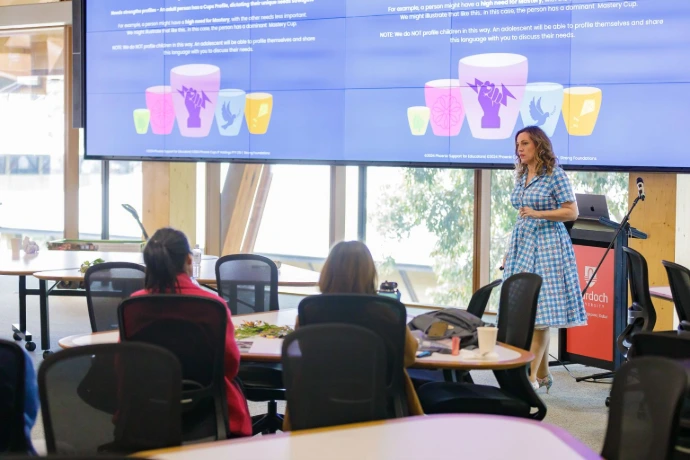
What would happen if we stopped writing behaviour management plans and started planning for wellbeing instead? In this keynote, Sandi asks whether children's behaviour is really ours to manage, and makes the case for a different starting point. Through story and metaphor, she introduces the Phoenix Cups® framework, a practical model of the basic human needs that motivate behaviour, and shows how educators can use it to understand what a child's behaviour is indicating about their wellbeing. Drawing on humanistic psychology, positive psychology and contemporary neuroscience, the session offers a critical look at the behaviourist habits still common in education and care, and a compassionate, needs-based alternative. Educators leave ready to listen differently to behaviour, identify the unmet need beneath it, and co-design plans that support fulfilment rather than compliance.

Key Takeaways

1

Behaviour makes sense as a child's best attempt to meet a need, not a problem to be controlled.

2

When you can name the unmet need, you can respond with curiosity instead of control.

3

A wellbeing plan built with a child does what a behaviour plan never could: it fills the Cup, rather than managing what spills out.

We'll Explore

  • Why behaviour is best understood as an attempt to meet a need, not a problem to be controlled
  • The Phoenix Cups® framework as a shared language for children, families and teams
  • For the educator who has tried every strategy and still can't shift a child's behaviour: a different question to ask
  • The limits of behaviourist approaches such as rewards, consequences and traditional behaviour management plans
  • How to move from a behaviour plan to a wellbeing or fulfilment plan, created with and for the child
  • Rethinking our image of the child, and our role in supporting emerging social competence


Participant Outcomes

  • Reframe behaviour as an indication of an unmet need within a developmental context
  • Use a shared, needs-based language with children, families and colleagues
  • Replace traditional behaviour plans with collaborative wellbeing planning
  • Respond to behaviour that challenges them with curiosity rather than control


The Evidence Base

The Phoenix Cups® Framework (Phoenix & Phoenix, 2019)

Humanistic Psychology

Self-Determination Theory (Ryan & Deci)

The Guidance Approach (Porter; Gartrell; Kohn)

Contemporary Affective Neuroscience (Feldman Barrett)


How can we design educational settings, from the early years up, that fill children's Cups, not empty them?

Sandi Phoenix

Get the speaker one-pager

Bio, topics, and past events in one place - handy for event committees and program guides.