At Phoenix Support, we often say that behaviour is the best attempt a person can make in the moment to get their needs met, given the skills, experiences, and capacities they have at the time.
When we sit with that idea long enough, it changes how we see movement.
A child pushing chairs across the room.
Another crashing into cushions.
Someone pacing, climbing, tugging, lifting... again and again.
It can look like restlessness. It can feel disruptive. But often, it’s something else entirely.
For many children, the urge to move, push, pull, lift, or crash is not about excess energy or “getting sillies out.” It’s a signal of need. A body asking to feel itself more clearly. A nervous system searching for balance.
This is where heavy work quietly does its job.
Heavy work is any movement-based experience that activates the proprioceptive system - our internal sense of body awareness. It's the system that tells us where our body is in space, how much force to use, and how to move with control and confidence. Lifting, climbing, squeezing, pulling, and pushing are all experiences that help children feel grounded, strong and regulated.
For many children, they’re not just enjoyable. They’re essential.
We don’t always notice this need because as adults, we’ve learned how to meet it in socially acceptable ways. We go for a walk. We stretch. We hit the gym. We carry groceries. We breathe more deeply once our body has moved.
Movement helps us reset. It brings us back into ourselves.
Children need the same support. Except they may not yet have the words, insight, or strategies to ask for it.
So instead, the need shows up through behaviour.
A child who appears to be ‘bouncing off walls’.
A child who crashes into peers.
A child who is constantly on the go.
It’s easy to describe this as being restless or disruptive. If we pause and look though The Phoenix Cups® lens, the question shifts. Instead of "What's wrong?" we begin to ask: Which Cups are empty?Often, what we’re seeing a Safety Cup® seeking body awareness and predictability. A Fun Cup® craving joyful, full-bodied movement. A Mastery Cup® testing strength, competence and capability (Phoenix, S. 2019).
The proprioceptive system plays a key role here. It helps children know where their bodies are, how to coordinate movement, and how much pressure to apply; whether that's hugging a friend or closing a door. When this system is under-stimulated, children may feel unsettled, disconnected, or “off” - as though they don’t quite fit comfortably in their own skin (Bundy et al., 2002).
Offering heavy work helps bring them back.
From a Phoenix Cups® perspective, it gently fills the Safety Cup, often topping up the Connection Cup® and Mastery Cup ® along the way. The body settles, and the emotional world often follows.
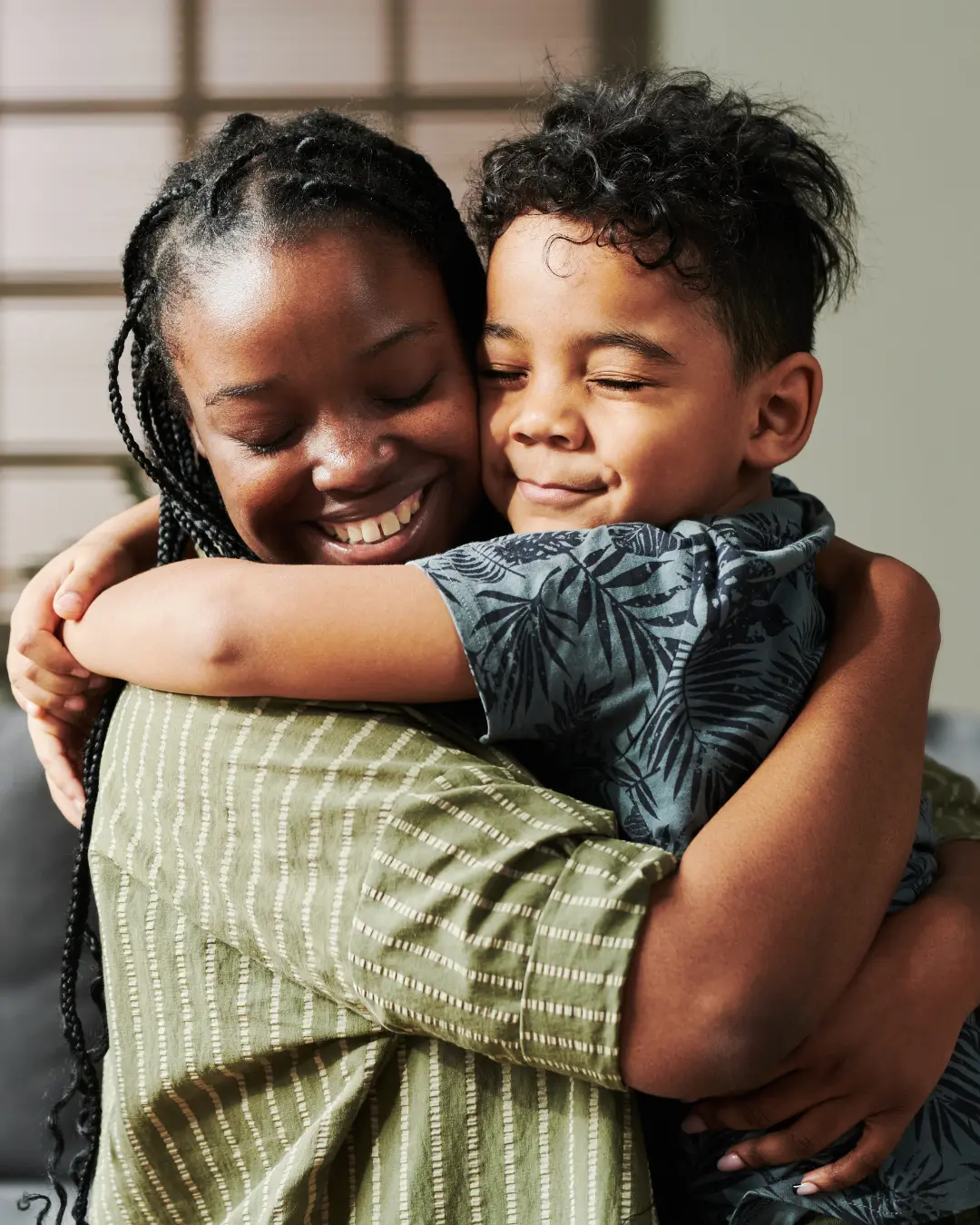
There is something deeply regulating happening beneath the surface. Resistance-based play and deep pressure input (like a tight hug) can support the release of calming neurochemicals like serotonin and dopamine, helping reduce stress responses and support emotional regulation(Bundy et al., 2002; Champagne, 2011; Miller et al., 2007).
These kinds of sensory-rich experiences do more than settle busy bodies; they help restore a child’s internal balance. As neuroscientist Lisa Feldman Barrett (2017) describes, the brain is constantly working to manage a ‘body budget’; predicting and adjusting the energy the body needs to feel safe and regulated. When a child is dysregulated, that budget is often depleted.
Heavy work helps replenish it.
They offer grounding sensory input. It reduces internal chaos. It supports a return to calm. This is why movement-based regulation is often far more effective - and more developmentally appropriate- than asking a child to sit still when their body is asking for something else.
When children show what we call at Phoenix the Will to Fill™: frequent movement, physical seeking, heightened emotional responses, it’s not defiance. It's communication. It's often their way of signaling an unmet need.
By responding with presence and intention, offering heavy work as a form of co-regulation, we meet that need and communication relationally.
When you weave heavy work opportunities into your daily rhythms, you’re strengthening each child’s capacity for emotional regulation, meeting core needs for movement and mastery, and fostering a learning environment where wellbeing, agency, and connection can flourish.
This doesn't require elaborate programs or specialised equipment. Heavy work can live naturally within the rhythm of the day.
Indoors, it might look like kneading dough and mixing thick batters in cooking experiences, pushing scooter boards, crawling through obstacle courses made of cushions and tunnels, modelling clay, or moving through bear crawls or crab walks.
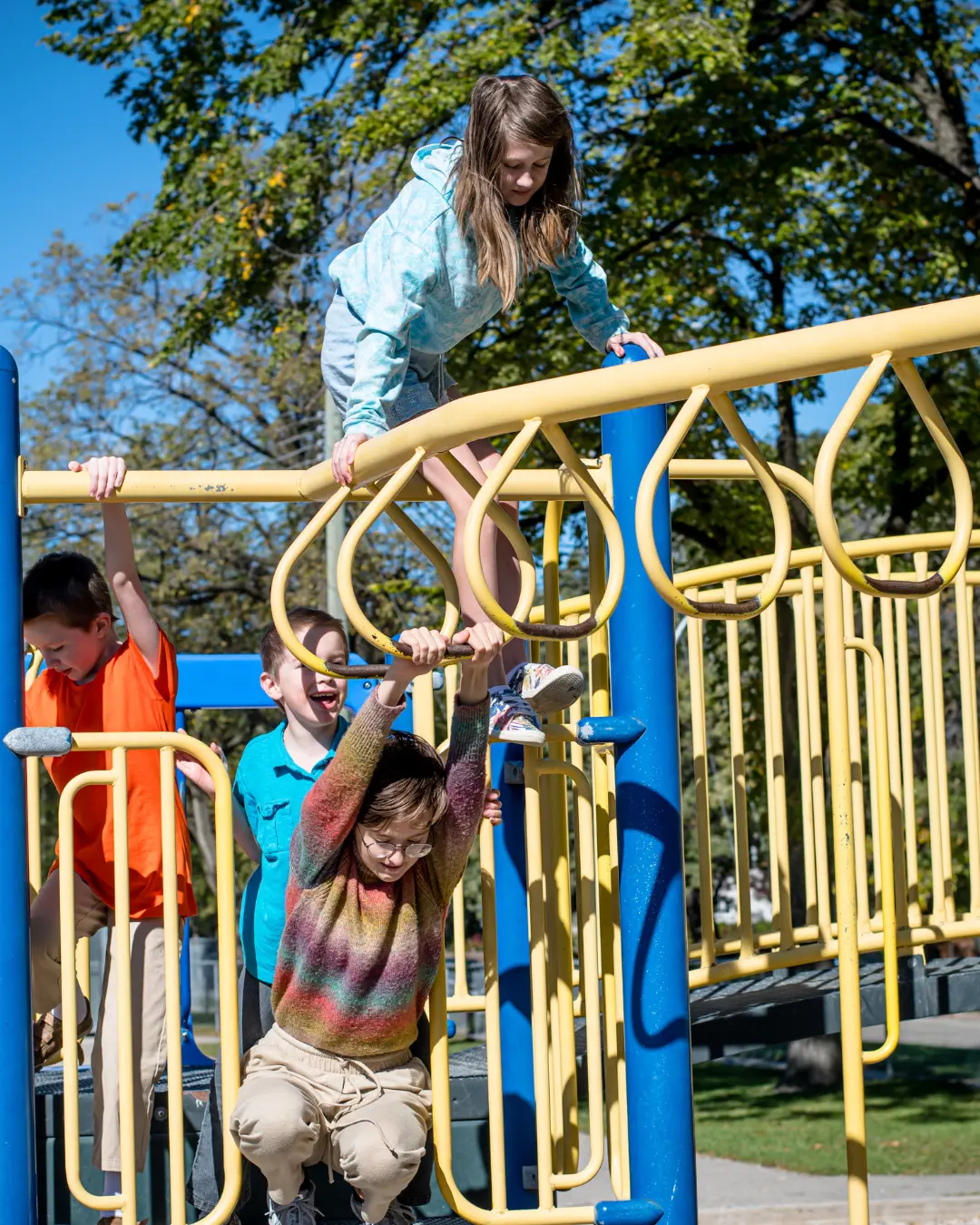
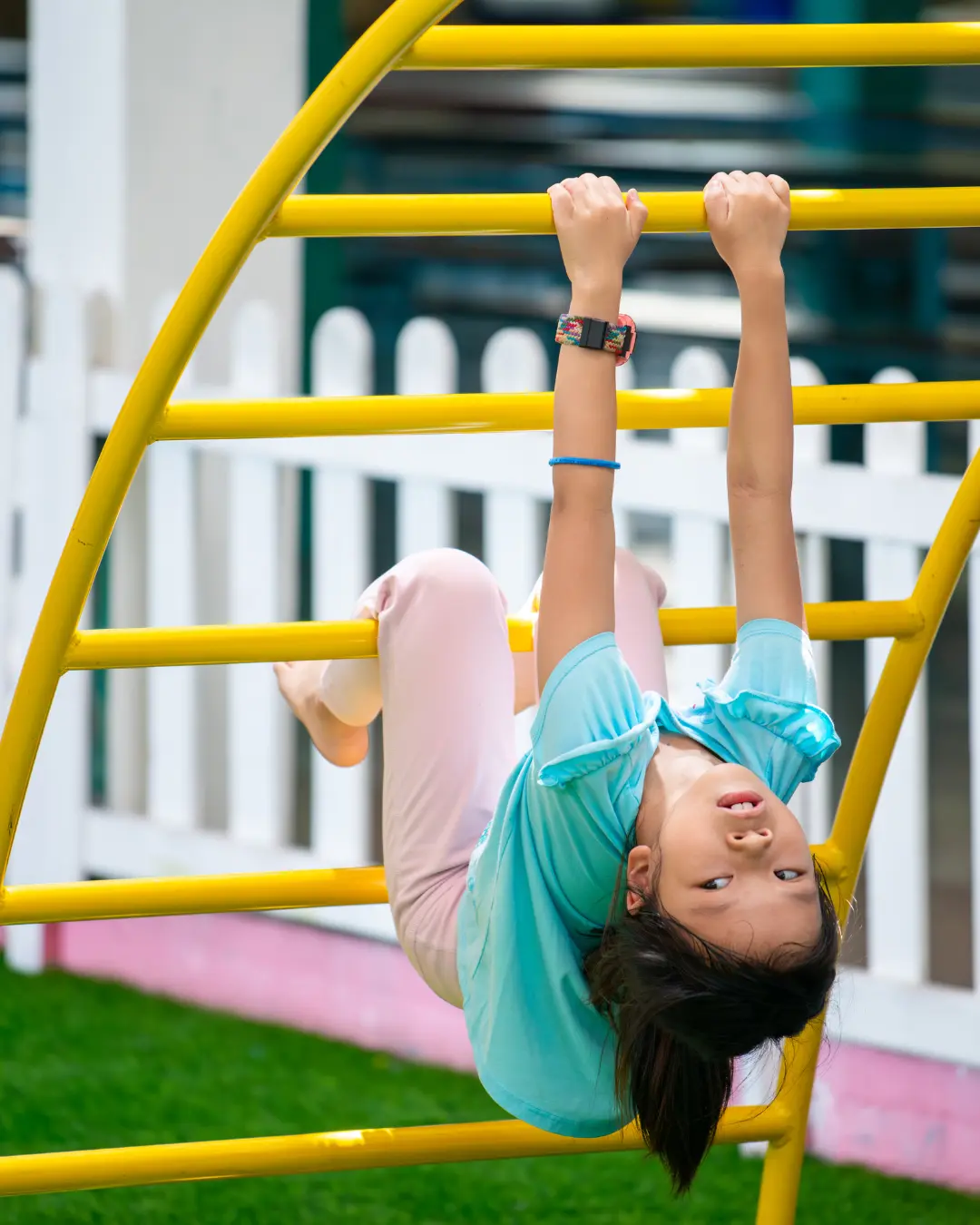
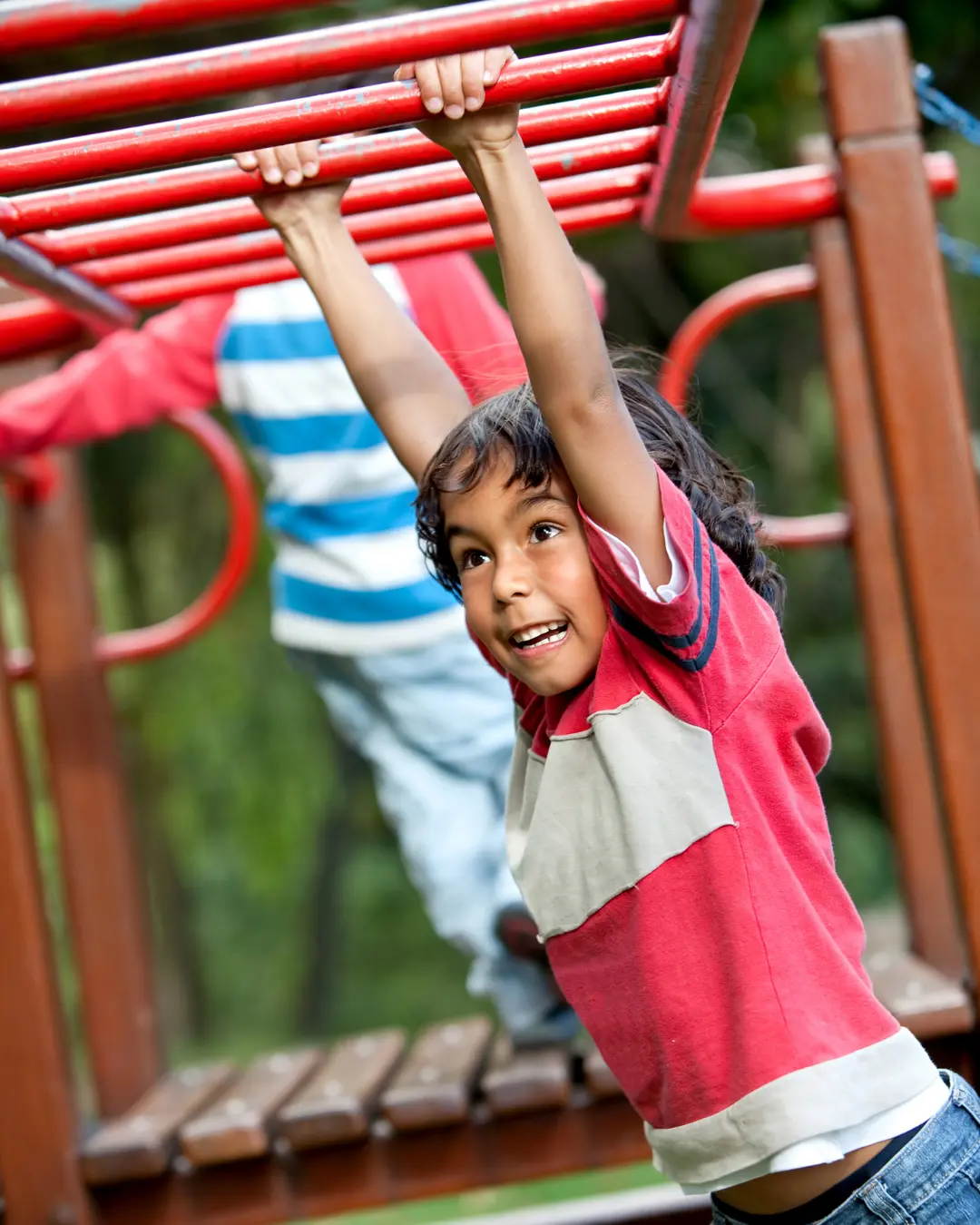
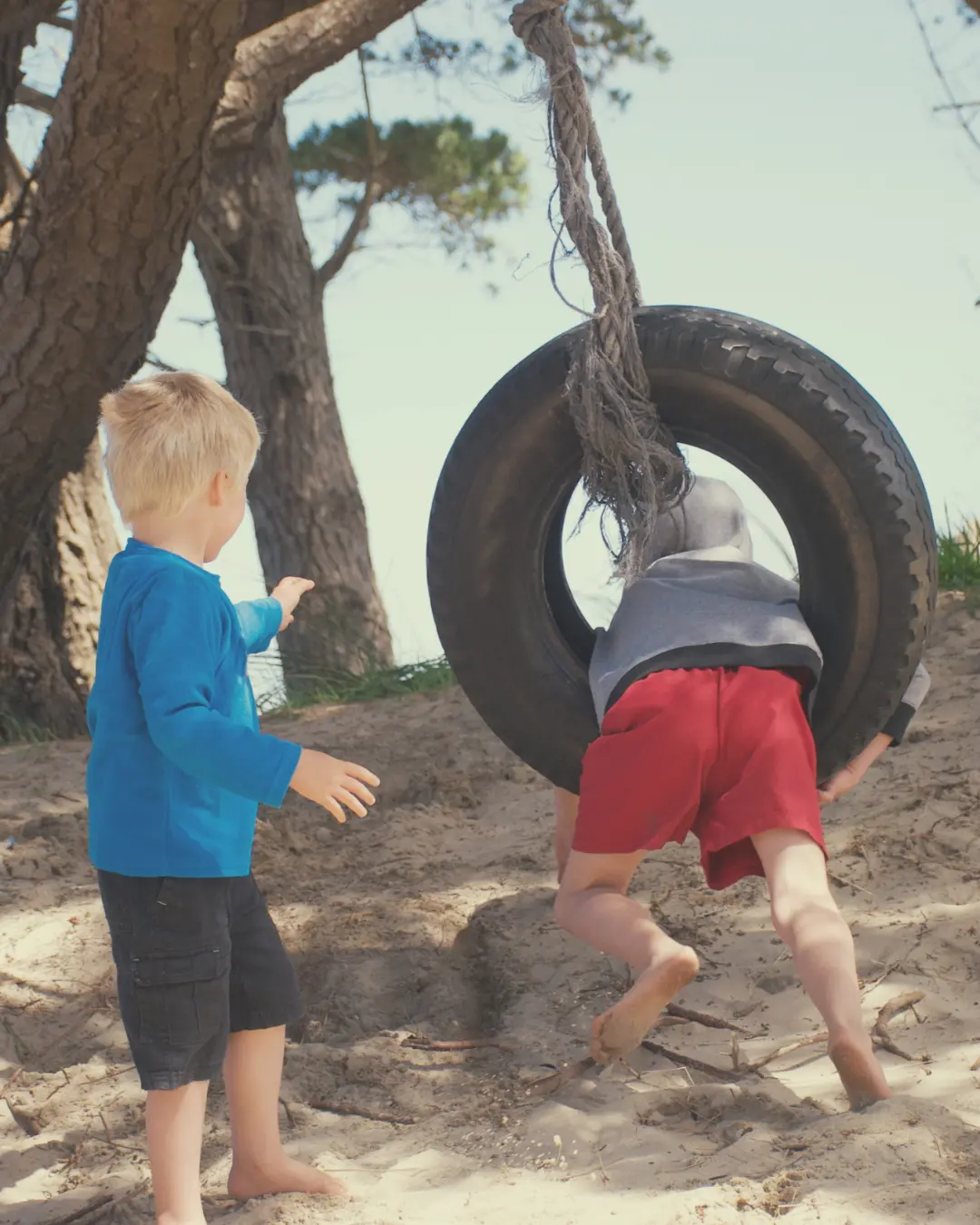
Outdoors, it might emerge through parachute or tarp play, moving tyres or crates, building cubbies or forts with natural loose part, climbing frames and monkey bars, skipping challenges or balancing along slack lines.
Aligned with My Time, Our Place V2.0, these play and leisure experiences support holistic wellbeing, agency, and meaningful participation (AGDE, 2022, p. 12). Also aligned with the Early Years Learning Framework “Children’s growing active physical play promotes strength, coordination and stamina, cooperation and teamwork, confidence, leadership and self-esteem” (ADGE-2, 2022, p.44)
In School Age Care, heavy work remains just as important. Older children and young people navigating academic demands, social complexity and the intensity of school transitions often need physical outlets to regulate their nervous systems.
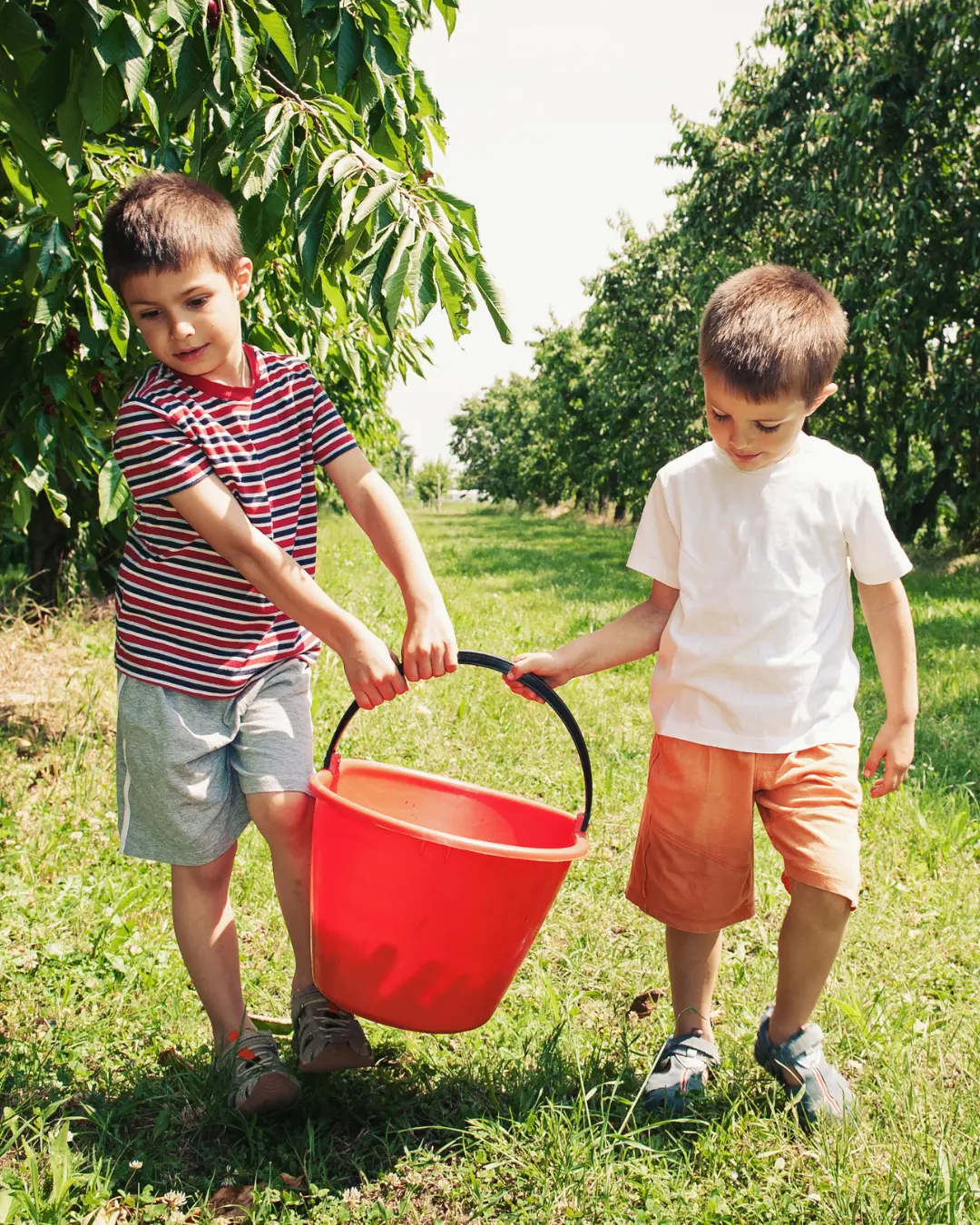
Lifting and relocating crates or milk bottles filled with sand/water.
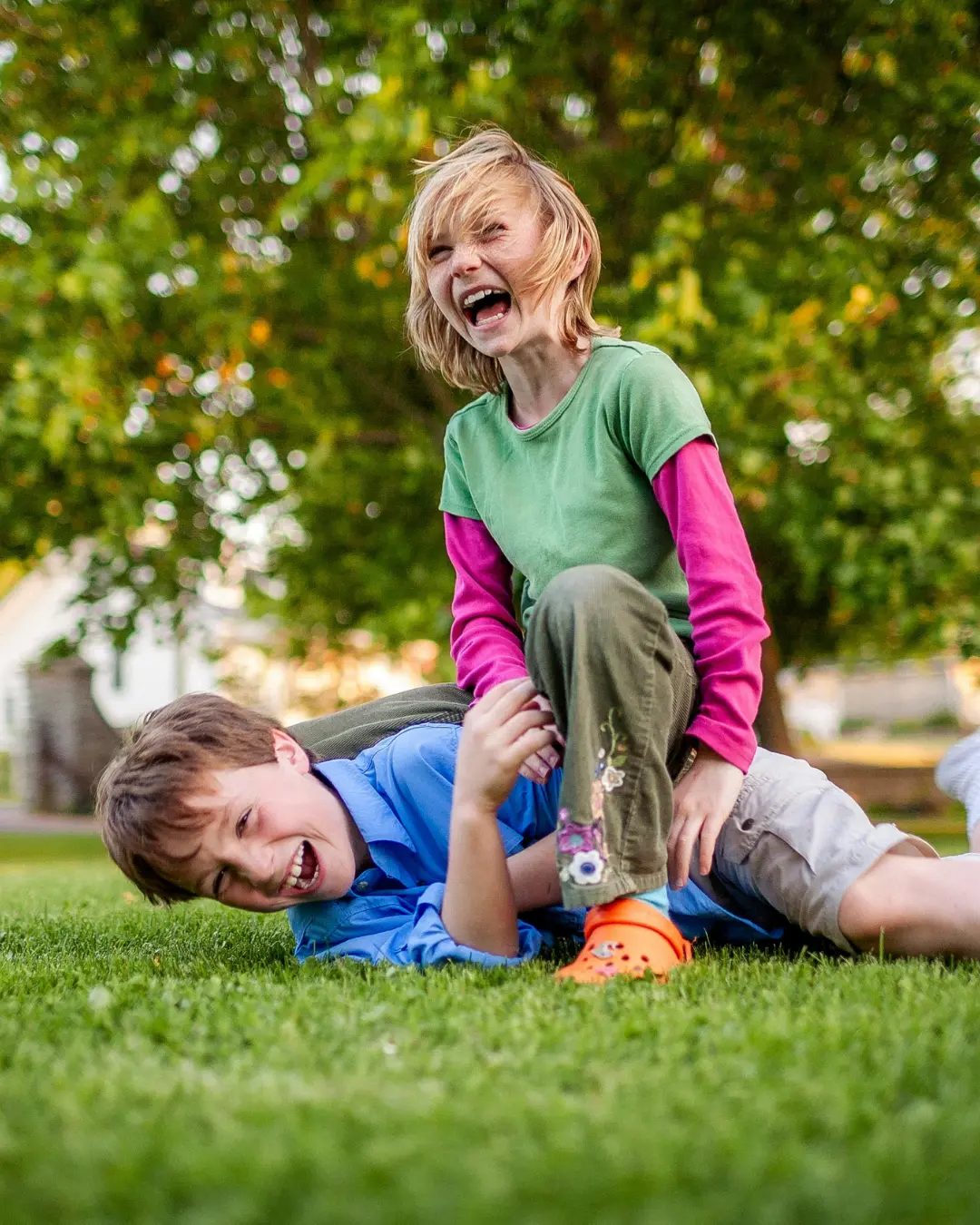
Tug-of-war or resistance band games.
Prompt access to fixed climbing equipment and monkey bars.
Fort-building challenges with large-scale loose parts.
Obstacle courses and team challenges.
Cooking projects that involve mixing thick dough or carrying water jugs
When offered relationally, heavy work becomes more than an activity. It becomes a shared experience of co-regulation.
It's never just about what we offer; it's about how and why we offer it.
Heavy work becomes most powerful when it's held with warmth, curiosity, and responsiveness. When it's embedded into daily rhythms and practice, not as a reward or behaviour management strategy, but as a respectful response to need.
In those moments, we're not managing behaviour.
We're creating safety.
We're supporting regulation.
We're making space for success.
This approach reflects a rights-based lens, aligned with the United Nations Convention on the Rights of the Child (UNCRC, 1989) and the United Nations Declaration on the Rights of Indigenous Peoples (UNDRIP, 2007), and the guiding principles of the National Quality Framework, which position children's rights and best interests as paramount (ACECQA, 2025).
So perhaps the invitation is this:
What if we began to see movement not as a disruption, but as a communication?
What might shift in our relationships, our rhythms, and our programs if we began to see heavy work as a gift - a bridge to regulation, to safety, and to full Cups?
Sometimes, the path to calm doesn't start with stillness.
Sometimes, it starts with pushing, pulling, lifting... and being met exactly where you are.

References
Australian Government Department of Education [AGDE]. (2022). My Time, Our Place: Framework for School Age Care in Australia V2.0.
Australian Government Department of Education [AGDE-2]. (2022). Belonging, Being & Becoming: The Early Years Learning Framework for Australia V2.0.
ACECQA. (2025). Guide to the National Quality Framework. https://www.acecqa.gov.au
Barrett, L. F. (2017). How emotions are made: The secret life of the brain. Houghton Mifflin Harcourt.
Bundy, A., Lane, S., & Murray, E. A. (2002). Sensory Integration: Theory and Practice (2nd ed.). F.A. Davis.
Champagne, T. (2011). Sensory modulation and environment: Essential elements of occupation (3rd ed.). Pearson Australia.
Phoenix, S & Phoenix, C. (2019). The Phoenix Cups: A Cup-Filling Framework for Wellbeing.
Miller, L. J., Nielsen, D. M., Schoen, S. A., & Brett-Green, B. A. (2009). Perspectives on sensory processing disorder: A call for translational research. Frontiers in Integrative Neuroscience, 3, 22. https://doi.org/10.3389/neuro.07.022.2009
United Nations. (1989). Convention on the Rights of the Child. https://www.ohchr.org/en/instruments-mechanisms/instruments/convention-rights-child
United Nations. (2007). United Nations Declaration on the Rights of Indigenous Peoples. https://www.un.org/development/desa/indigenouspeoples/declaration-on-the-rights-of-indigenous-peoples.html
Author: Annette Johnson