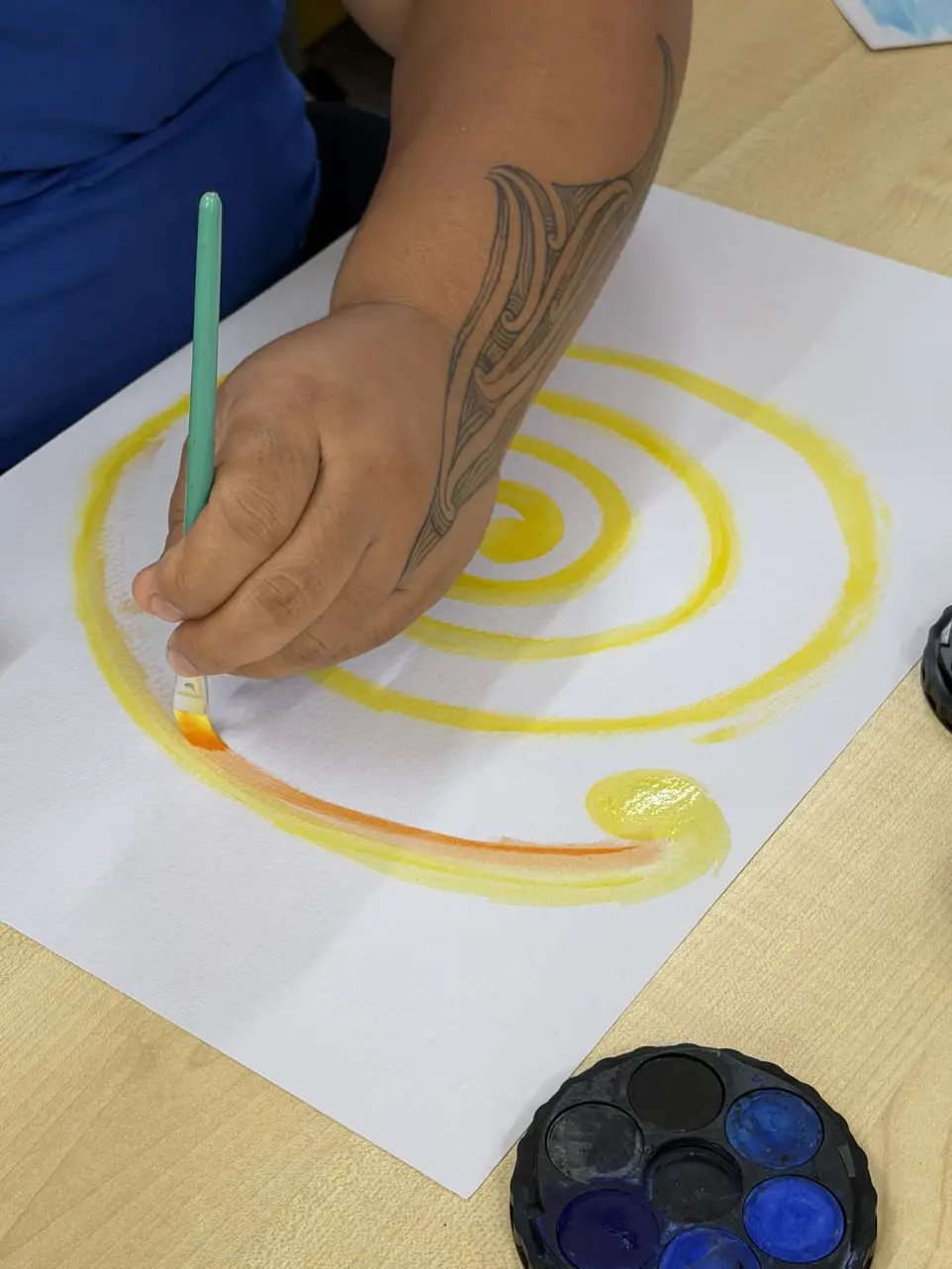
An Environment I Can Become In invites educators to intentionally design learning environments where STEAM emerges through children’s curiosity, hands-on exploration, and real-world problem-solving. Rather than positioning STEAM as a set of subjects, this workshop reframes it as a way of thinking, exploring, and becoming.
Educators will explore how thoughtfully curated environments create the conditions for children to become thinkers, builders, designers, investigators and innovators. Through play-based inquiry, children naturally engage in scientific reasoning, mathematical thinking, creative expression and engineering processes as they test ideas, solve problems and make meaning.
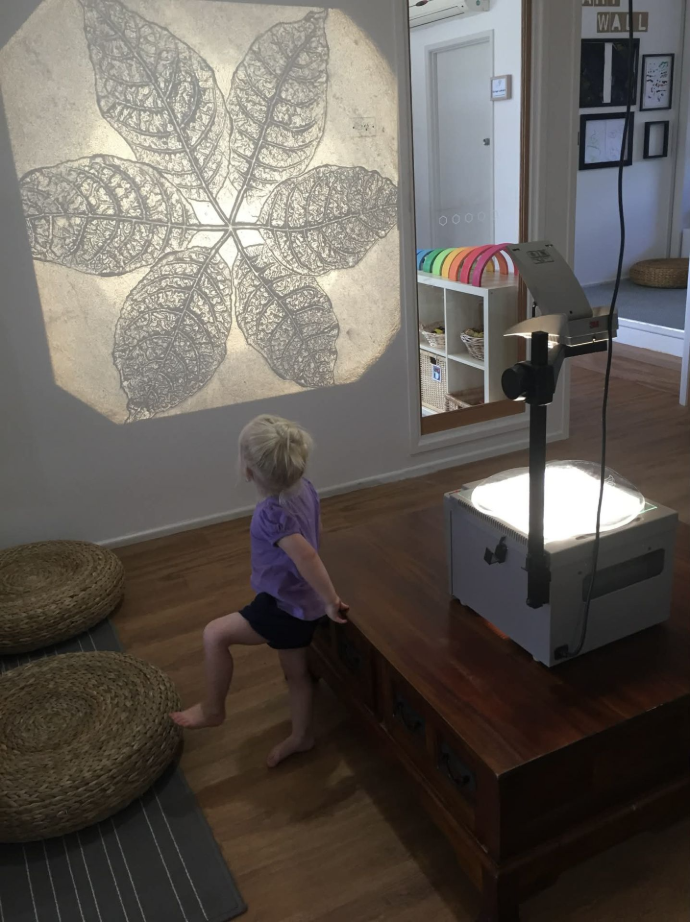
Technology is explored beyond the digital, inviting educators to consider it as tools, materials, systems and processes that support design and innovation. From construction and engineering to experimentation and creative problem-solving, participants will reimagine how technology lives within everyday play experiences.
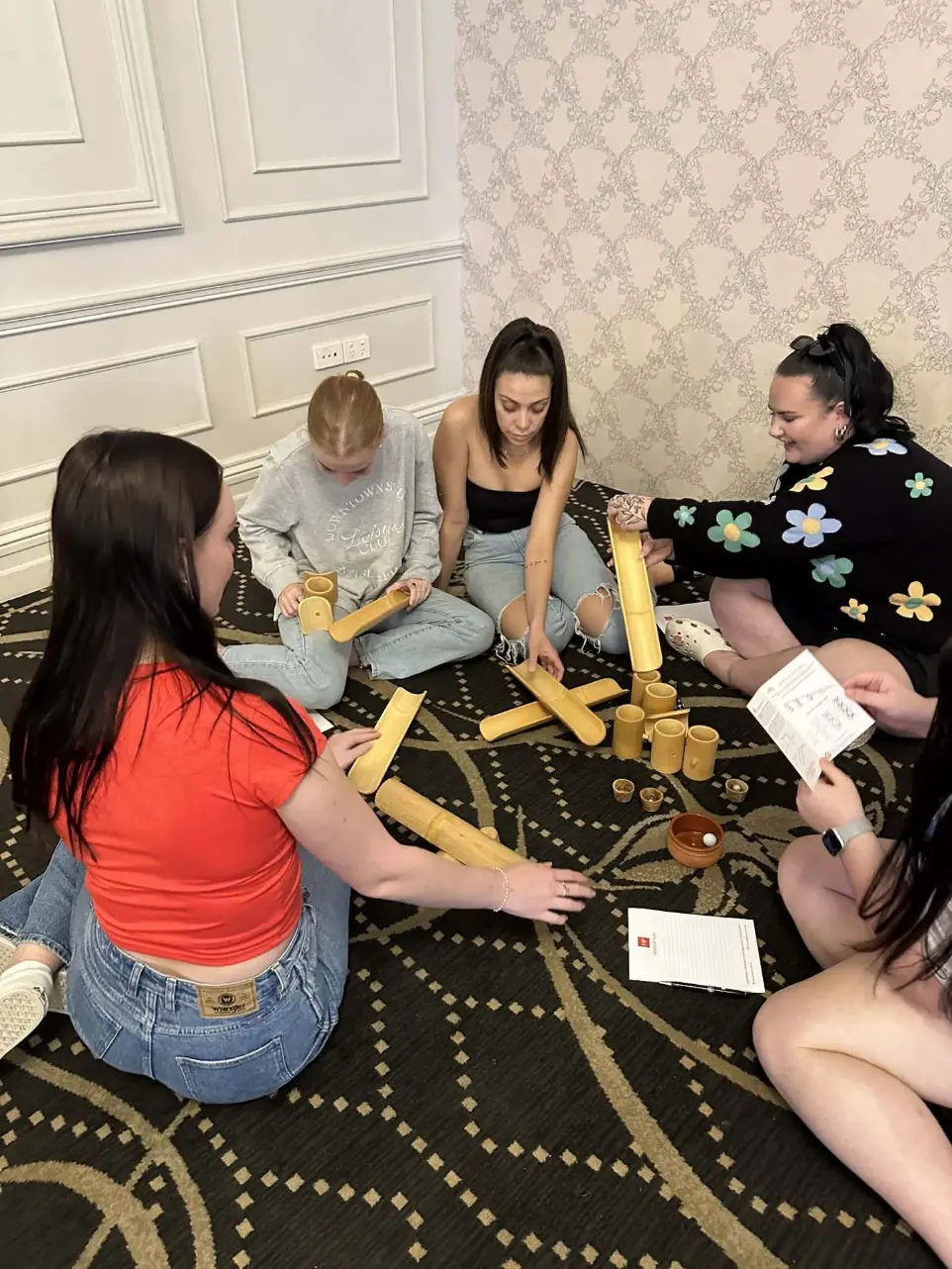
Across the workshop, participants will engage in immersive, hands-on experiences, authentic examples and reflective dialogue. Educators will leave with practical strategies to strengthen intentional decision-making, deepen inquiry, and design environments where children’s discovery, agency and thinking can truly flourish.
We will
- Explore how STEAM-rich environments nurture children’s agency, curiosity, problem-solving and deep engagement in play-based inquiry.
- Examine how technology can be meaningfully offered through tools, materials, systems and design processes.
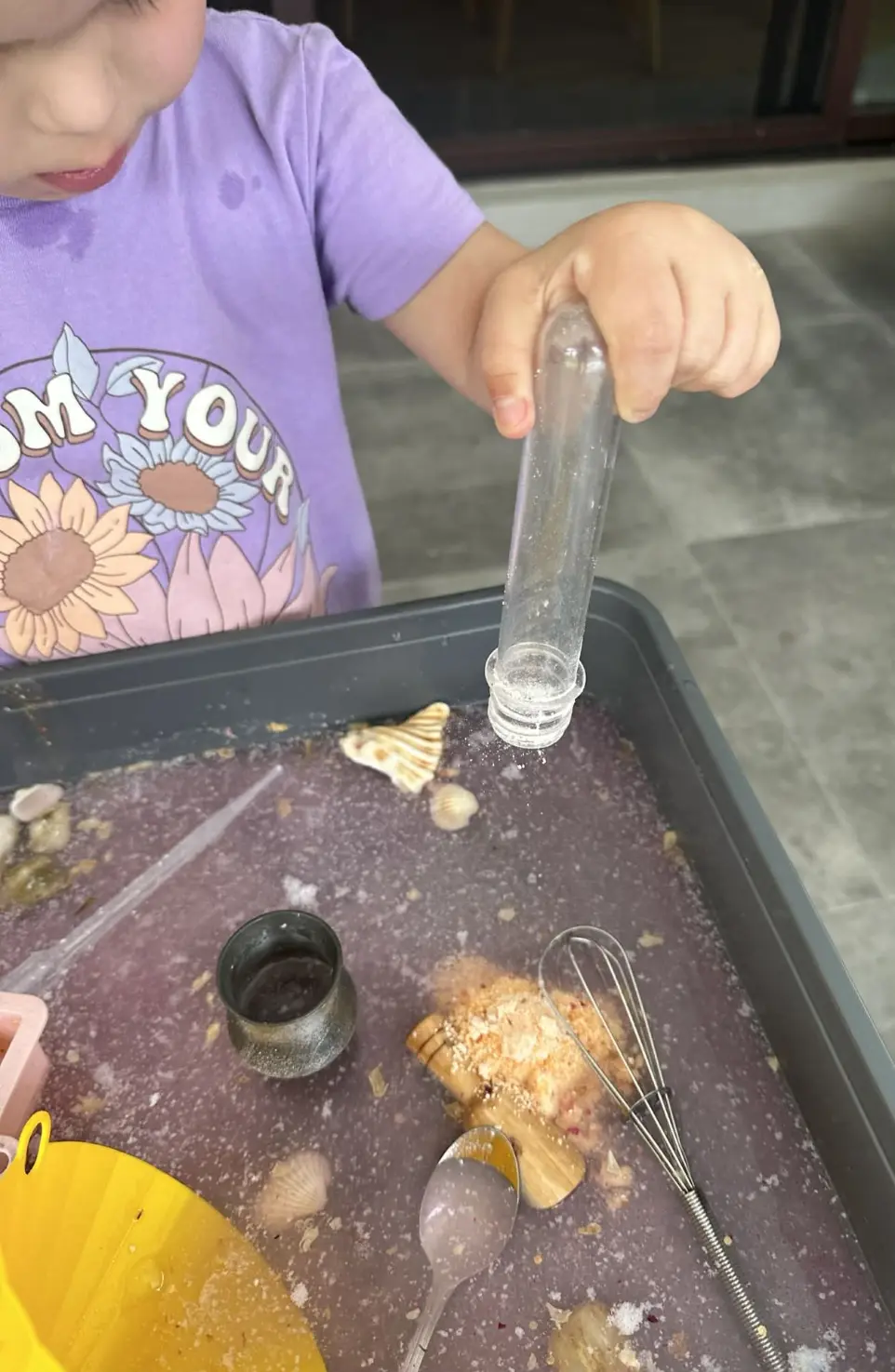
- Investigate how invitations, provocations and loose parts experiences can support children to test theories, refine ideas and persist through challenge.
- Engage in guided critical reflection to evaluate current environments and develop an intentional plan for embedding STEAM in your context.
Participant Outcomes
- A deeper understanding of how STEAM learning emerges through discovery, agency and hands-on exploration within play-based environments.
- Practical strategies to design open-ended, inclusive STEAM invitations that respond to children’s strengths, interests and ways of knowing.
- Increased confidence in offering technology through tools, materials, engineering and design processes that support planning, testing and refining ideas.
- A reflective toolkit to collaborate with colleagues and children to evolve environments aligned with philosophy, the EYLF and meaningful learning outcomes.
Theoretical Underpinnings
Constructivist Theory – Jean Piaget
Children construct knowledge through active exploration. By manipulating materials, identifying patterns and revising their thinking, children build deep understanding through experience. This workshop applies these principles to STEAM environments grounded in doing, testing and rethinking.
Loose Parts Theory – Simon Nicholson
Open-ended materials invite creativity, flexibility and possibility. Loose parts become the foundation for STEAM thinking, enabling children to design, engineer, represent and investigate through hands-on, self-directed exploration.
Flow Theory – Mihaly Csikszentmihalyi
Deep engagement (flow) supports intrinsic motivation, sustained attention and meaningful learning. Educators will explore how time, space and intentional decisions can protect uninterrupted play and support children to remain immersed in the work of discovery.
Sociocultural Theory – Lev Vygotsky
Learning is shaped through relationships, language and shared experiences. Educators play a vital role in scaffolding thinking, extending inquiry and co-constructing knowledge alongside children within meaningful social contexts.
Ignite a love for STEAM by creating environments that invite exploration, inquiry and critical thinking. When spaces are intentionally designed, scientific discovery and creative expression sit side by side, supporting a holistic approach to learning.
This workshop offers practical, actionable strategies that educators can immediately bring into their practice, building confidence to design environments where both children and educators can think deeply, experiment freely, and flourish.